America's Rotating Scapegoat: The Century-Old Tradition of Sacrificing Cities for Political Theater
Every generation of American politicians requires the same prop: a single city that can absorb the accumulated frustrations of an entire political movement. The specific metropolis changes with the decades, but the function remains constant. One urban center must serve as the convenient symbol of everything that has supposedly gone wrong with liberal governance, moral standards, or economic priorities.
The pattern stretches back to the republic's earliest decades, when politicians discovered that complex policy failures could be simplified into vivid urban imagery. A city offers everything a political narrative requires: concentrated populations, visible problems, and enough geographic distance from most voters to permit comfortable moral judgments.
The Mechanics of Urban Vilification
The selection process follows predictable stages. First, a city experiences genuine problems—economic decline, social unrest, or governance failures that provide authentic material for criticism. Second, these specific issues become generalized into broader indictments of political philosophy. Third, the city transforms from a place experiencing difficulties into a symbol of ideological bankruptcy.
New York City pioneered this role in the nineteenth century, when Tammany Hall's corruption became shorthand for everything wrong with urban Democratic machines. The specific scandals mattered less than the narrative convenience of having Boss Tweed's political operation represent the dangers of immigrant political participation and big-city governance.
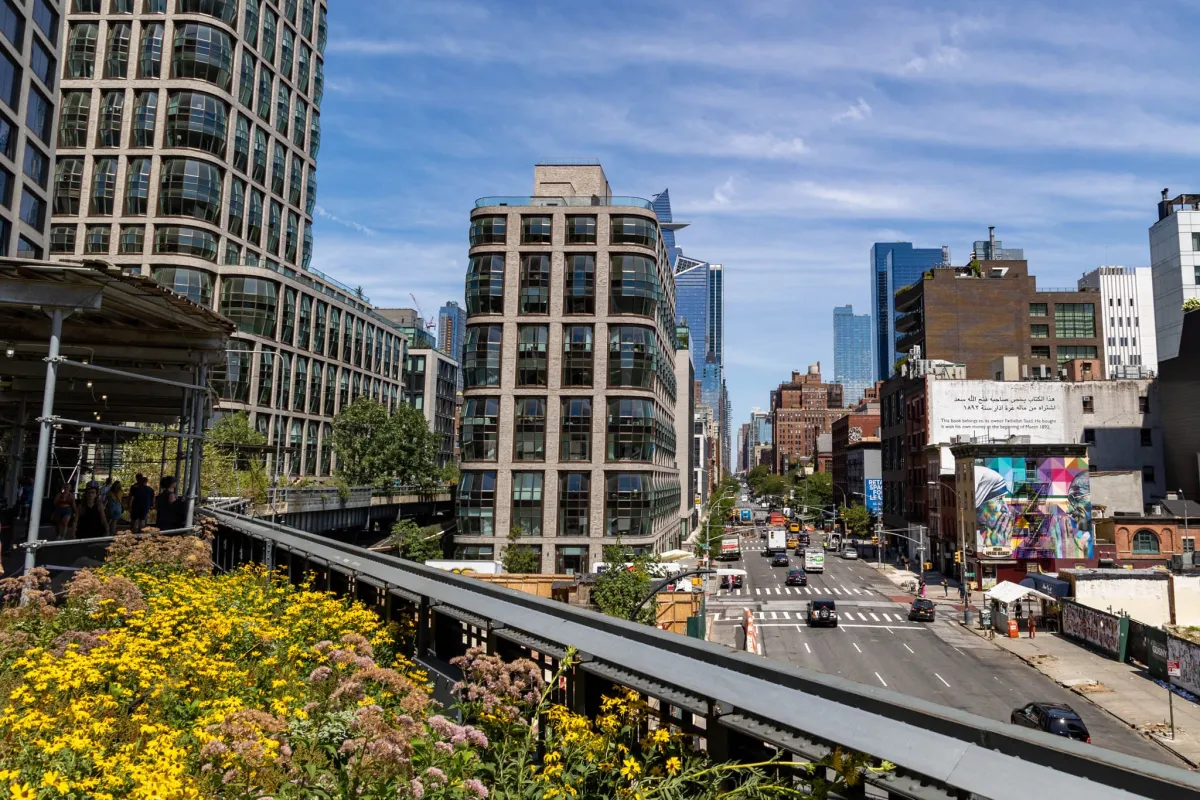 Photo: New York City, via www.nothingfamiliar.com
Detroit inherited the mantle during the mid-twentieth century, when deindustrialization and white flight created visible urban decay that could be attributed to liberal social policies rather than broader economic forces. The city's actual residents became supporting characters in a national morality play about the consequences of welfare spending and civil rights activism.
San Francisco's Contemporary Performance
Today's designated scapegoat city wears the crown with characteristic California flair. San Francisco has become the perfect vessel for contemporary conservative anxieties about technology, inequality, and cultural change. The city's homeless population, progressive prosecutors, and tech wealth inequality provide ready-made visuals for broader arguments about Democratic governance.
 Photo: San Francisco, via www.bdlaw.com
The irony, as with previous iterations, lies in the mismatch between symbol and reality. San Francisco's problems stem largely from economic success rather than policy failure—the same market dynamics that create wealth also drive housing costs and displacement. But this complexity disappears when the city serves as a convenient metaphor for liberal excess.
What makes the pattern historically consistent is not the accuracy of the diagnosis, but the psychological satisfaction of having a single location embody complex anxieties. Human nature prefers concrete villains to abstract forces, and cities provide the necessary specificity for effective political storytelling.
The Retirement Process
Eventually, each scapegoat city outlives its usefulness. New York shed its villain status when crime declined and the economy recovered. Detroit's problems became too obviously structural to blame entirely on liberal policies. The transition typically occurs when the narrative becomes inconvenient or when new anxieties require fresh symbols.
The retirement process reveals the artificiality of the original selection. If these cities truly represented fundamental flaws in political philosophy, their recovery would be impossible without ideological transformation. Instead, they improve through the same mundane processes that affect all urban areas: economic cycles, demographic changes, and incremental policy adjustments.
Ancient Patterns in Modern Politics
This phenomenon echoes patterns that predate American democracy. Ancient civilizations regularly identified specific locations as sources of moral contamination or political corruption. Rome blamed its problems on Greek influence, while Greek city-states found convenient scapegoats in their commercial rivals.
The underlying psychology remains unchanged: complex social problems become manageable when concentrated into specific geographic locations. This allows political movements to maintain coherent narratives while avoiding the messy realities of governing diverse populations with competing interests.
The Next Candidate
Predicting the next scapegoat city requires identifying emerging anxieties that need geographic focus. Climate change, automation, and demographic transformation will likely drive future selections. The chosen location will need visible problems that can plausibly represent broader ideological failures, regardless of actual causation.
The pattern will continue because it serves essential political functions. Voters prefer simple explanations to complex analyses, and politicians benefit from having convenient symbols for abstract policy debates. Cities, with their concentrated problems and distant locations, will continue providing the necessary raw material for national morality plays.
The real tragedy is not the unfairness to the designated cities, which usually recover their reputations eventually. The damage falls on the democratic process itself, which loses opportunities for genuine policy learning when complex urban challenges become simplified political theater. Human psychology demands villains, but effective governance requires understanding the actual forces that shape urban outcomes.