The Reformer's Eternal Frustration
For two centuries, American political reformers have followed the same script: identify obvious flaws in democratic institutions, propose reasonable solutions, watch those solutions languish in committee for years or decades, then observe the entire reform agenda pass in a matter of weeks after the system finally breaks in exactly the way the reformers predicted.
This pattern isn't accidental incompetence—it's the operating logic of American democracy. The system isn't designed to implement reforms before they become necessary. It's designed to implement them fast enough to prevent total collapse after they become unavoidable.
Understanding this distinction explains why American democratic evolution follows such a consistent pattern of crisis, panic, and hasty institutional reconstruction.
The Corruption That Required Garfield's Death
The spoils system dominated American federal employment for decades while reformers warned that political patronage was corrupting democratic governance. Civil service reform bills died in Congress session after session, dismissed as impractical idealism by politicians who understood that patronage jobs were the currency of political coalition-building.
Then Charles Guiteau assassinated President James Garfield in 1881, explicitly citing his disappointment over not receiving a political appointment. Within two years, Congress passed the Pendleton Civil Service Act, creating the merit-based federal employment system that reformers had been advocating since the 1860s.
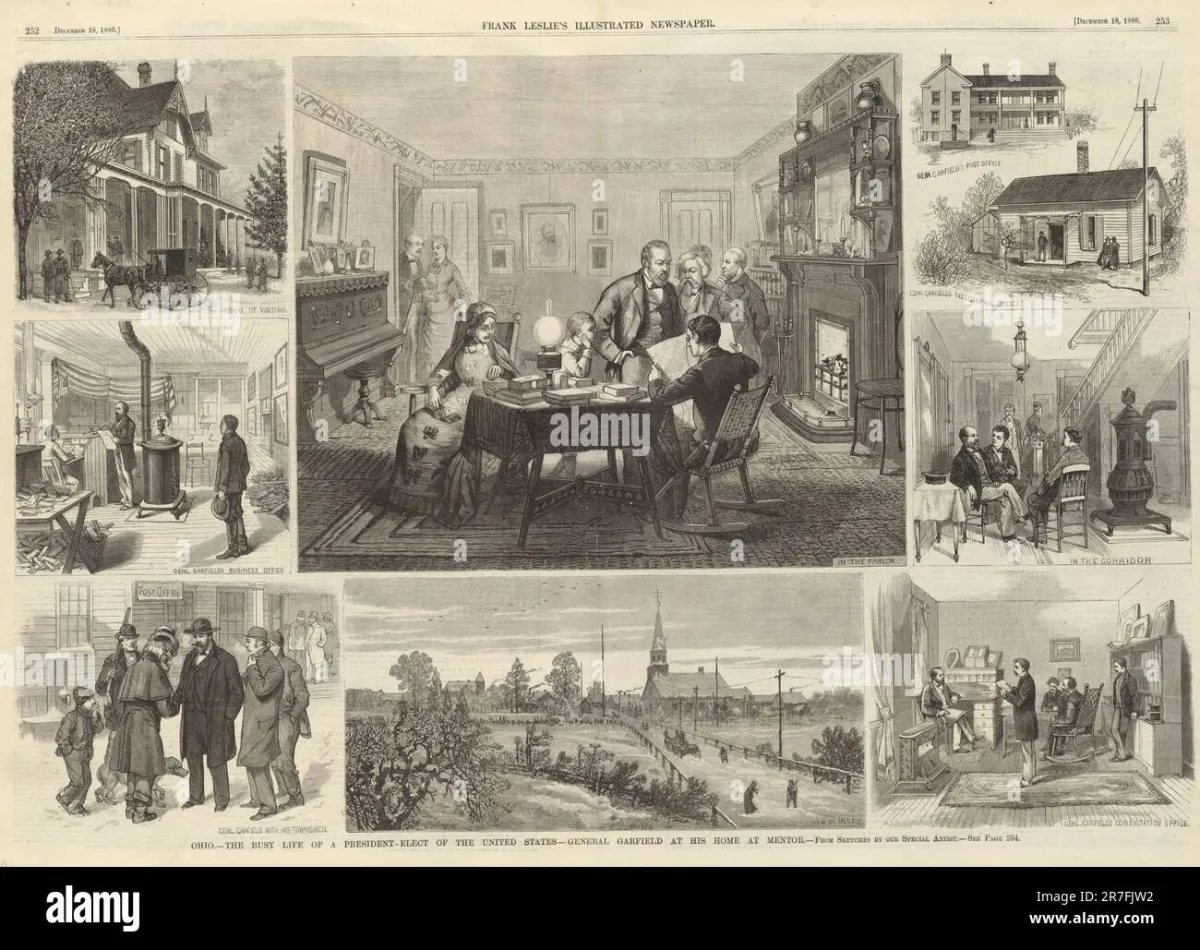 Photo: James Garfield, via c8.alamy.com
Garfield's assassination didn't create new arguments for civil service reform—it made the existing arguments impossible to ignore. The crisis didn't produce better policy analysis; it produced political conditions under which policy analysis could finally influence legislation.
The Senate That Reformed Itself Under Threat
The direct election of U.S. senators represents perhaps the clearest example of reform-through-catastrophe in American constitutional history. For decades, progressives argued that state legislative appointment of senators created opportunities for corruption, reduced democratic accountability, and produced legislative deadlocks when state governments couldn't agree on appointments.
These arguments were intellectually persuasive and politically irrelevant. Sitting senators had no incentive to support a constitutional amendment that would make their own reelection more difficult and uncertain.
But by the early 1900s, multiple state legislatures had become so paralyzed by senatorial selection fights that they couldn't conduct other business. Delaware went four years without any Senate representation. The system wasn't just corrupt—it was breaking down completely.
The Seventeenth Amendment passed in 1912 not because senators suddenly embraced democratic theory but because the alternative was watching the Senate become an institution that couldn't maintain its own membership.
Watergate and the Ethics Industry
Congressional ethics oversight provides a textbook case of how American institutions respond to scandal rather than preventing it. For decades before Watergate, political scientists and government watchdog groups warned that Congress lacked adequate mechanisms for investigating and disciplining ethical violations by its own members.
These warnings generated academic conferences and think tank reports but no legislative action. Congress showed little interest in creating institutions designed to investigate congressmen.
Watergate changed the political calculus overnight. The same legislators who had ignored ethics reform for years suddenly competed to sponsor the most comprehensive oversight mechanisms. The Ethics in Government Act of 1978 created independent counsels, financial disclosure requirements, and conflict-of-interest restrictions that went far beyond anything reformers had proposed before the crisis.
The legislation wasn't better because the crisis improved policy analysis—it was more comprehensive because political survival required legislators to demonstrate they were taking ethics more seriously than the disgraced Nixon administration.
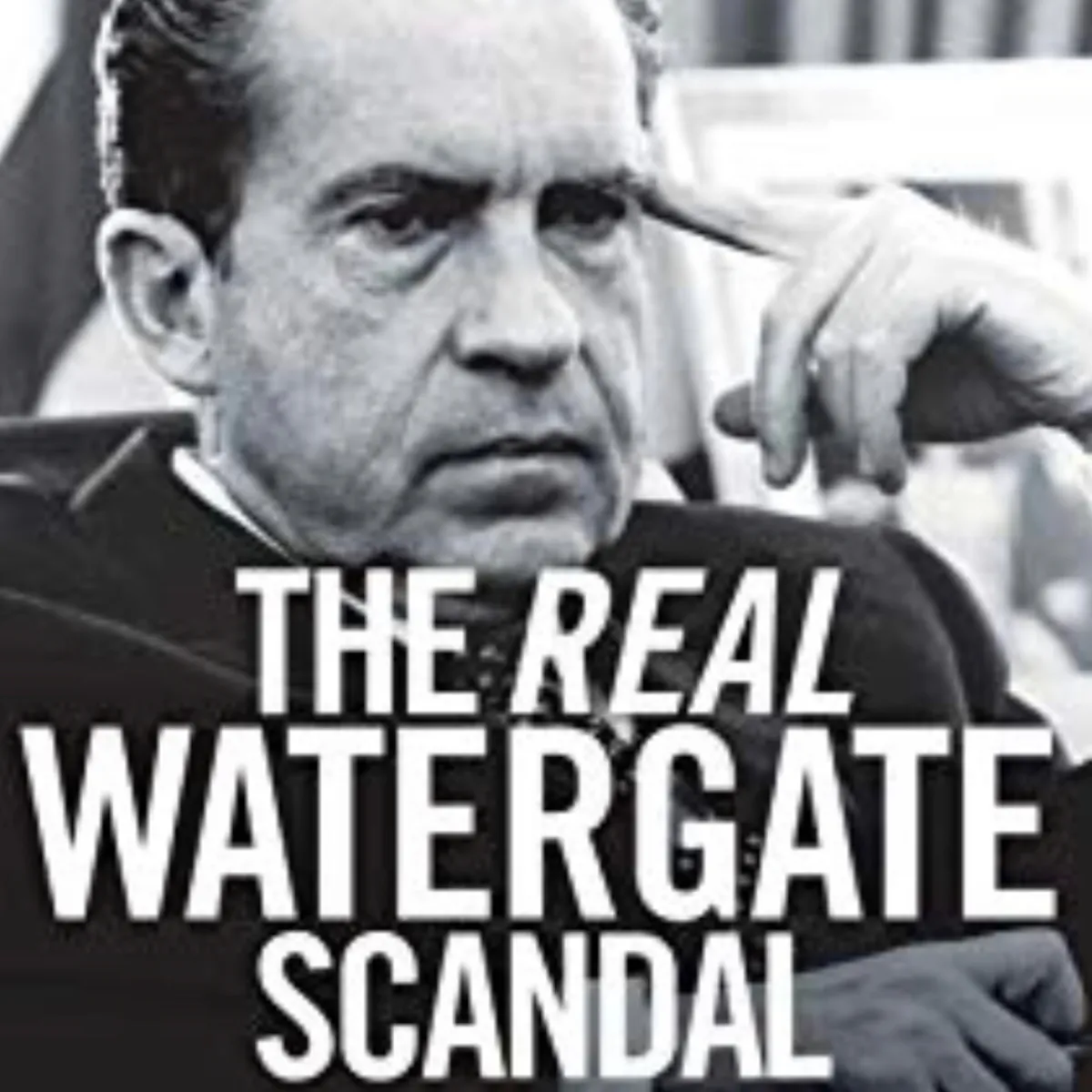 Photo: Richard Nixon, via d3t3ozftmdmh3i.cloudfront.net
Campaign Finance and the Appearance of Corruption
Campaign finance reform follows an identical pattern across multiple decades and multiple scandals. Each major reform wave—1974, 2002, 2010—arrived in direct response to specific scandals that made existing regulatory frameworks appear inadequate.
The Federal Election Campaign Act amendments of 1974 responded to Watergate-era revelations about illegal corporate contributions and secret slush funds. The McCain-Feingold Act of 2002 responded to soft money scandals that had dominated 1990s politics. Citizens United v. FEC in 2010 responded to concerns about corporate influence that had been building since the 1990s.
In each case, reformers had been making similar arguments for years before the precipitating scandal. The crisis didn't create new policy ideas—it created political conditions under which existing policy ideas could overcome institutional resistance to change.
The Institutional Logic of Crisis-Driven Reform
This pattern reveals something fundamental about how American democratic institutions actually operate. The system isn't designed to identify and fix problems before they become crises—it's designed to respond rapidly and comprehensively when crises occur.
This approach makes sense given the political incentives that govern democratic decision-making. Politicians face immediate electoral consequences for supporting reforms that impose costs on current constituencies, but they face delayed electoral consequences for failing to prevent future crises.
The rational political strategy is to avoid costly reforms until the costs of not reforming exceed the costs of reform. This calculation changes dramatically when institutional breakdown becomes visible to voters.
The Founder's Original Design
The Founders understood this dynamic and built it into the constitutional framework. The amendment process requires supermajorities precisely because it's designed to prevent hasty changes while ensuring that truly necessary changes can occur when circumstances demand them.
The same logic applies to other institutional features: impeachment requires high bars for removal but provides mechanisms for removal when those bars are met; the federal system allows for policy experimentation at the state level while providing mechanisms for national action when state-level solutions prove inadequate.
The Reformer's Paradox
This creates a paradox for would-be reformers: the most effective way to achieve reform may be to wait for the crisis that makes reform unavoidable rather than trying to prevent the crisis through preemptive reform.
But this strategy requires accepting that some institutional breakdowns are necessary features of American democracy rather than failures to be prevented. The system learns through crisis because crisis is the only teacher powerful enough to overcome the political incentives that normally prevent institutional change.
The Modern Acceleration Problem
Contemporary American politics may be testing the limits of crisis-driven reform. The speed of modern communication and the complexity of modern institutions mean that crises can develop faster than the traditional reform process can respond.
Social media scandals, cybersecurity breaches, and financial market disruptions can unfold in days or hours rather than the months or years that traditional political scandals required. This acceleration may require new approaches to institutional adaptation that don't rely entirely on post-crisis reconstruction.
Democracy's Survival Mechanism
Ultimately, crisis-driven reform may be less a flaw in American democracy than its primary survival mechanism. The system's ability to absorb shocks and reconstruct itself after breakdown may be more important than its ability to prevent breakdown in the first place.
This perspective suggests that the recurring cycle of crisis and reform isn't a sign that American democracy is failing—it's evidence that American democracy is working exactly as designed, learning through experience rather than theory, adapting through necessity rather than foresight.
The reformers who spend decades warning about impending crises aren't failing when their warnings are ignored—they're preparing the intellectual groundwork for the rapid institutional reconstruction that will follow the inevitable breakdown. In American democracy, the prophet is always vindicated, but only after the disaster they predicted has already occurred.