The Debasement Was Never the Scandal. The Timing of the Denial Was.
The Debasement Was Never the Scandal. The Timing of the Denial Was.
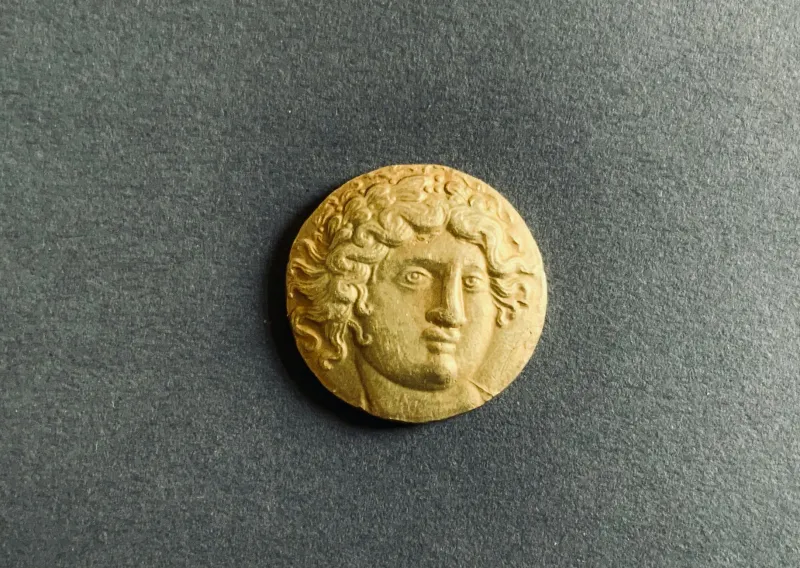
Sometime in the third century, Roman silversmiths working under imperial contract began doing something that their predecessors would have considered professional disgrace: they reduced the silver content of the denarius with such systematic thoroughness that coins nominally called silver contained, by the reign of Gallienus, as little as two percent of the metal. The process was not secret. Merchants could weigh the coins. Soldiers noticed when their pay bought less. Landlords adjusted rents accordingly.
What is remarkable is not that the debasement happened. What is remarkable is how long the empire sustained the fiction that it had not — and how thoroughly it managed, during that interval, to redirect popular anger toward grain speculators, foreign traders, and the eternal convenience of Jewish merchants rather than toward the treasury that had engineered the problem.
The Roman state did not invent this performance. It simply ran a very long engagement.
The Mechanics Are Boring. The Theater Is Not.
Monetary debasement is, at its technical core, a form of taxation without a vote. When a government reduces the purchasing power of its currency — whether by shaving coins, printing paper, or purchasing its own debt — it transfers real value from currency holders to itself. The mechanism is impersonal and abstract, which is precisely why it has always been politically preferable to direct taxation, which is personal and legible.
But the abstraction creates a secondary problem: the effects arrive visibly in the form of rising prices, and rising prices require an explanation. Rulers have always understood, with the instinct that precedes formal economic theory by millennia, that the explanation offered in the first weeks of visible inflation is the one that sticks. If the state can establish the narrative — foreign disruption, merchant greed, drought, speculation — before the public develops its own account, it can frequently sustain that narrative well past the point where the evidence supports it.
This is not a conspiracy. It is psychology. Human beings confronted with a diffuse, structural harm naturally search for a proximate, personal cause. The merchant raising prices is visible. The monetary policy that made raising prices rational is invisible. The ruler who points at the merchant is performing a service the public genuinely wants.
Weimar and the Misremembered Lesson
The Weimar hyperinflation of 1921 to 1923 is the reference point that dominates modern monetary anxiety, particularly in the United States, where it functions as a kind of secular eschatology — the ultimate destination of fiscal irresponsibility. The lesson drawn from it is almost always about printing presses. The more important lesson is about the political theater that accompanied them.
The German government's decision to fund reparations obligations and domestic spending through money creation was not made in ignorance of the consequences. Several of its architects understood the mechanism well enough. What they understood equally well was that the alternative — direct taxation of industrial and landed wealth — was politically impossible given the power of those interests in the early republic. Inflation was chosen, in part, because its costs were distributed invisibly and its causes could be attributed, with some initial plausibility, to the punitive terms of Versailles and the predatory behavior of foreign creditors.
The attribution held long enough to matter politically. By the time the hyperinflation became undeniable, the narrative infrastructure blaming external enemies and internal speculators was already load-bearing. The consequences of that narrative — who it pointed at, what it licensed — are among the most catastrophic in modern history.
The debasement was not the scandal. The denial, and what it required, was.
Quantitative Easing and the Sophistication of Modern Misdirection
Modern central banking has refined the performance considerably. The Federal Reserve's quantitative easing programs, initiated in 2008 and expanded dramatically in 2020, involved the purchase of trillions of dollars in assets — a process that expanded the monetary base in ways that earlier generations of economists would have predicted would produce immediate inflation. When inflation arrived, significantly delayed by the deflationary pressures of the post-2008 economy, the institutional and political response followed a pattern that would have been recognizable to any Roman treasury official.
The initial explanations emphasized supply chain disruption — a real phenomenon, genuinely contributing to price increases, and conveniently impossible for ordinary consumers to evaluate independently. Corporate greed became a secondary narrative, with congressional hearings featuring oil executives and grocery chain CEOs performing the role that grain merchants performed in the Roman forum. The monetary expansion that had been occurring for over a decade was discussed, when it was discussed at all, in technical language calibrated to ensure that the conversation remained among specialists.
None of this is to argue that supply chain disruption was fictitious or that corporate pricing behavior was irrelevant. Both were real. The point is that the theatrical deployment of these real phenomena to foreclose discussion of monetary causes is itself a historical constant — one that appears regardless of the specific economic context, because it serves a psychological and political function that transcends any particular economic theory.
What the Audience Wants to Believe
The most important insight in this long history is not about governments. It is about publics. The performance of monetary misdirection works because audiences want it to work. The alternative — accepting that one's savings have been quietly taxed by a process too abstract to fight and too diffuse to litigate — is psychologically intolerable in a way that blaming a visible antagonist is not.
This is why the pattern persists across radically different political systems: Roman emperors, Weimar republicans, Nationalist Chinese warlords funding civil war through currency printing, and modern democratic central banks all find the same theatrical solution because they are all performing for the same human psychology.
The long game here is not simply learning to identify debasement when it occurs — though that is useful. It is learning to ask, whenever a compelling villain appears in an inflation narrative, who benefits from the audience's attention being directed there, and what is happening in the wings while the performance holds the stage.