The Mythology of Powerlessness
American political mythology insists that presidents become ceremonial figures the moment their successors win election. Cable news pivots to transition coverage, the public shifts attention to inaugural preparations, and conventional wisdom declares the departing commander-in-chief a spent force marking time until January 20th.
This comfortable fiction ignores twenty centuries of evidence about how power actually operates when it knows its expiration date.
Roman emperors understood what American voters consistently forget: a leader with nothing left to lose possesses a different species of authority than one still calculating reelection prospects. The emperor facing forced retirement or assassination didn't moderate his behavior—he accelerated it, pushing through the agenda items too controversial for a leader still building coalitions.
The Adams Precedent: When Midnight Means Forever
John Adams established the template for lame duck maximalism during his final weeks in 1801. Facing the transfer of power to Thomas Jefferson's Democratic-Republicans, Adams didn't retreat into ceremonial duties. Instead, he embarked on the most consequential judicial restructuring in American history, appointing dozens of Federalist judges to newly created positions in what became known as the "Midnight Judges" controversy.
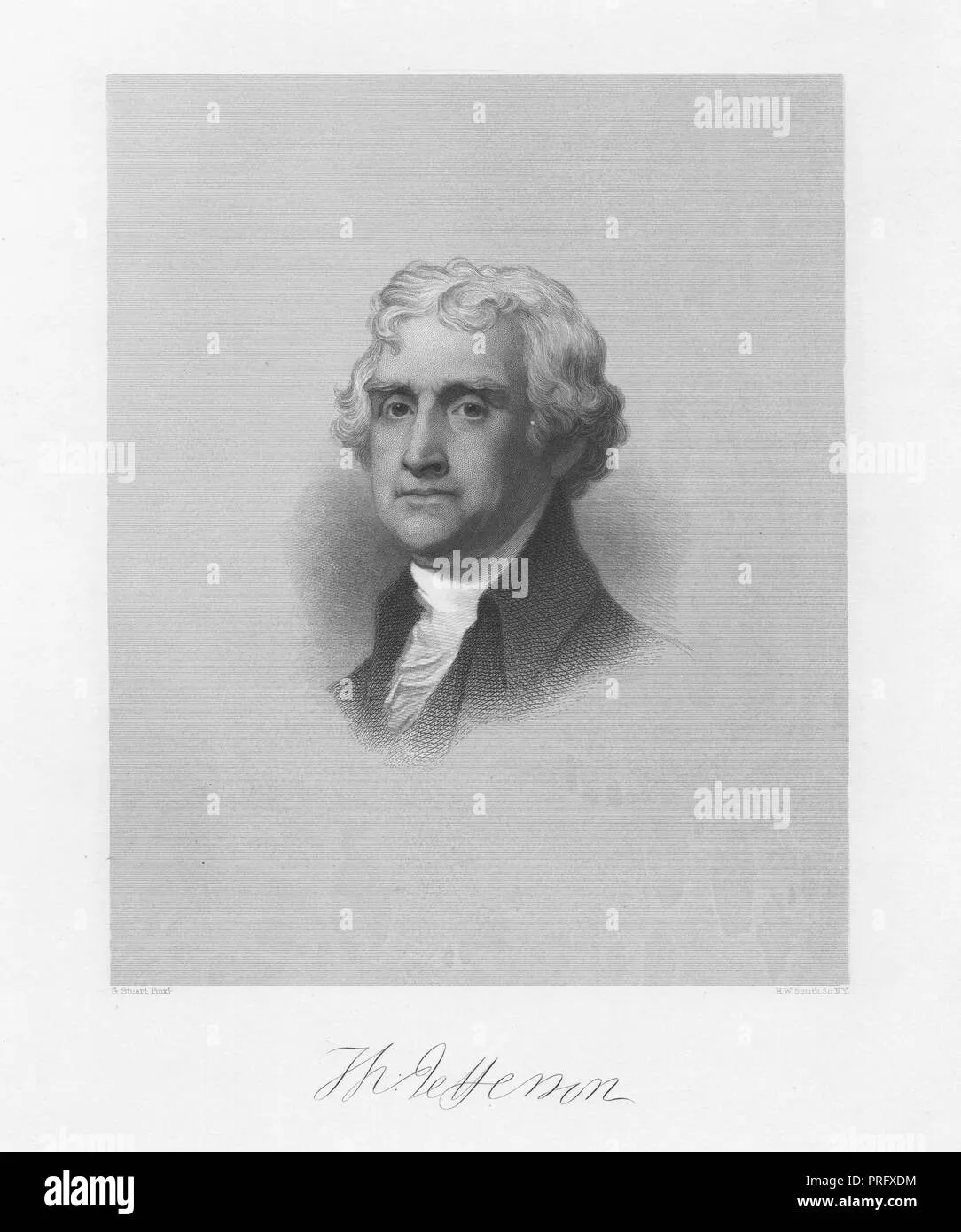 Photo: Thomas Jefferson, via c8.alamy.com
Adams understood what Jefferson would learn too late: the federal judiciary, once packed, stays packed. Those late-night appointments shaped American law for decades, creating a Federalist legal legacy that outlasted the Federalist Party itself by generations.
The pattern Adams established—using the transition period to cement irreversible institutional changes—became the hidden curriculum of American presidential power.
The Psychology of the Departing Executive
Modern behavioral psychology confirms what historical observation already suggested: individuals facing the end of their authority don't become more cautious—they become more willing to accept risks their future selves won't have to manage.
The departing president operates under what psychologists call "temporal discounting"—the tendency to prioritize immediate gains over future costs when those future costs will belong to someone else. Combined with the unique constitutional authorities that remain fully intact until the final moment of a presidency, this creates a window of maximum danger disguised as a period of minimum relevance.
Every president since Adams has faced the same psychological calculation: spend the final weeks protecting institutional norms that constrained your own power, or use those final weeks to push the boundaries of what presidential authority can accomplish when freed from electoral consequences.
The Executive Order Explosion
The modern presidency has transformed the lame duck period into a regulatory revolution. Executive orders, pardons, and administrative rule changes—all requiring no congressional approval—become the primary tools of departing presidents determined to encode their priorities into the machinery of government.
Barack Obama issued more executive orders in his final two months than in any comparable period of his presidency. Donald Trump's post-election period produced a cascade of regulatory changes, personnel decisions, and policy reversals that his successor spent months unwinding. The pattern transcends partisan affiliation because it responds to institutional incentives rather than ideological preferences.
The administrative state, designed to provide continuity across transitions, becomes the vehicle for departing presidents to extend their influence far beyond their constitutional tenure.
The Pardon Power's Final Performance
No presidential authority better illustrates the dangerous potential of lame duck power than the pardon. Constitutional scholars designed this power as a safety valve for cases where justice and law diverged. Departing presidents have transformed it into a tool for rewriting the historical record of their own administrations.
Bill Clinton's final-day pardons included major donors and political allies whose cases had never been reviewed through normal Justice Department channels. Gerald Ford's pardon of Richard Nixon—issued during what was effectively a lame duck presidency—reshaped American politics for a generation. These weren't aberrations but predictable exercises of power by leaders no longer accountable to voters.
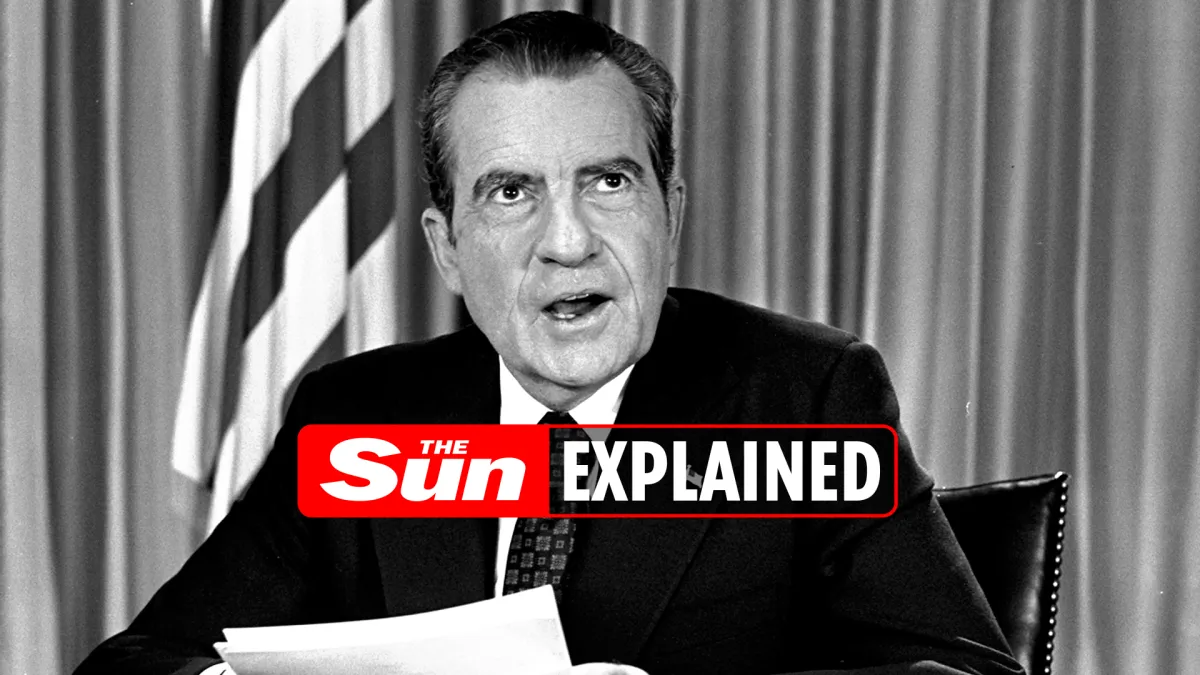 Photo: Richard Nixon, via www.the-sun.com
The pardon power reveals the broader truth about lame duck authority: constitutional powers don't diminish during transition periods—they become more dangerous because they operate without the normal checks of electoral accountability.
The Institutional Memory Problem
American political institutions suffer from chronic amnesia about lame duck power because each transition feels unprecedented to the participants. New administrations arrive convinced they face unique challenges requiring extraordinary responses, while departing administrations convince themselves they face unique threats requiring extraordinary defenses.
This institutional memory loss ensures that each lame duck period surprises observers who should have learned from identical patterns in previous transitions. The press treats each departing president's final-week agenda as breaking news rather than the predictable culmination of historical precedent.
The Democratic Paradox
The lame duck problem reveals a fundamental tension in democratic theory: the same constitutional design that prevents authoritarian consolidation also creates windows where departing leaders can exercise authority without accountability. The Founders understood this paradox but chose to accept it rather than create mechanisms that might weaken presidential power during normal governing periods.
This design choice means American democracy must regularly absorb the shock of departing presidents using their final weeks to push constitutional boundaries, knowing their successors will inherit the precedents but not the political costs.
The lame duck period isn't a bug in American constitutional design—it's a feature that reveals how power actually operates when stripped of its normal constraints. Understanding this pattern doesn't prevent its recurrence, but it might help Americans stop being surprised when departing presidents refuse to depart quietly.