
The Heir Apparent's Trap: How America's Political Bloodlines Devour Their Own Legacy
The mathematics of political inheritance are brutally simple: the first generation earns the capital, the second spends it, and the third discovers there was never enough to begin with. Yet American political families persist in believing they can defy this arithmetic, generation after generation, dynasty after dynasty.
The Founder's Burden
John Adams didn't set out to create a political dynasty. He simply wanted competent leadership for a fragile republic. When he pushed for his son John Quincy's advancement, he was applying the same logic that built his law practice: merit plus opportunity equals success. What Adams couldn't account for was how political capital differs from every other form of wealth.
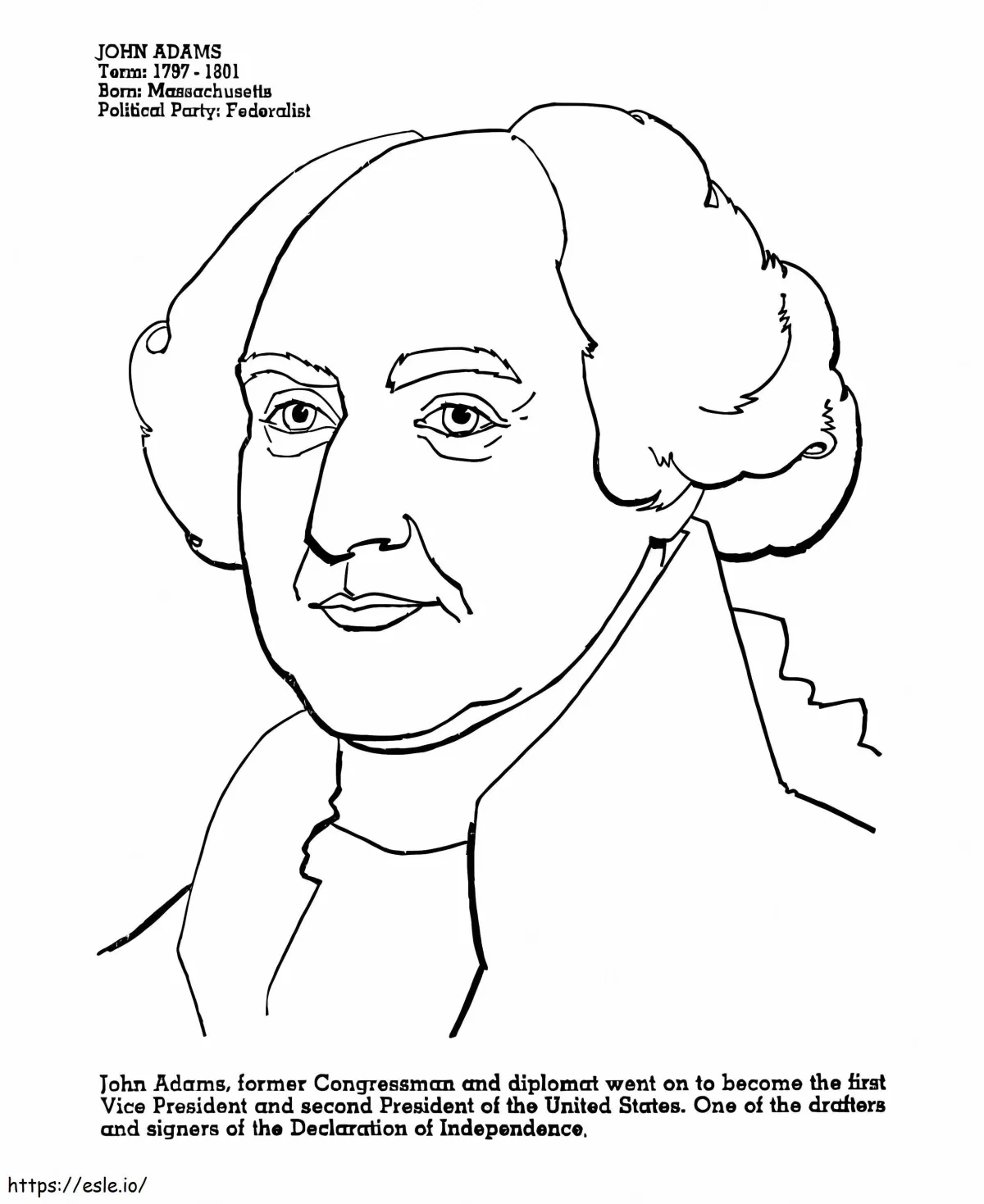 Photo: John Adams, via esle.io
Unlike money or property, political capital cannot be accumulated indefinitely. It has an expiration date tied directly to public memory and contemporary relevance. The founder earns trust through visible struggle against identifiable obstacles. The heir inherits the trust but not the struggle, creating an immediate authenticity deficit that compounds with every inherited advantage.
Consider the psychological position of the political heir. They grow up watching their parent navigate complex negotiations, build coalitions, and make consequential decisions. They absorb the mechanics of power but miss the foundational experience of earning it from nothing. This creates what historians call "succession syndrome" — the belief that understanding power is equivalent to deserving it.
The Second Act's Inevitable Mathematics
George W. Bush's presidency offers the clearest modern example of this dynamic in action. His father had built substantial political capital through decades of public service, culminating in managing the end of the Cold War and a successful military campaign in the Persian Gulf. The younger Bush inherited not just name recognition but a network of advisors, donors, and institutional relationships that would have taken any other candidate decades to develop.
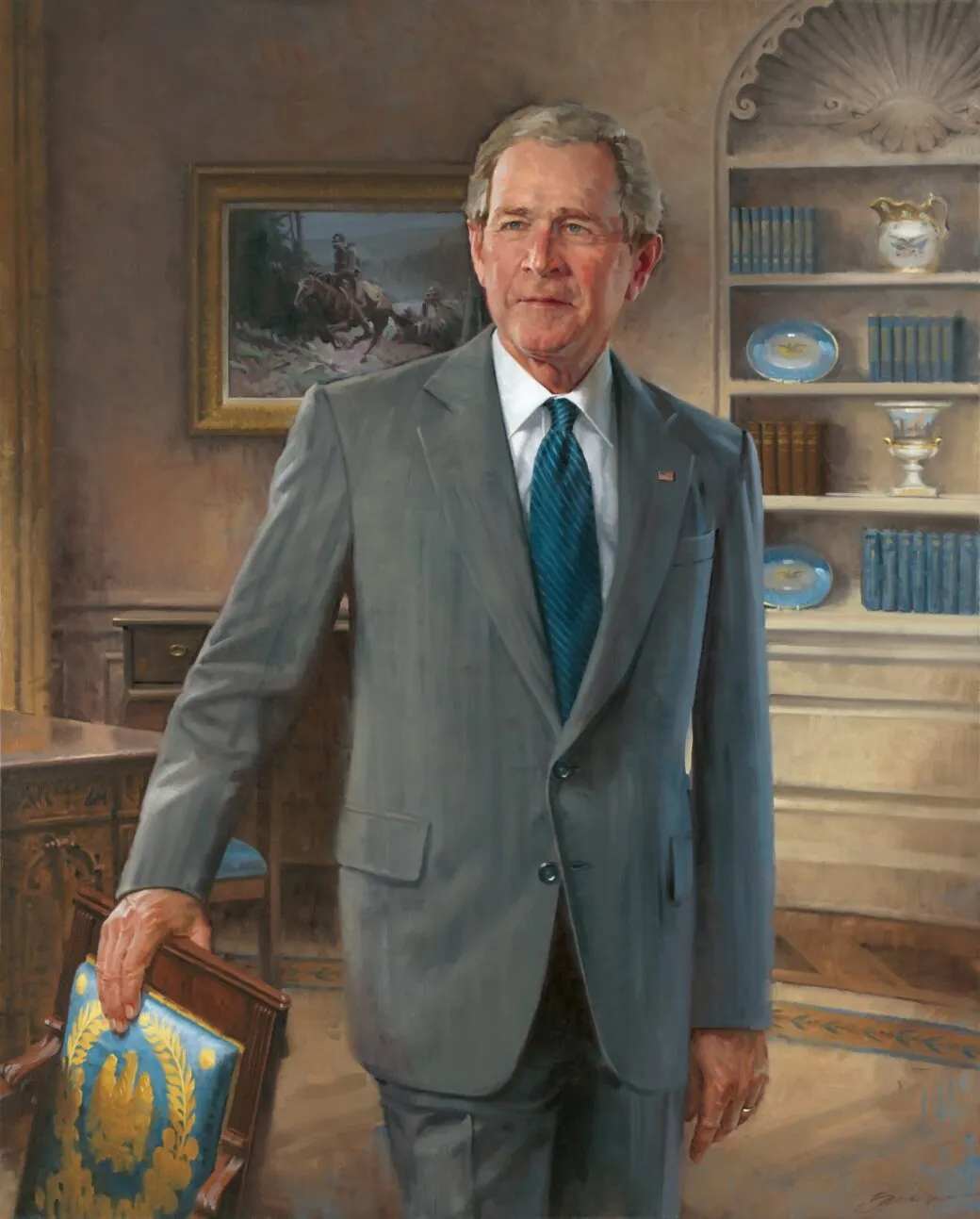 Photo: George W. Bush, via d1y822qhq55g6.cloudfront.net
The problem wasn't competence — though critics certainly questioned that. The problem was that the political capital he inherited was already partially spent. His father's presidency had ended in economic recession and electoral defeat. The Bush brand carried both assets and liabilities, but the heir's campaign could only acknowledge the former.
This selective inheritance creates a fundamental disconnect between the family's self-perception and public reality. Political dynasties consistently overestimate their remaining capital because they measure it against their peak influence rather than their current market value. They remember the crowds, the victories, the moments when the family name opened every door. They forget that those moments were often decades ago.
The Institutional Enablers
American political culture actively encourages this delusion through what sociologists term "elite courtesy bias." Party establishments, donor networks, and media organizations all have institutional incentives to treat political heirs as viable candidates long past their actual electoral expiration date.
For party leaders, political heirs represent known quantities in an uncertain business. They come with established fundraising networks, name recognition, and institutional memory. The calculation is simple: why risk an unknown candidate when you can field someone whose political DNA has already been tested?
Donors face similar incentives. Supporting a Kennedy, Bush, or Clinton provides social cachet and historical continuity that backing a newcomer cannot match. The donor gets to participate in a narrative larger than any single election cycle.
Media organizations, meanwhile, benefit from the built-in story arcs that political dynasties provide. The heir's campaign offers familiar characters, established rivalries, and the dramatic potential of either resurrection or final collapse. These narratives are easier to package and more likely to generate sustained audience engagement than covering unknown candidates with unpredictable trajectories.
The Third Generation's Reckoning
By the time political dynasties reach their third generation, the mathematical impossibility of sustained inheritance becomes undeniable. The original founder's achievements have faded into historical footnotes. The second generation's mixed record has complicated the family brand. The third generation inherits name recognition that has become as much liability as asset.
Yet this is precisely when family pressure to continue the dynasty often peaks. The family's identity has become intertwined with political relevance. Stepping away from politics feels like admitting failure, not just for the individual but for the entire multigenerational project.
The Kennedy family exemplifies this dynamic. John and Robert Kennedy's political capital was enormous but non-transferable. Ted Kennedy managed to build his own distinct political identity, but subsequent generations have found themselves chasing echoes of achievements from before they were born. Each campaign becomes an exercise in historical cosplay rather than contemporary politics.
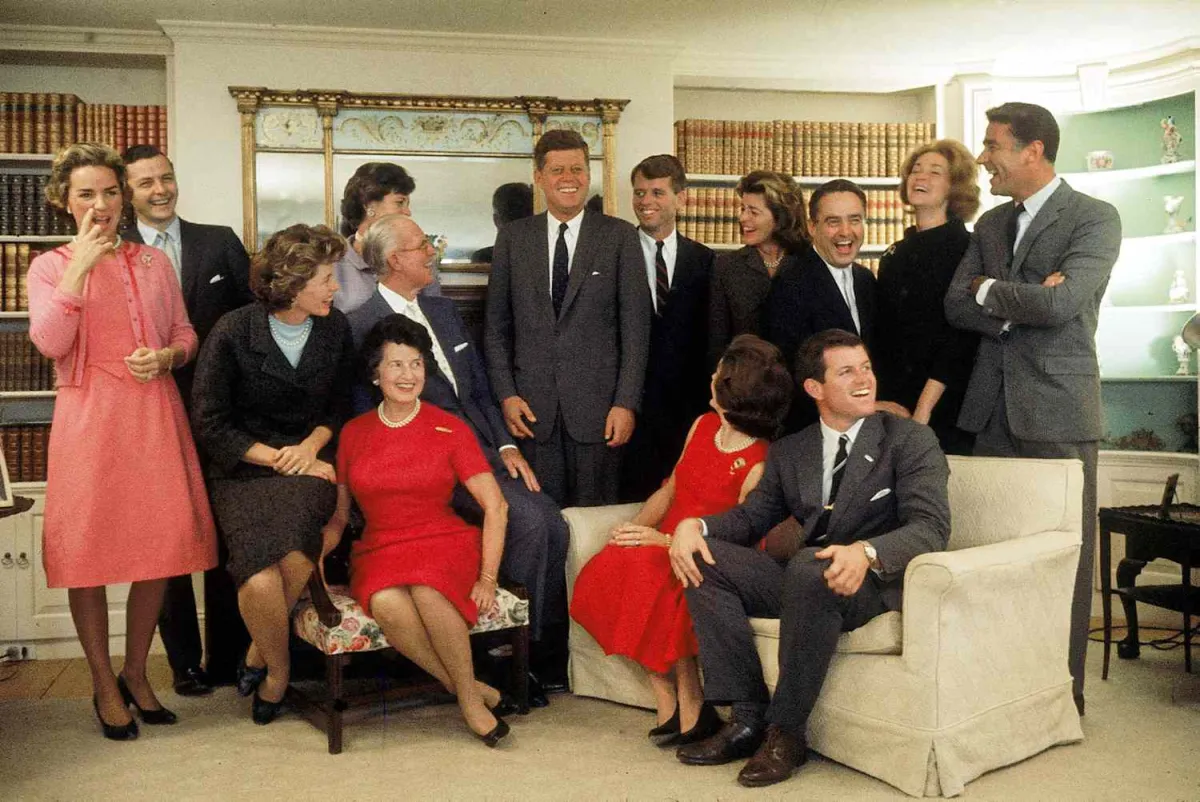 Photo: Kennedy family, via www.thoughtco.com
The Psychology of Inevitable Decline
The tragedy of political dynasties isn't that they fail — it's that they always fail exactly one generation too late. The warning signs are visible to outside observers years before they become apparent to the families themselves. Poll numbers decline, fundraising becomes more difficult, and endorsements shift to other candidates. But the family's internal narrative remains focused on restoration rather than retirement.
This persistence in the face of mounting evidence reflects a fundamental misunderstanding of how political capital operates. Unlike inherited wealth, which can be preserved through conservative management, political capital requires constant regeneration through fresh achievements and contemporary relevance. The heir who tries to live off inherited political capital is like a trust fund recipient who never learns to earn income — eventual bankruptcy is inevitable.
The families themselves are always the last to recognize this reality because they measure their political position against their own historical peak rather than current market conditions. They remember when the family name was enough to command attention, respect, and support. They struggle to accept that political capital, unlike other forms of inheritance, cannot be preserved in perpetuity.
The Long Game's Lesson
American political dynasties consistently collapse because they mistake institutional memory for electoral viability. The founder's achievements create a family brand, but brands require constant reinvestment to maintain relevance. Political heirs who assume their inheritance will appreciate without additional effort invariably discover that political capital, unlike compound interest, doesn't grow automatically over time.
The pattern repeats because human psychology hasn't changed in five thousand years. Every generation of political heirs believes they can be the exception to historical precedent. They cannot. The only variable is whether they recognize this reality soon enough to preserve what remains of the family's political capital, or persist until that capital is completely exhausted.
History suggests they will persist. The heir apparent's trap isn't that they don't see it coming — it's that seeing it coming isn't enough to escape it.