The presidential pardon represents one of the Constitution's most elegant ironies: a power designed to demonstrate executive mercy that consistently destroys the political capital of those who exercise it. From Gerald Ford's Nixon pardon to Bill Clinton's final-hour clemency spree, the pattern remains remarkably consistent. The scandal transfers from the guilty party to the forgiving authority, leaving presidents to wonder why they ever touched what amounts to political plutonium.
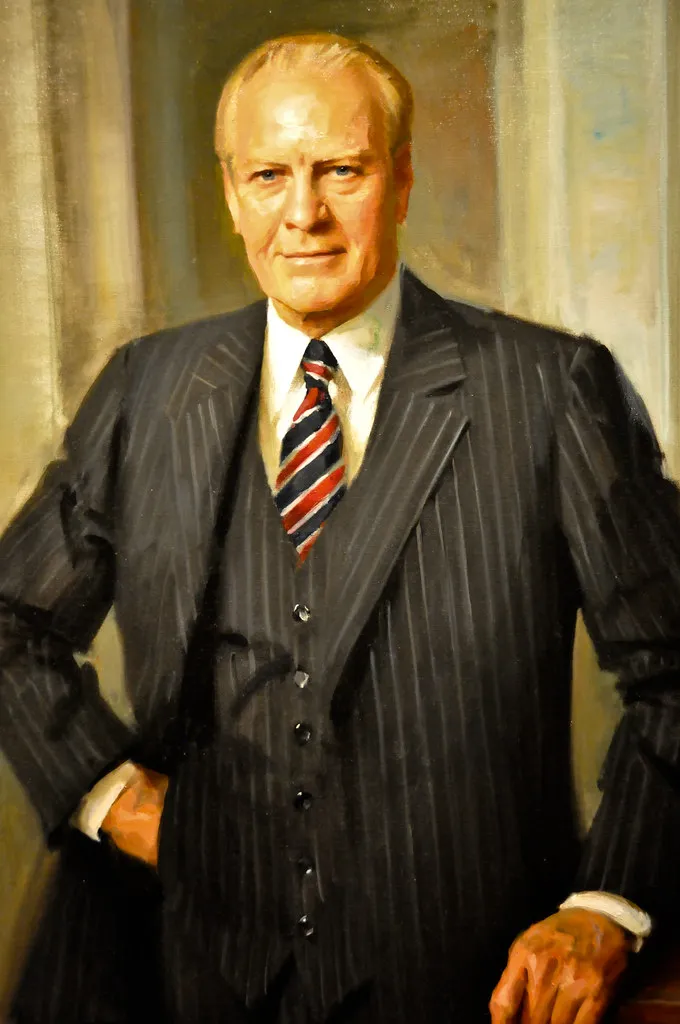 Photo: Gerald Ford, via c2.staticflickr.com
This transformation of mercy into political suicide reveals something fundamental about American political psychology. We claim to value forgiveness while systematically punishing those who practice it at the highest levels. The pardon power exposes the gap between our stated values and our actual responses to executive clemency.
Ford's Original Sin
Gerald Ford's pardon of Richard Nixon established the template for all subsequent presidential clemency disasters. Ford genuinely believed that putting Nixon through a criminal trial would damage the country more than letting him escape prosecution. The decision came from authentic concern for national healing and constitutional stability.
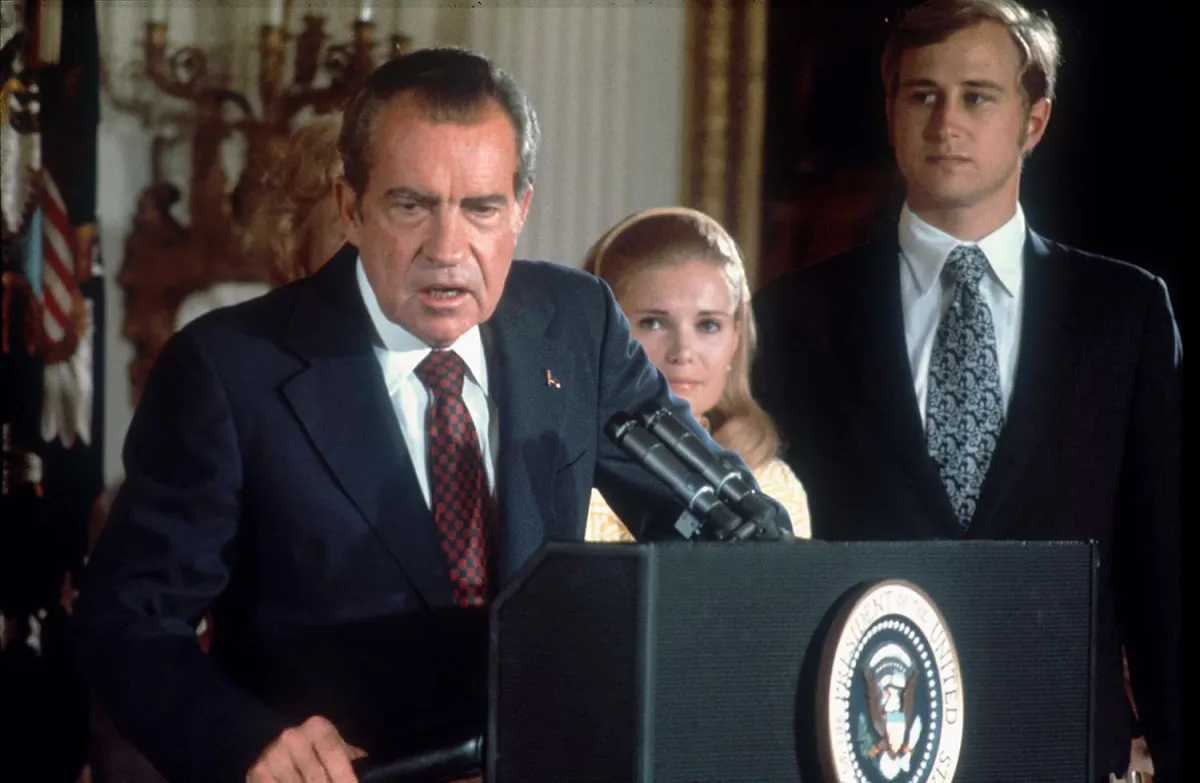 Photo: Richard Nixon, via www.thoughtco.com
The American public responded with characteristic mercy: they ended Ford's presidency. The pardon became the defining act of his administration, overshadowing his steady leadership during a turbulent transition period. Ford spent the remainder of his life defending a decision that cost him the 1976 election.
What Ford discovered was that presidential pardons operate according to different rules than ordinary forgiveness. When presidents exercise clemency, they inherit the moral burden of the original offense while the pardoned party escapes relatively unscathed. Nixon rehabilitated his reputation through careful public relations work, while Ford carried the stigma of the pardon until his death.
Johnson's Reconstruction Catastrophe
Andrew Johnson's experience with Reconstruction-era pardons demonstrates that this pattern predates modern media cycles. Johnson's extensive clemency for Confederate leaders was intended to speed national reconciliation and restore Southern economic productivity. Instead, it became evidence of his supposed sympathy for the rebellion and helped fuel his impeachment.
The historical irony is particularly sharp in Johnson's case. His pardons were politically motivated, designed to build a coalition of conservative Democrats and moderate Republicans. Yet they backfired completely, alienating Radical Republicans while failing to create the intended alliance. Johnson learned that presidential pardons cannot be used as ordinary political tools without extraordinary political consequences.
The pattern established a crucial precedent: pardons intended to heal political divisions typically widen them instead. The act of clemency forces everyone to choose sides on the original controversy, usually to the president's disadvantage.
Clinton's Final Hour Gamble
Bill Clinton's last-minute pardons of Marc Rich and other controversial figures created a scandal that overshadowed eight years of relative economic prosperity and political success. Clinton's decision to grant clemency to Rich, a fugitive financier, generated more sustained negative coverage than most of his previous controversies.
The timing made the political damage particularly severe. Last-minute pardons appear calculated and corrupt rather than merciful and principled. Clinton's decision suggested that presidential clemency was for sale to the highest bidder, permanently tarnishing his post-presidential reputation.
What makes Clinton's case historically significant is how quickly the pardons became his defining legacy moment. Years of economic growth and political achievement were forgotten in favor of a few clemency decisions made in his final hours in office. The pardon power had once again transformed a political success story into a cautionary tale.
The Psychological Trap
Presidential pardons fail politically because they violate fundamental assumptions about justice and accountability. Americans expect consequences for serious wrongdoing, and presidential intervention appears to subvert this natural order. The president becomes complicit in the original offense by preventing its punishment.
This psychological dynamic explains why pardons for clearly sympathetic cases—like Jimmy Carter's amnesty for Vietnam draft resisters—generate less political damage than clemency for powerful figures. The public can accept mercy for ordinary citizens caught in extraordinary circumstances but rejects it when applied to elites who should have known better.
The pardon power also forces presidents to make moral judgments that inevitably alienate substantial portions of the electorate. Unlike other executive decisions that can be framed in terms of policy preferences or political strategy, pardons require explicit statements about guilt, innocence, and appropriate punishment.
Why Presidents Keep Trying
Despite the consistent political costs, presidents continue exercising the pardon power because it serves important constitutional and personal functions. The framers included clemency authority precisely because they understood that rigid application of legal rules could sometimes produce unjust outcomes.
Presidents also use pardons to signal their values and priorities during their final days in office. The clemency power represents one of the few areas where presidents can act unilaterally without congressional approval or judicial review. This autonomy makes pardons attractive even when the political costs are obvious.
The pattern persists because each president believes they can avoid their predecessors' mistakes. They imagine their pardons will be different—more principled, better timed, or more carefully explained. History suggests this confidence is consistently misplaced.
The Mercy Paradox
The presidential pardon reveals a fundamental tension in American political culture. We demand both justice and mercy from our leaders while making it politically impossible to practice the latter. This creates a system where the most controversial decisions often require the most political courage, ensuring that only the most principled or most reckless presidents will exercise clemency power.
The historical pattern suggests that presidential pardons will continue destroying political careers precisely because they represent genuine exercises of executive authority in a system designed to constrain such power. The mercy that was meant to heal consistently wounds those who offer it, creating a political suicide pill that presidents keep taking anyway.