The Gentleman's Agreement That Never Existed
Every American civics textbook teaches the same noble fiction: that our democratic system depends on a "loyal opposition" — defeated parties that accept electoral outcomes gracefully and work constructively within established institutions. This mythology portrays political combat as a gentleman's sport where adversaries shake hands after the final whistle and collaborate for the common good.
The historical record tells a different story entirely. From the republic's earliest days, opposition parties have treated routine electoral defeats as existential emergencies requiring scorched-earth responses. What we call "unprecedented polarization" is actually the default setting of American politics. The brief mid-century period of bipartisan cooperation wasn't the natural state of democracy — it was the anomaly that requires explanation.
When Losing Meant Civil War
Consider the Federalists' response to Thomas Jefferson's victory in 1800. Rather than accepting their role as a constructive minority, they immediately began plotting secession. The Hartford Convention of 1814 wasn't a policy conference — it was a blueprint for dissolving the Union because the wrong party kept winning elections. Federalist newspapers didn't critique Jefferson's policies; they declared his presidency illegitimate and his supporters enemies of civilization itself.
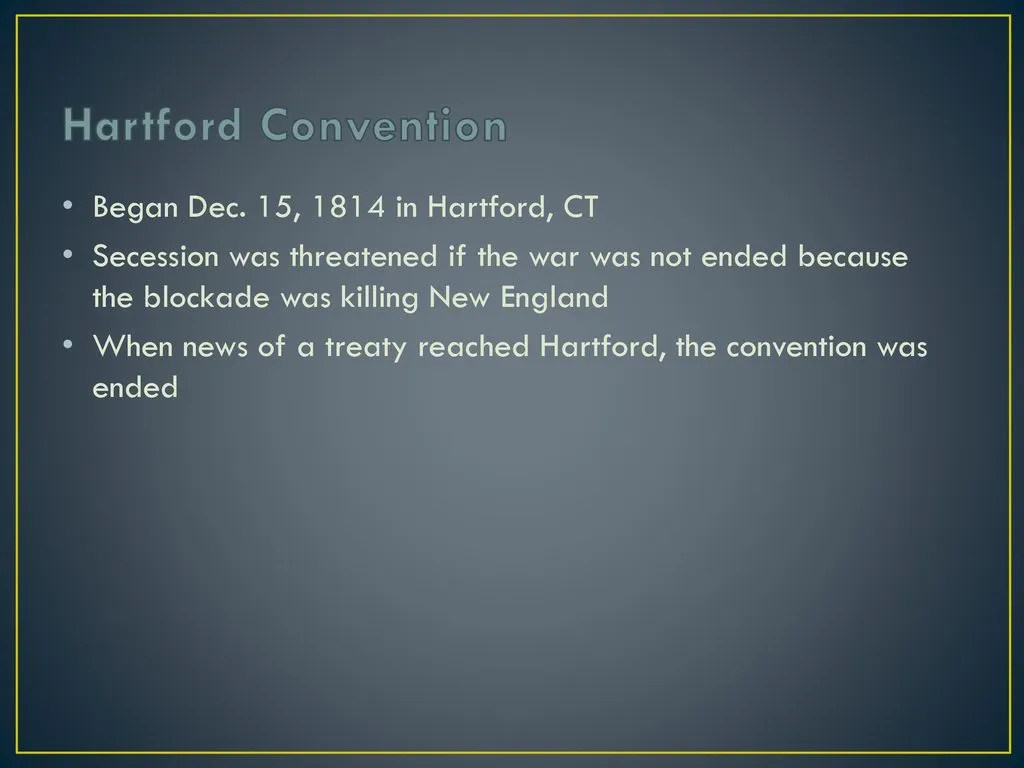 Photo: Hartford Convention, via slideplayer.com
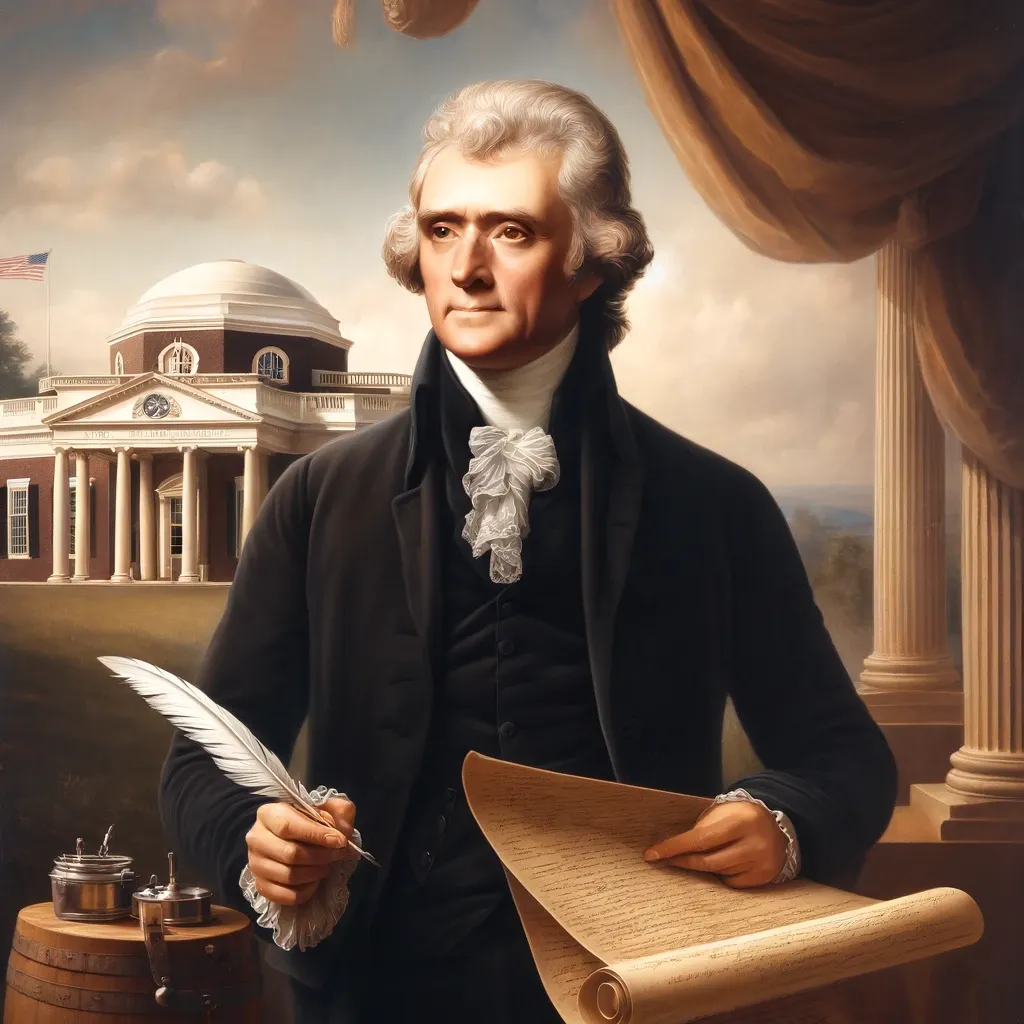 Photo: Thomas Jefferson, via socialstudieshelp.com
This wasn't partisan excess — it was rational behavior given the stakes. When political parties represent fundamentally incompatible visions of what America should become, electoral defeat isn't just a temporary setback. It's an existential threat to everything you believe the country stands for.
The Pattern Emerges
The same dynamic played out in the 1850s when Southern Democrats faced the prospect of permanent Republican dominance. They didn't organize a better ground game or craft more appealing messages. They seceded. The "loyal opposition" chose literal warfare over accepting minority status in a system they could no longer control.
Jump forward to 1932. Conservative Republicans didn't view Franklin Roosevelt's New Deal as misguided policy — they saw it as the end of the American experiment. The Liberty League wasn't formed to offer constructive criticism; it was created to delegitimize an entire presidency. When Roosevelt proposed expanding the Supreme Court, his opponents didn't debate the merits — they declared him a dictator attempting to destroy constitutional government.
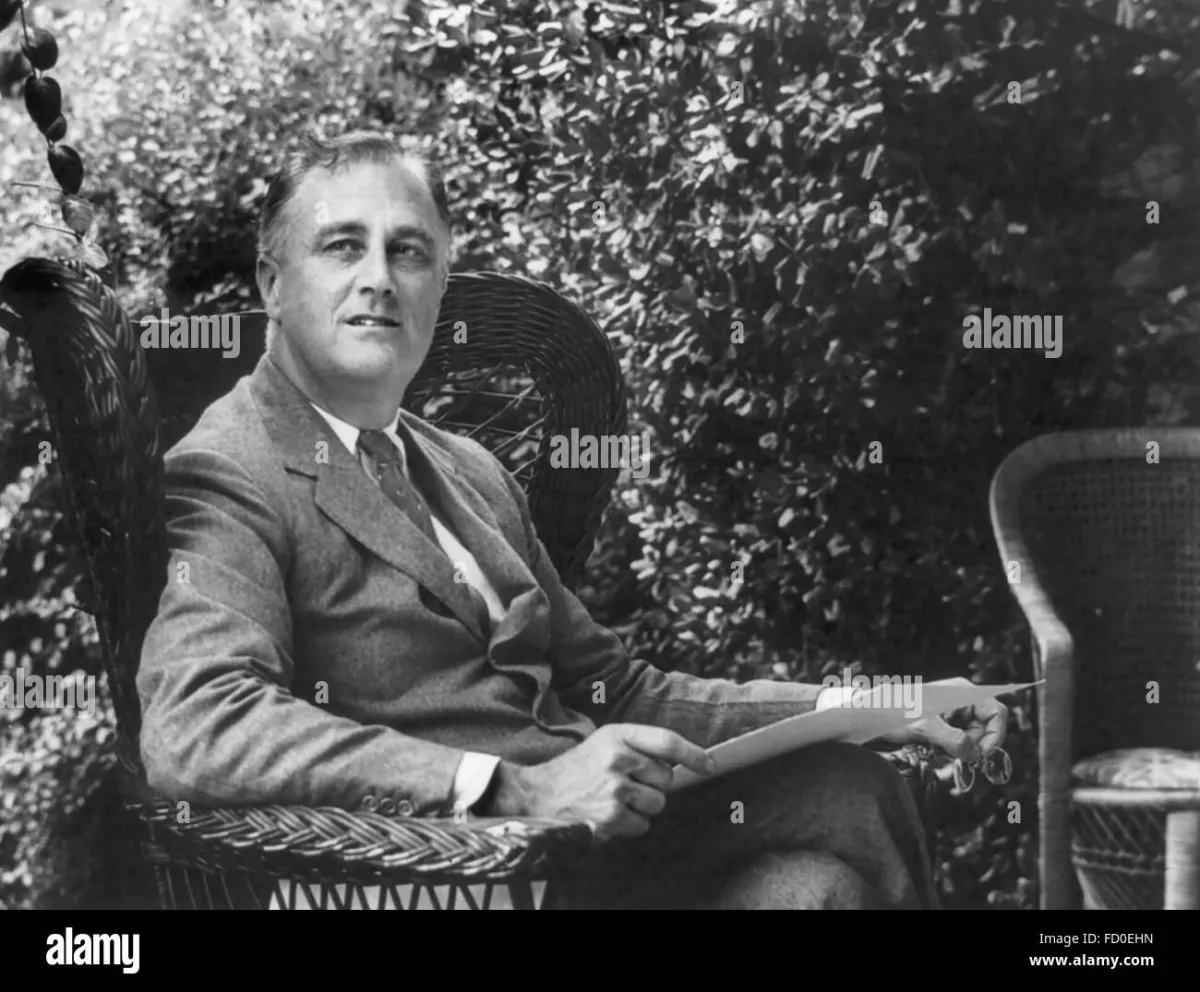 Photo: Franklin Roosevelt, via c8.alamy.com
The Modern Myth of Bygone Civility
Political nostalgia merchants love to invoke the supposedly genteel era when Tip O'Neill and Ronald Reagan shared drinks after hours, proof that Democrats and Republicans once knew how to disagree without being disagreeable. This mythology conveniently ignores that O'Neill spent his days calling Reagan's policies "immoral" and "mean-spirited," while Reagan dismissed Democratic leaders as socialist sympathizers undermining American security.
The difference wasn't civility — it was that both parties accepted basic parameters about America's role in the world and the federal government's domestic responsibilities. They fought over details, not fundamental premises. Remove that shared foundation, and the "loyal opposition" disappears entirely.
When the System Becomes the Enemy
After the Republican Revolution of 1994, Democrats didn't simply regroup for the next election cycle. They began questioning the legitimacy of institutions they had controlled for decades. Newt Gingrich wasn't just a political opponent — he was a dangerous extremist whose very presence in power delegitimized the system itself.
Republicans returned the favor after 2008. Barack Obama's presidency wasn't just bad policy — it was an illegitimate usurpation that required total resistance. The Tea Party didn't emerge to offer better healthcare proposals; it formed to deny Obama any legislative victories whatsoever. Compromise wasn't just politically unwise — it was moral surrender to an administration that represented everything wrong with America.
The Logic of Total War
This pattern makes perfect sense once you understand the underlying psychology. Political parties don't just represent policy preferences — they embody competing identities about what America is and should become. When your opponents win, they're not just implementing different tax rates or healthcare systems. They're remaking the country in ways that make your vision of America impossible to achieve.
Under those circumstances, the "loyal opposition" becomes an oxymoron. You can be loyal to your principles or loyal to a system that empowers your enemies, but not both. Every procedural norm that constrains your resistance becomes complicity in your own defeat.
The Permanent Emergency
What changed wasn't American political culture — it was the stakes of political combat. When both parties accepted basic premises about America's role in the world and the federal government's domestic authority, opposition could remain loyal because victory and defeat were matters of degree, not kind.
Once those shared assumptions collapsed, every election became an existential emergency. The minority party's job wasn't to help govern — it was to prevent governance entirely until the next opportunity to regain power. Procedural norms designed for routine disagreements became obstacles to preventing catastrophe.
The Historical Verdict
American political history reveals an uncomfortable truth: the "loyal opposition" was always a performance for audiences who needed to believe democracy could function smoothly. When the stakes were low enough and the differences narrow enough, that performance could approximate reality.
But when fundamental questions about America's future hang in the balance, opposition parties behave exactly as they always have — as if losing means losing everything. The current era of political warfare isn't a breakdown of democratic norms. It's democracy working exactly as the Founders expected it would when the stakes got high enough.
The real question isn't why American politics became so polarized. It's why anyone expected it to remain civil when the underlying consensus disappeared entirely.