The Art of Kicking the Can Down the Generational Road
Diplomatic success stories have a disturbing habit of becoming tomorrow's history lessons about how wars begin. The Treaty of Versailles, celebrated for ending the "war to end all wars," created the economic humiliation and territorial grievances that made the next world war inevitable. The Oslo Accords, hailed as a breakthrough toward Middle Eastern peace, established the framework for decades of escalating violence. The Dayton Agreement stopped the killing in Bosnia by institutionalizing ethnic divisions that continue to poison the region.
 Photo: Dayton Agreement, via 2001-2009.state.gov
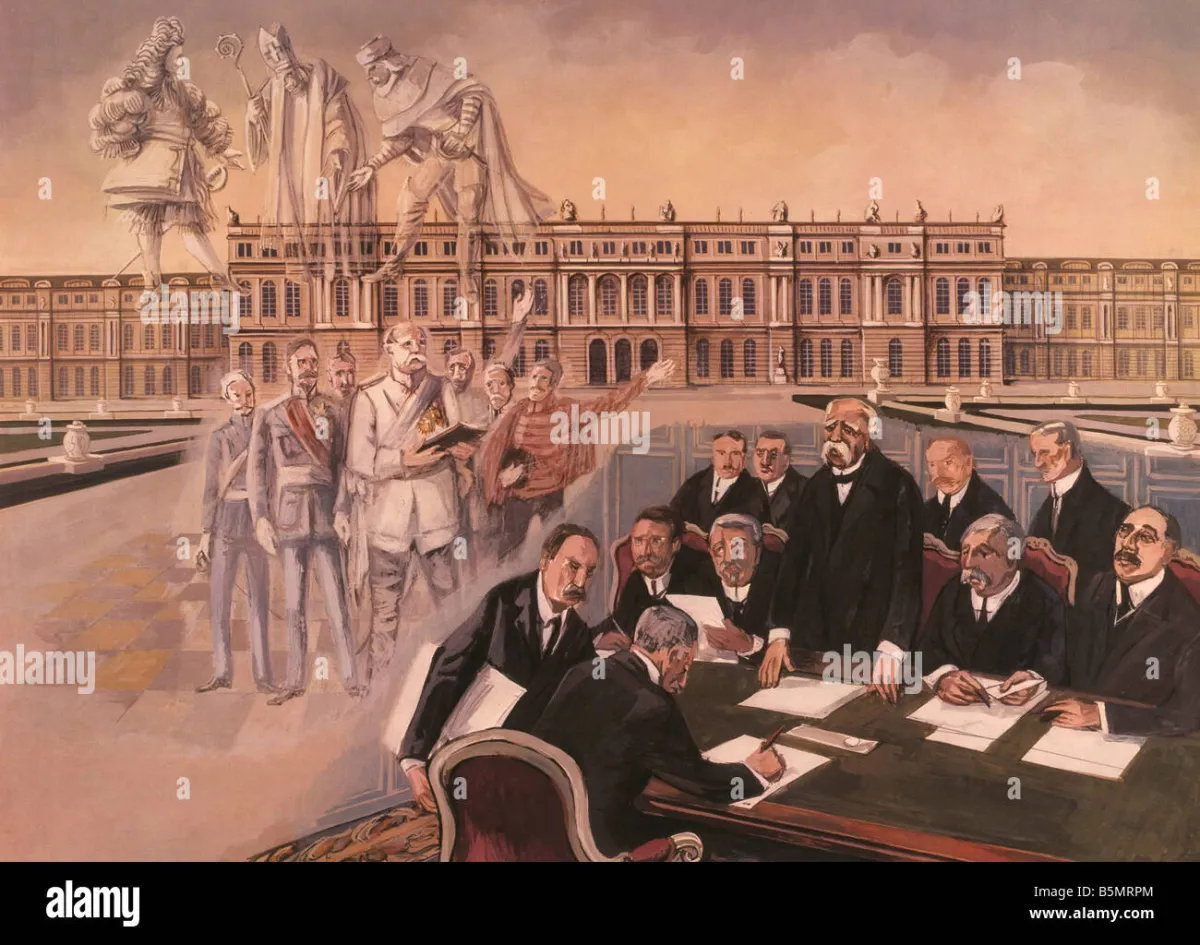 Photo: Treaty of Versailles, via c8.alamy.com
This isn't a coincidence or evidence of diplomatic incompetence. It's the logical consequence of how peace negotiations actually work when the underlying conflicts remain unresolved.
The Structural Impossibility of Just Peace
Every successful peace agreement faces the same impossible challenge: it must stop immediate violence while satisfying parties with fundamentally incompatible objectives. Since true resolution would require one side to abandon core interests, negotiators instead craft elaborate compromises that give everyone enough to stop shooting while ensuring that no one gets enough to feel permanently satisfied.
The result is always the same — agreements that freeze conflicts at the moment of maximum exhaustion rather than resolve the underlying disputes. The injustices that caused the original fighting don't disappear; they get institutionalized as the price of peace.
Consider how this dynamic played out at Versailles. The Allies needed to punish Germany enough to satisfy domestic demands for justice while keeping Germany stable enough to prevent chaos in Central Europe. The solution was a treaty that imposed crushing reparations without providing mechanisms for Germany to rebuild legitimately. German grievance was guaranteed; the only question was how long it would take to explode.
America's Domestic Peace Deals Follow the Same Script
American political history reveals identical patterns in domestic conflict resolution. The Missouri Compromise of 1820 temporarily defused the slavery crisis by establishing a geographic line between free and slave territories. This "great compromise" didn't resolve the fundamental incompatibility between a nation founded on human equality and an economy based on human bondage — it simply postponed the reckoning for forty years.
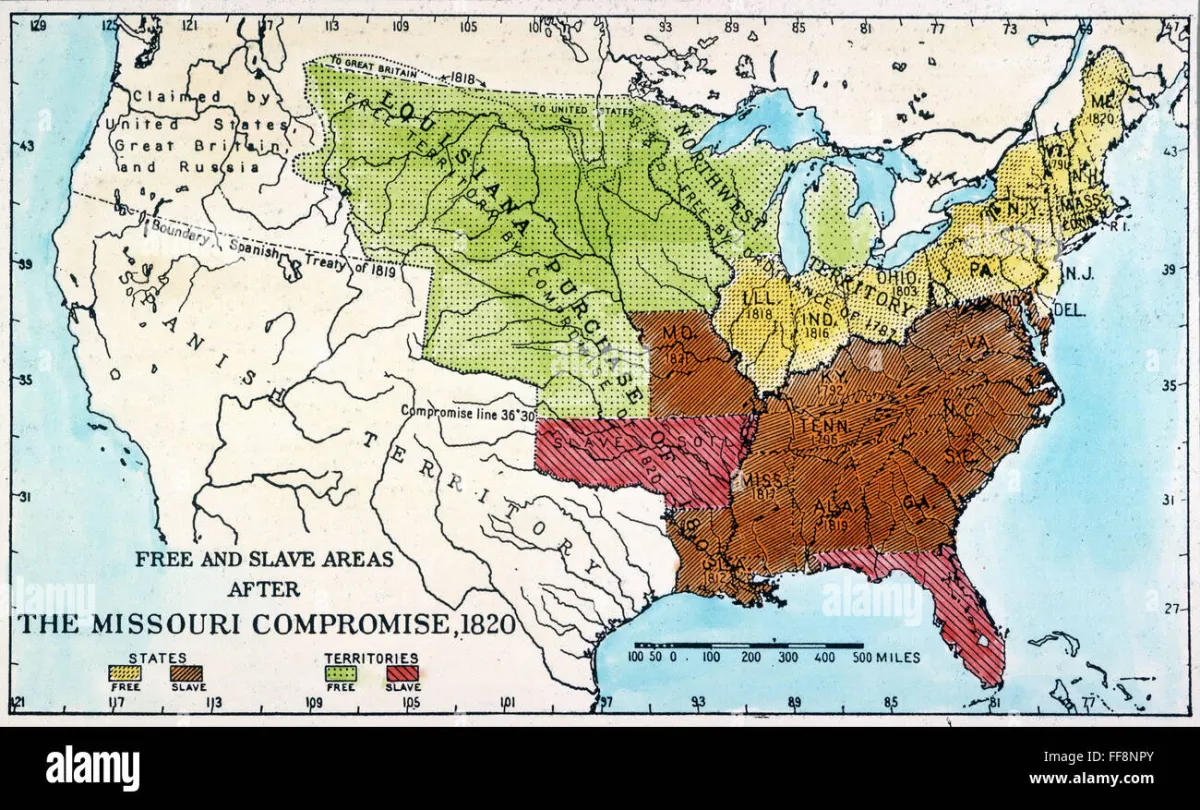 Photo: Missouri Compromise, via c8.alamy.com
The compromise worked exactly as designed: it stopped immediate political crisis by giving both sides something they could live with temporarily. Antislavery forces got restrictions on slavery's expansion; proslavery interests got constitutional protections for existing slave states. Everyone declared victory and went home.
The problem was that the underlying moral and economic contradictions remained unchanged. Every new territory forced the same impossible choice, and each subsequent compromise (the Compromise of 1850, the Kansas-Nebraska Act) made the eventual confrontation more inevitable and more violent.
The Immigration Deal That Never Ends
The Immigration Reform and Control Act of 1986 provides a perfect case study in how successful legislation creates the crises it was designed to prevent. The bill was hailed as a comprehensive solution that would finally resolve America's immigration challenges through a simple trade: amnesty for existing undocumented immigrants in exchange for strict enforcement that would prevent future illegal immigration.
Both sides got what they needed politically. Immigration advocates could claim victory for the three million people who gained legal status. Restrictionists could point to enhanced border security and employer sanctions as proof that the "magnet" of illegal employment would disappear.
The law worked exactly as written — and created exactly the conditions that made future immigration crises inevitable. Amnesty without addressing the economic forces that drive migration simply encouraged more illegal immigration by demonstrating that eventually, America would legalize undocumented residents. Enhanced enforcement made border crossing more dangerous and expensive, which paradoxically made temporary workers stay permanently rather than risk repeated crossings.
Thirty-five years later, America has the same immigration debates using the same language about the same problems, except now the undocumented population is four times larger.
The Budget Deals That Guaranteed Fiscal Crisis
The budget agreements of the 1990s followed identical logic. Faced with unsustainable deficits, Democrats and Republicans crafted deals that reduced immediate fiscal pressures without addressing the structural drivers of long-term spending growth. The Gramm-Rudman Act imposed automatic spending cuts that could be waived during emergencies. The Budget Control Act created "sequestration" mechanisms that everyone understood would never be allowed to function as designed.
These agreements succeeded brilliantly at their actual purpose: they allowed politicians to claim fiscal responsibility while avoiding the politically impossible task of cutting popular programs or raising taxes sufficiently. The deals worked by pushing the hardest choices into the future, when they would become someone else's problem.
The result was predictable: each successful budget deal made the next fiscal crisis more severe by adding new procedural complications without reducing underlying spending pressures. America now faces fiscal challenges that are orders of magnitude larger than the problems the 1990s agreements were designed to solve.
Why Good Faith Makes Things Worse
The tragedy of diplomatic success is that it usually reflects genuine good faith efforts by skilled negotiators who understand exactly what they're doing. The architects of Versailles knew they were creating an unstable settlement; they simply calculated that immediate peace was more important than long-term stability. The framers of the Missouri Compromise understood that they were postponing rather than preventing a national crisis over slavery; they believed that postponement was better than immediate civil war.
This isn't cynical can-kicking — it's rational decision-making under impossible constraints. When the alternative to an imperfect peace deal is continued violence, negotiators have no choice but to accept settlements that virtually guarantee future conflicts.
The Mediator's Impossible Choice
Successful mediation requires convincing all parties that they're getting enough to justify stopping the fight. This means every peace agreement must contain enough ambiguity and contradiction to allow multiple interpretations of what was actually agreed upon. Clear, unambiguous terms would force one side to acknowledge defeat, which would make agreement impossible.
The price of this strategic ambiguity is that every peace deal contains the seeds of the next conflict embedded in its most essential provisions. The parties aren't misunderstanding the agreement — they're understanding it exactly as it was designed to be understood, which is differently by everyone involved.
The Historical Verdict
Diplomatic history reveals an uncomfortable truth: the choice is rarely between good agreements and bad agreements, but between imperfect peace and continued war. The negotiators who crafted Versailles, Oslo, Dayton, and countless domestic compromises weren't naive about the long-term consequences of their work. They were making rational calculations about immediate versus future costs.
The real question isn't why peace agreements fail to prevent future conflicts. It's whether temporary peace purchased through institutionalized injustice is better than continued violence in pursuit of impossible justice. History suggests that societies consistently choose the former, even when they understand exactly what they're buying.
Perhaps the most honest assessment of diplomatic success is that it doesn't solve problems — it transforms immediate crises into manageable long-term tensions. Sometimes that's the best outcome available, even when everyone involved knows they're simply scheduling the next war for a more convenient time.