The Performance of Accountability: Why Congressional Hearings Became Democracy's Greatest Magic Trick
Congressional hearings represent American democracy's most sophisticated illusion: the appearance of rigorous oversight that consistently produces no meaningful consequences. From the railroad monopolies of the 1880s to today's tech platform hearings, the format has evolved into political theater that satisfies everyone except the citizens it was supposedly designed to protect.
The genius of the congressional hearing lies in its ability to simulate accountability while avoiding its substance. Witnesses appear to face tough questioning, legislators demonstrate their concern for public welfare, and media coverage creates the impression that powerful interests are being held to account. Meanwhile, the underlying problems that prompted the hearings continue unchanged.
The Railroad Precedent
America's first major congressional investigations established the template that persists today. The Interstate Commerce Commission hearings of the 1880s featured railroad executives explaining their rate-setting practices to concerned legislators while photographers captured dramatic moments of confrontation.
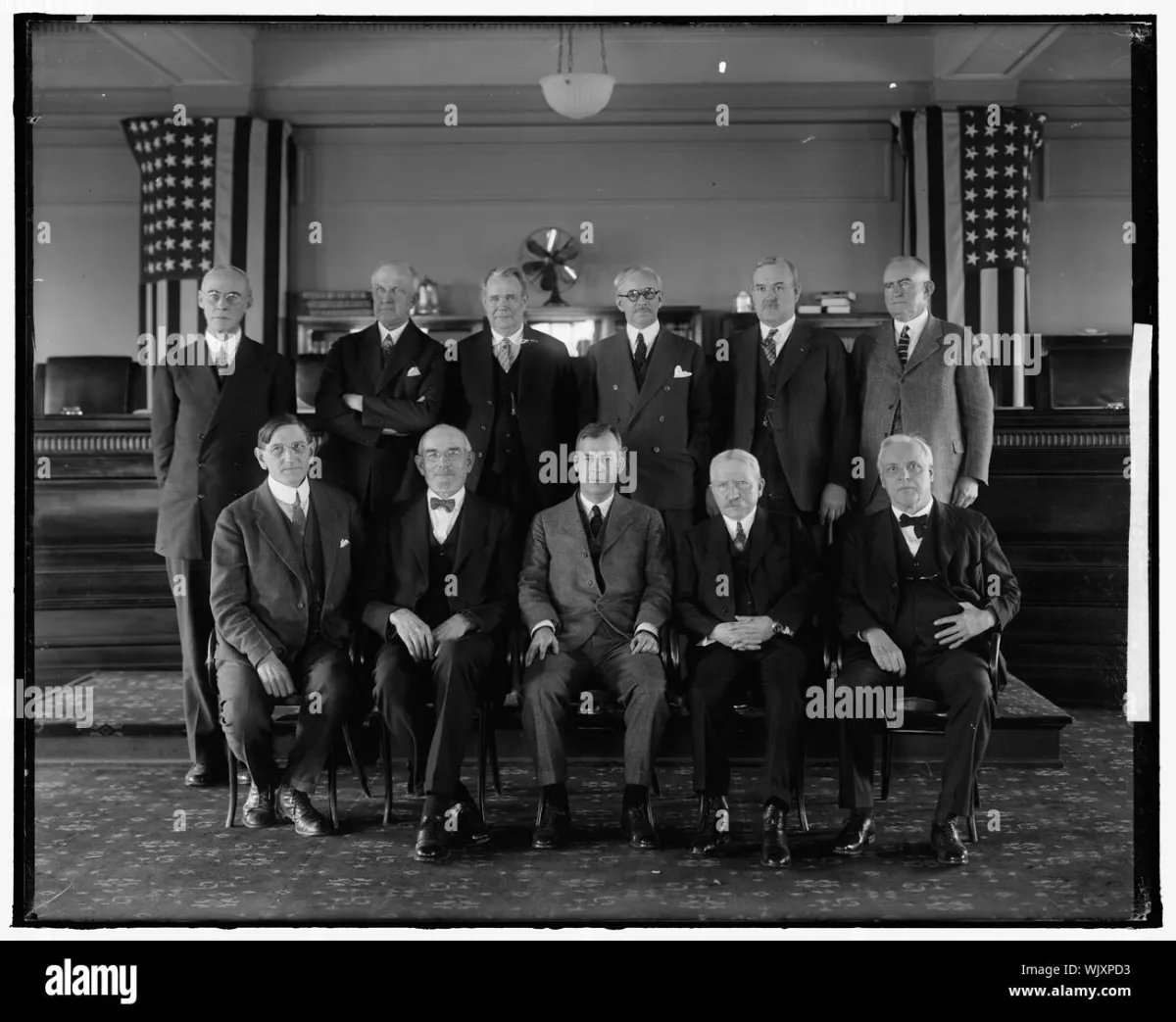 Photo: Interstate Commerce Commission, via c8.alamy.com
The hearings generated substantial public attention and created the impression that Congress was addressing monopolistic practices in the transportation industry. Yet the actual regulatory framework that emerged was largely written by the railroad companies themselves, ensuring that government oversight would be more theatrical than substantive.
This pattern—dramatic public hearings followed by industry-friendly regulation—became the standard approach to managing public outrage about corporate behavior. The hearings provided political cover for legislators while allowing businesses to shape the regulatory environment to their advantage.
The Tobacco Theater
The 1990s tobacco hearings demonstrated how the format had evolved into pure performance art. Seven tobacco executives raised their right hands and swore under oath that nicotine was not addictive, creating one of the most memorable moments in congressional history. The visual of powerful executives making obviously false statements under oath suggested that accountability was finally arriving.
Yet the hearings produced no immediate criminal prosecutions, no significant regulatory changes, and no meaningful consequences for the executives who committed perjury on national television. The companies eventually paid financial settlements that were absorbed as business expenses while their core operations remained unchanged.
The tobacco hearings revealed the essential function of congressional testimony: providing cathartic moments of apparent confrontation that substitute for actual enforcement. The public's desire for accountability was satisfied by the spectacle of powerful figures being questioned, even though no real accountability occurred.
Tech's Contemporary Performance
Today's tech CEO hearings represent the perfection of this democratic magic trick. Mark Zuckerberg, Jack Dorsey, and other Silicon Valley executives regularly appear before Congress to discuss privacy, content moderation, and market concentration while legislators perform outrage for their constituents.
 Photo: Jack Dorsey, via facts.net
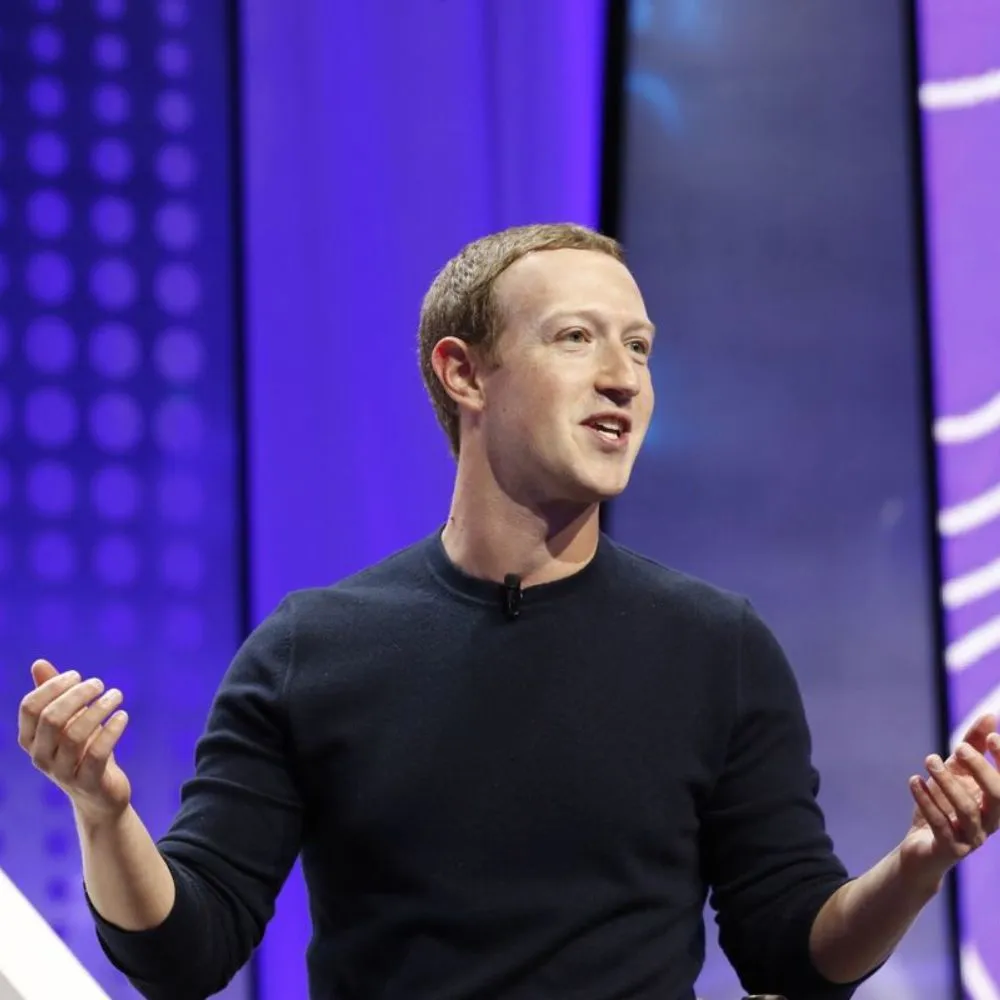 Photo: Mark Zuckerberg, via www.businessoutreach.in
The hearings follow a predictable script: executives offer prepared apologies and vague commitments to do better, while legislators ask questions designed more for social media clips than substantive policy development. The format ensures that both sides achieve their objectives without addressing the underlying issues.
What makes the tech hearings particularly revealing is how little has changed despite years of high-profile testimony. The platforms continue operating according to the same business models, implementing the same algorithmic approaches, and maintaining the same market positions that originally generated concern.
The Satisfaction of Simulation
Congressional hearings survive because they serve important psychological functions for all participants. Legislators can demonstrate their concern for constituent issues without the political risks associated with actual regulatory action. Executives can appear cooperative and transparent while avoiding binding commitments. The media gets dramatic content that generates audience engagement.
Even the public benefits from the illusion of accountability. The hearings provide the emotional satisfaction of seeing powerful figures questioned and challenged, even if no substantive consequences follow. This psychological release reduces pressure for more meaningful reforms.
The format also serves constitutional functions by maintaining the appearance of congressional oversight without actually constraining executive or corporate power. This allows the system to appear functional while avoiding the political conflicts that would accompany genuine accountability measures.
The Information Paradox
The stated purpose of congressional hearings—gathering information for policy development—represents their greatest failure. The format is specifically designed to avoid producing useful information, instead focusing on creating memorable moments and political positioning.
Witnesses prepare extensively to avoid revealing anything significant, while legislators prioritize sound bites over substantive inquiry. The five-minute questioning format ensures that complex issues cannot be explored in depth, while the public nature of the proceedings encourages performance over investigation.
Private depositions or written interrogatories would produce far more useful information for policy purposes, but they lack the theatrical value that makes hearings politically attractive. The choice of format reveals that information gathering is not the actual objective.
Ancient Rituals, Modern Problems
The congressional hearing format echoes ancient practices of public accountability that served different functions in smaller, simpler societies. When community leaders faced direct questioning from those they governed, the format could produce genuine consequences through social pressure and immediate political responses.
Modern congressional hearings retain the ritualistic elements of these ancient practices while operating in a completely different context. The scale of modern government and the complexity of contemporary issues make the traditional format ineffective for its stated purposes while preserving its symbolic functions.
The Persistence of Theater
Congressional hearings will continue serving their current function because they meet the needs of all powerful stakeholders while imposing no real costs on any of them. The format provides the appearance of democratic accountability without its substance, allowing the system to appear responsive while remaining fundamentally unchanged.
The real tragedy is not that congressional hearings fail to hold powerful interests accountable—it's that they prevent more effective forms of oversight by satisfying the public demand for accountability through simulation. The performance of democracy substitutes for its practice, ensuring that the most pressing issues of each era receive theatrical treatment rather than substantive solutions.
Until the public learns to distinguish between the appearance of accountability and its reality, congressional hearings will continue serving as democracy's most successful magic trick: making real oversight disappear while everyone watches.