The Proxy War We Keep Fighting: How Midterms Became America's Substitute Presidential Election
Every two years, America conducts an elaborate exercise in political ventriloquism. Voters cast ballots for House representatives and senators, but political commentators, campaign strategists, and news organizations insist these choices are really about a president who isn't on the ballot. This interpretive framework has become so embedded in American political culture that we've forgotten it was ever a choice.
The Origins of Proxy Interpretation
The Constitution makes no mention of midterm elections serving as presidential referendums. The founders designed a system where representatives would be accountable to their specific constituencies every two years, independent of executive politics. Yet within decades of the republic's founding, political observers began treating off-year elections as barometers of presidential approval.
This interpretive shift wasn't accidental. It emerged from the practical needs of a rapidly expanding democracy trying to understand itself. In an era before scientific polling, midterm results provided the only systematic data about national political sentiment between presidential elections. Party leaders needed ways to gauge their standing, and journalists needed frameworks to explain electoral outcomes to readers.
The 1810 midterms offer an early example of this dynamic. When Republicans lost seats, Federalist newspapers immediately framed the results as repudiation of President Madison's policies. Madison wasn't running, and many of the defeated Republicans had local vulnerabilities unrelated to presidential politics. But the national narrative proved more compelling than district-by-district analysis.
 Photo: Madison, via madisonbaseballassociation.com
This pattern established a crucial precedent: complex electoral outcomes could be simplified into binary judgments about presidential performance. The framework was seductive because it offered clarity in an inherently chaotic system. Instead of analyzing hundreds of separate races with distinct candidates, issues, and circumstances, observers could reduce everything to a single question: do voters approve of the president?
The Media's Investment in Simplification
Modern media organizations have institutional incentives to maintain this interpretive framework, even when it obscures more than it reveals. Presidential narratives generate higher engagement than local political coverage. Viewers and readers respond more strongly to stories about national figures they recognize than to analyses of state legislative races or municipal elections.
Consider the difference in coverage between "Republicans gain 12 House seats" versus "Voters reject Biden's agenda." The first headline requires readers to interpret significance for themselves. The second provides pre-packaged meaning that connects to existing narratives about presidential politics.
This tendency intensifies in the digital media environment, where click-through rates and social media engagement drive revenue. Content about presidential politics consistently outperforms coverage of congressional races, creating economic pressure to frame midterm results through presidential lenses regardless of analytical accuracy.
The result is systematic distortion of what midterm elections actually measure. A representative who loses because of a local corruption scandal becomes evidence of presidential weakness. A candidate who wins by focusing on infrastructure improvements gets credited to presidential coattails. The actual reasons voters made their choices disappear beneath layers of national political interpretation.
The Strategic Benefits of Proxy Warfare
Political parties actively encourage this interpretive framework because it serves their strategic interests. For the opposition party, midterm elections become opportunities to wage proxy campaigns against a president they cannot directly challenge for two more years. Instead of defending their own policy positions, they can focus entirely on attacking presidential performance.
This dynamic was particularly visible in the 2018 midterms, when Democratic candidates across the country ran campaigns that functioned as extended arguments against Donald Trump's presidency. Local issues took secondary roles to national political narratives. Candidates who might have struggled to articulate positions on municipal governance or state-level policy could instead focus on presidential criticism that required no specialized knowledge.
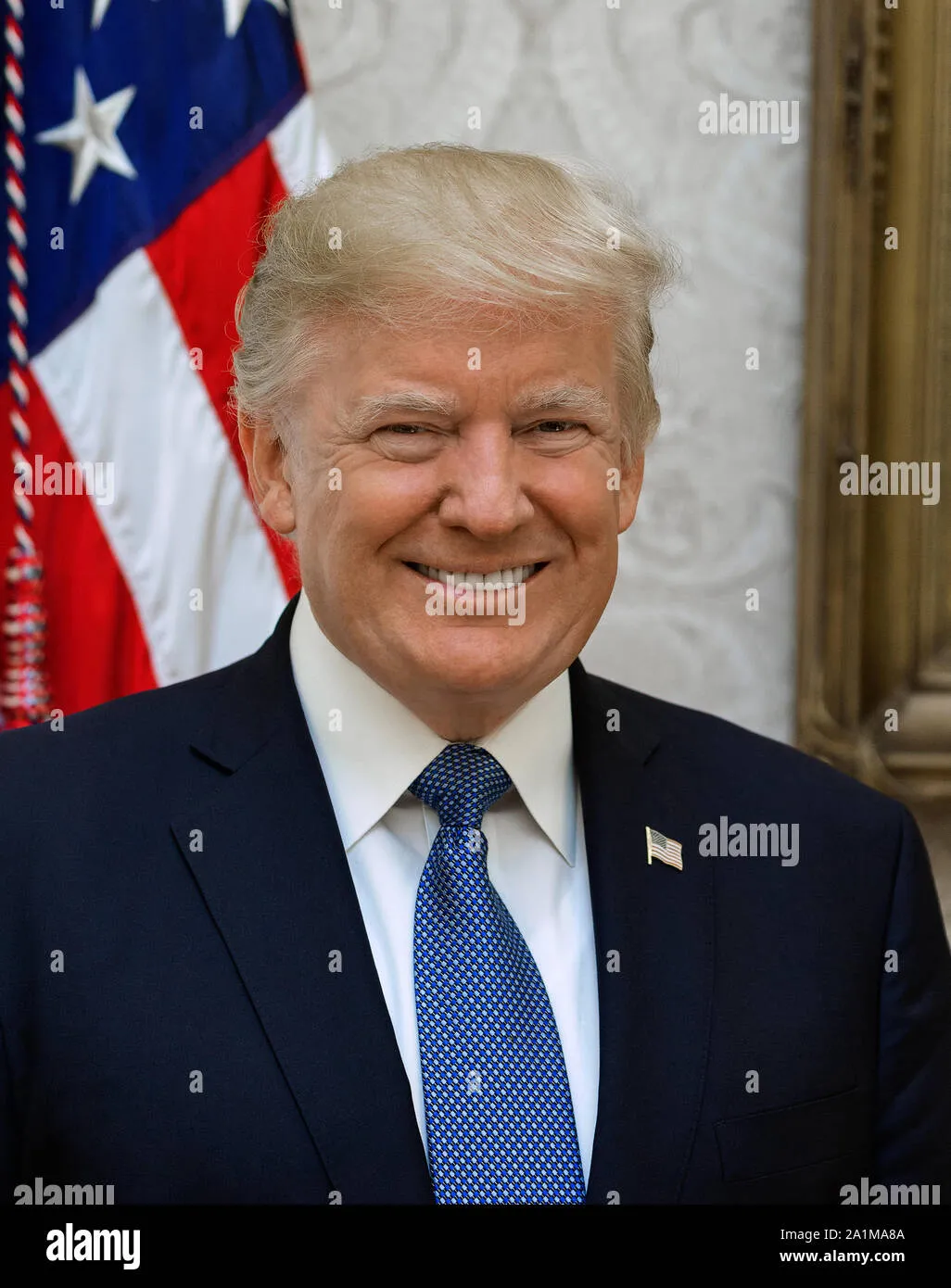 Photo: Donald Trump, via c8.alamy.com
The president's party faces different incentives but reaches similar conclusions. Defending the president becomes a way to avoid taking positions on local controversies or policy specifics. A Republican candidate in 2018 could frame their campaign around supporting Trump rather than explaining their position on healthcare, immigration, or economic policy.
Both strategies reflect the same underlying calculation: presidential politics are easier to communicate than governing specifics. Voters have opinions about presidents based on constant media coverage. They may have no opinions about state transportation funding or county commissioner races. Proxy presidential campaigns allow candidates to mobilize existing voter sentiments rather than educating constituents about local issues.
The Information Lost in Translation
This interpretive framework systematically obscures crucial information about American political preferences. When every midterm becomes a presidential referendum, we lose insight into what voters actually want from their direct representatives.
Local infrastructure needs disappear beneath national political narratives. School funding debates get subsumed into broader arguments about federal spending. Environmental concerns become proxies for presidential energy policy rather than distinct regional issues requiring specific solutions.
The 2010 midterms illustrate this dynamic clearly. Republicans gained 63 House seats, and political observers immediately interpreted the results as rejection of Barack Obama's presidency. But district-level analysis revealed more complex patterns. Many winning Republican candidates had focused on local economic concerns, opposition to specific federal programs, or personal characteristics unrelated to presidential politics.
The Tea Party movement itself reflected this complexity. While national media framed it as anti-Obama organizing, local Tea Party groups often focused on fiscal issues, constitutional interpretation, and opposition to both Republican and Democratic incumbents. Reducing this to presidential approval missed the movement's actual motivations and policy priorities.
The Perpetual Campaign's Feedback Loop
The proxy interpretation of midterm elections has created a self-reinforcing cycle that distorts both campaigns and governance. Candidates learn to run national campaigns for local offices because that's what media coverage rewards and what simplified voter decision-making seems to require.
This dynamic transforms representatives into presidential surrogates rather than independent actors accountable to specific constituencies. A House member from rural Montana and one from urban California face pressure to take identical positions on presidential politics despite representing completely different communities with distinct needs and preferences.
The feedback loop extends to governance itself. Representatives who understand their electoral success depends on presidential performance have reduced incentives to develop independent policy expertise or build bipartisan coalitions. Their political survival depends on presidential approval ratings rather than legislative effectiveness or constituent service.
This creates what political scientists call "nationalization" of local politics — the gradual erosion of distinct regional political cultures in favor of uniform partisan identities tied to presidential politics. The result is a political system increasingly incapable of addressing problems that require local knowledge, bipartisan cooperation, or long-term thinking beyond presidential election cycles.
The Democracy We're Not Having
The transformation of midterm elections into presidential referendums represents a fundamental shift in how American democracy functions. Instead of 435 separate conversations between representatives and their constituents, we conduct one national conversation about presidential performance.
This shift serves the interests of media organizations, party strategists, and candidates who benefit from simplified narratives. It does not serve the interests of voters trying to influence policy outcomes in their communities or representatives trying to address local problems that require federal resources or regulatory changes.
The long game reveals a troubling pattern: American democracy has developed interpretive frameworks that make local self-governance more difficult while making national political theater more compelling. We've chosen entertainment over effectiveness, narrative clarity over analytical accuracy.
Every two years, we have an opportunity to restore the constitutional vision of midterm elections as independent accountability mechanisms. Every two years, we choose instead to fight proxy wars about presidents who aren't running. The pattern persists because changing it would require acknowledging that our current approach serves everyone except the voters whose choices we claim to be interpreting.