The Whig Warning That Nobody Heeded
The Whig Party's final presidential nomination in 1852 should have served as a permanent warning about the dangers of coalition politics in American democracy. Faced with irreconcilable differences over slavery, the Whigs nominated Winfield Scott—a candidate acceptable to enough factions to win the nomination but trusted by too few to hold the party together.
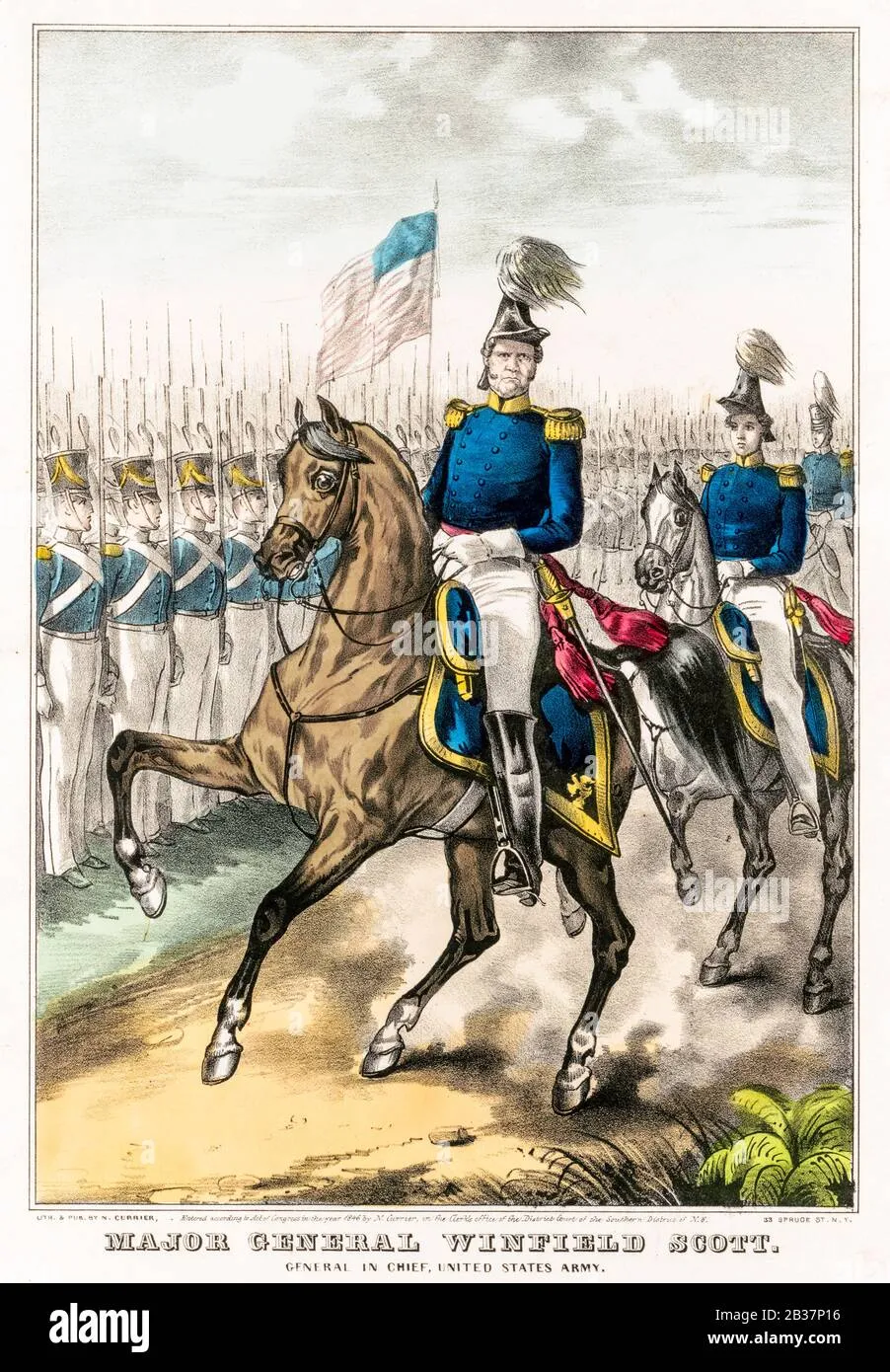 Photo: Winfield Scott, via c8.alamy.com
Scott's crushing defeat to Franklin Pierce wasn't the cause of the Whig Party's collapse—it was the symptom. The coalition had already fractured during the nomination fight. The general election simply made the divorce official.
Yet American political parties have spent the subsequent 170 years repeating variations of the same mistake, convinced each time that the right candidate can paper over fundamental ideological contradictions that have moved beyond the reach of political compromise.
The Mathematics of Coalition Breakdown
Political coalitions operate according to mathematical principles that campaign strategists consistently ignore. A coalition requires overlapping interests among its component groups, but successful coalitions inevitably expand beyond their original ideological boundaries to capture electoral majorities.
This expansion creates a predictable problem: the larger the coalition becomes, the less its constituent parts actually agree on. Eventually, the coalition reaches a tipping point where adding one more faction requires positions that alienate existing members.
American political parties repeatedly nominate candidates at precisely this tipping point—leaders who represent the coalition's maximum possible expansion and therefore its imminent collapse.
The Lincoln Precedent: When Winning Breaks Everything
Abraham Lincoln's 1860 nomination illustrates how a party can simultaneously achieve its greatest triumph and guarantee its own transformation. Lincoln united enough Republican factions to win the presidency while representing positions that made peaceful coexistence with Democratic opponents impossible.
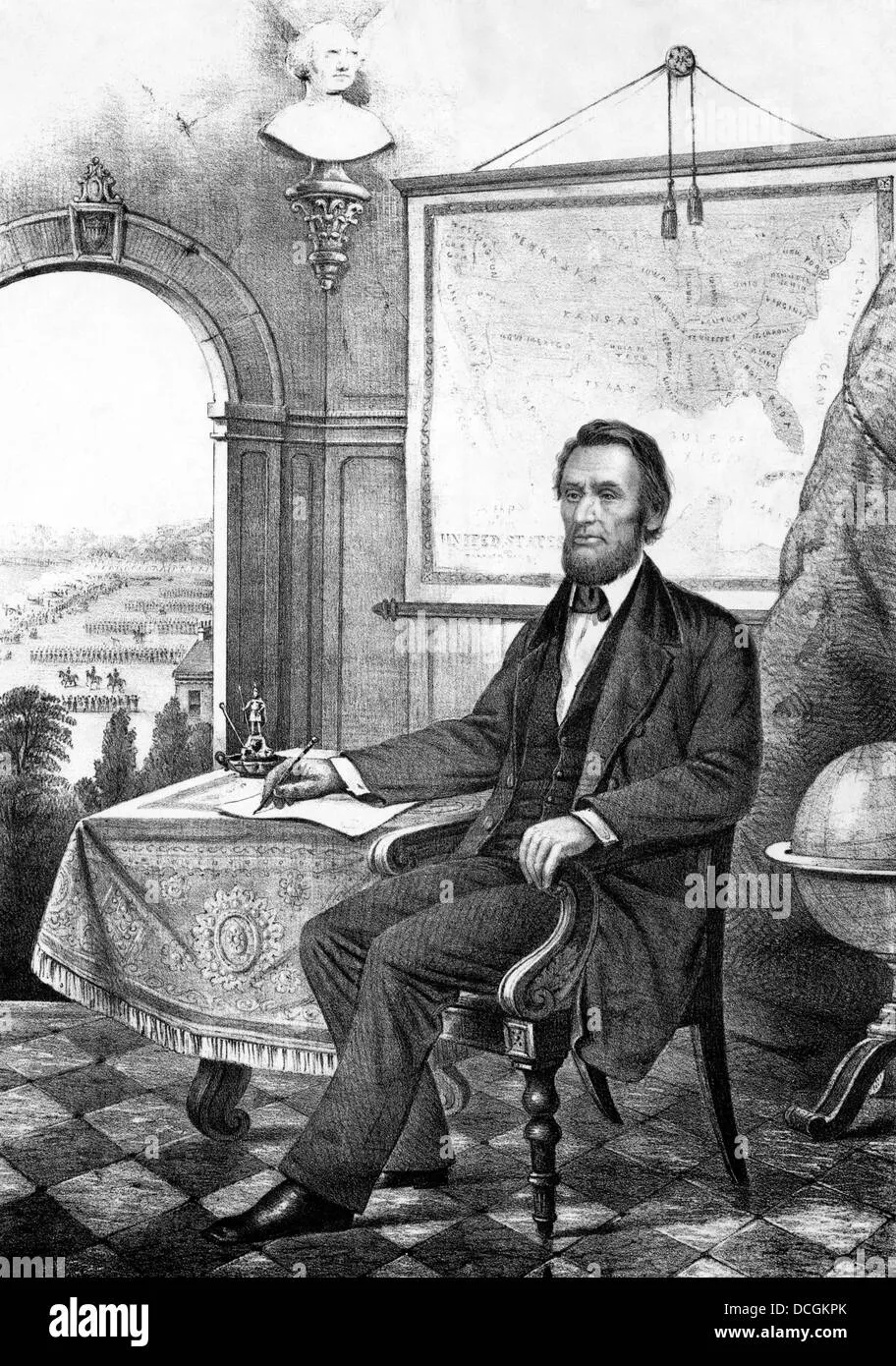 Photo: Abraham Lincoln, via c8.alamy.com
The Republican victory of 1860 didn't just defeat the Democrats—it shattered the entire framework of American political competition. The party that won the election triggered a civil war, redefined federal authority, and created a political system that bore little resemblance to the one that had produced Lincoln's nomination.
Lincoln succeeded as president precisely because he destroyed the political coalition that elected him, replacing it with a wartime coalition built on entirely different premises.
The New Deal's Hidden Fracture
Franklin Roosevelt's 1932 coalition appeared to solve the problem of party unity through ideological breadth. The New Deal brought together urban labor, rural farmers, Southern whites, and Northern minorities in what seemed like a permanent Democratic majority.
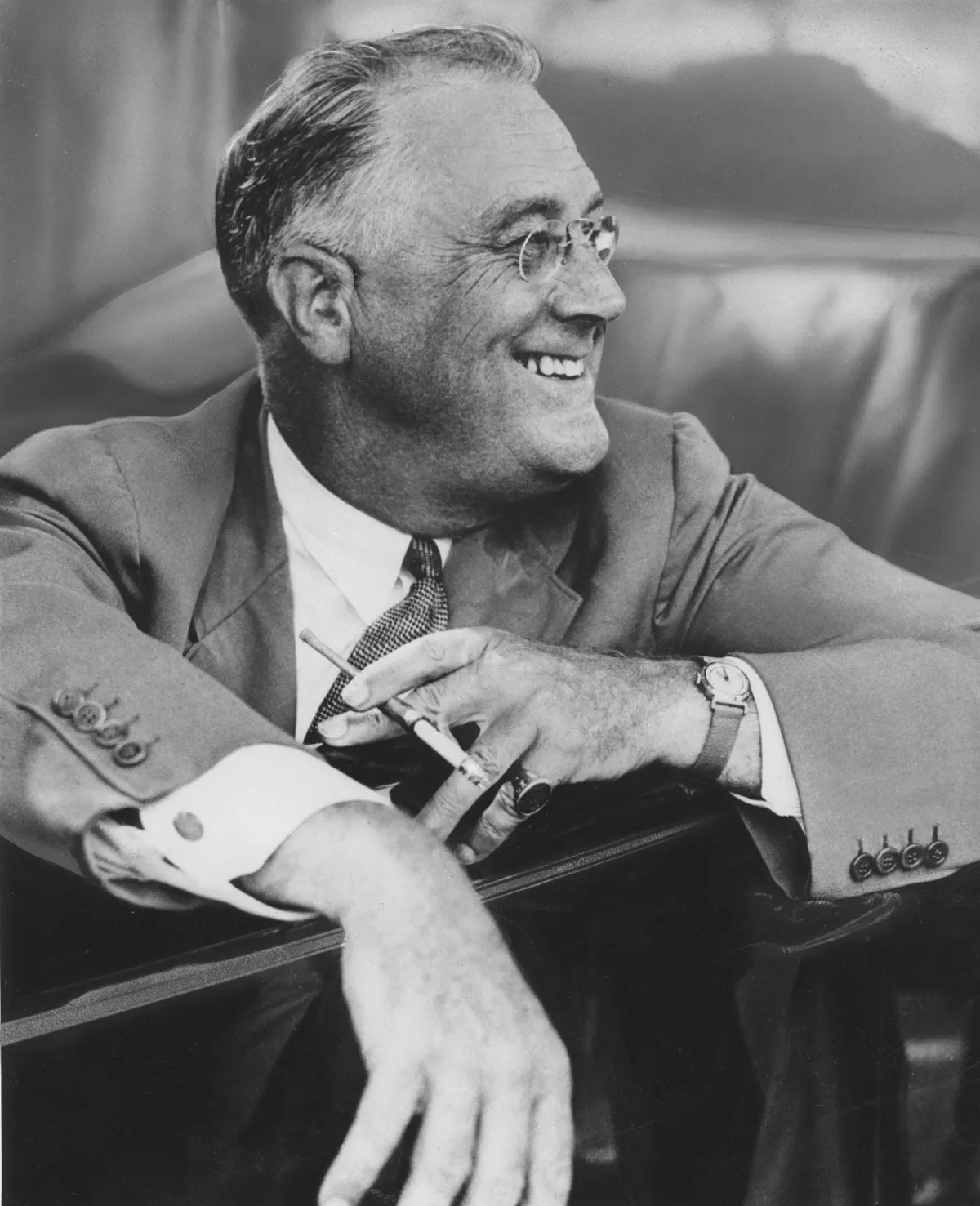 Photo: Franklin Roosevelt, via cdn.britannica.com
But Roosevelt's success contained the seeds of the coalition's eventual destruction. The same federal programs that united these groups economically created cultural and political tensions that would eventually prove irreconcilable. The party that dominated American politics for a generation was building its own opposition from within.
By the 1960s, the tensions between the New Deal coalition's civil rights agenda and its Southern base created exactly the kind of fundamental contradiction that had destroyed the Whigs a century earlier.
The Technology of Modern Fragmentation
Contemporary American politics has accelerated the coalition breakdown cycle through technological changes that make ideological contradictions harder to conceal. Social media platforms reward the kind of ideological purity that makes broad coalitions impossible to maintain.
Primary elections, originally designed to democratize party nominations, have become mechanisms for exposing and amplifying the contradictions within party coalitions. Candidates must satisfy increasingly incompatible demands from different factions, creating nominees who win by promising things that cannot simultaneously be delivered.
The same communication technologies that allow parties to reach broader audiences also make it impossible to deliver different messages to different constituencies—the traditional method for managing coalition tensions.
The Outsider's Advantage Becomes the Insider's Curse
American political parties have developed a particular weakness for nominating outsiders who promise to transcend traditional factional boundaries. These candidates appeal to party leaders precisely because they haven't been forced to choose sides in existing internal conflicts.
But outsider candidates who successfully win nominations often discover that governing requires exactly the kind of factional choices they promised to avoid. The same independence that made them attractive nominees makes them ineffective party leaders.
The party that nominates the outsider gets a president who cannot hold the coalition together because they never understood what held it together in the first place.
The Historical Inevitability of Realignment
American political history reveals a consistent pattern: major party realignments occur not when coalitions gradually evolve but when they suddenly collapse under the weight of their own contradictions. The nomination fight that finally breaks the party is usually the one where the stakes have become too high for compromise.
The Whigs collapsed when slavery could no longer be finessed. The New Deal coalition fractured when civil rights could no longer be postponed. Each breakdown followed the same pattern: a coalition that had successfully managed its internal contradictions suddenly faced an issue that made those contradictions impossible to ignore.
The Primary System's Unintended Consequences
The modern primary system, designed to make party nominations more democratic, has made coalition management more difficult. Primary voters tend to be more ideologically committed than general election voters, creating pressure for candidates to take positions that appeal to the base but alienate swing constituencies.
This dynamic ensures that nominees often win by satisfying the most committed members of existing factions rather than by building bridges between them. The result is candidates who are simultaneously too extreme for general elections and too compromised for their own supporters.
The Paradox of Democratic Choice
The recurring pattern of self-destructive nominations reveals a fundamental paradox in democratic theory: the same process that gives voters the power to choose their leaders also gives them the power to choose leaders who will destroy the coalitions that elected them.
American political parties cannot solve this problem through better candidate selection because the problem is built into the logic of coalition politics itself. Any coalition broad enough to win national elections will eventually contain contradictions that cannot be resolved through normal political processes.
The party that finally nominates the candidate who breaks everything isn't making a mistake—it's reaching the mathematical endpoint of its own success. Understanding this pattern won't prevent future coalition collapses, but it might help Americans recognize that the breakdown isn't a failure of the system—it's how the system actually works.