Glory's Expiration Date: The Republic's Unsolvable Hero Problem
The Manufacturing of Necessity
Republics create military heroes out of survival instinct, not choice. When existential threats demand extraordinary leadership, democratic societies temporarily suspend their skepticism of concentrated power and elevate commanders to mythic status. The process works beautifully for winning wars—and catastrophically for everything that comes after.
The American experience with this dilemma spans from the Revolution to the War on Terror, but the underlying dynamic predates the Constitution by millennia. The Roman Republic faced identical challenges with victorious generals who returned home to find that peacetime offered no stage worthy of their wartime heroism. The pattern suggests something structural about how democratic societies process glory, not merely a series of individual character failures.
The Context That Creates Legends
War provides military leaders with perfect clarity: the mission is existential, the authority is unquestioned, and success is measurable. Ulysses Grant's genius was perfectly suited to the binary demands of total war—destroy the Confederate army's capacity to fight, regardless of cost or convention. The nation needed that ruthlessness, celebrated it, and elevated Grant to a status that transcended normal political categories.
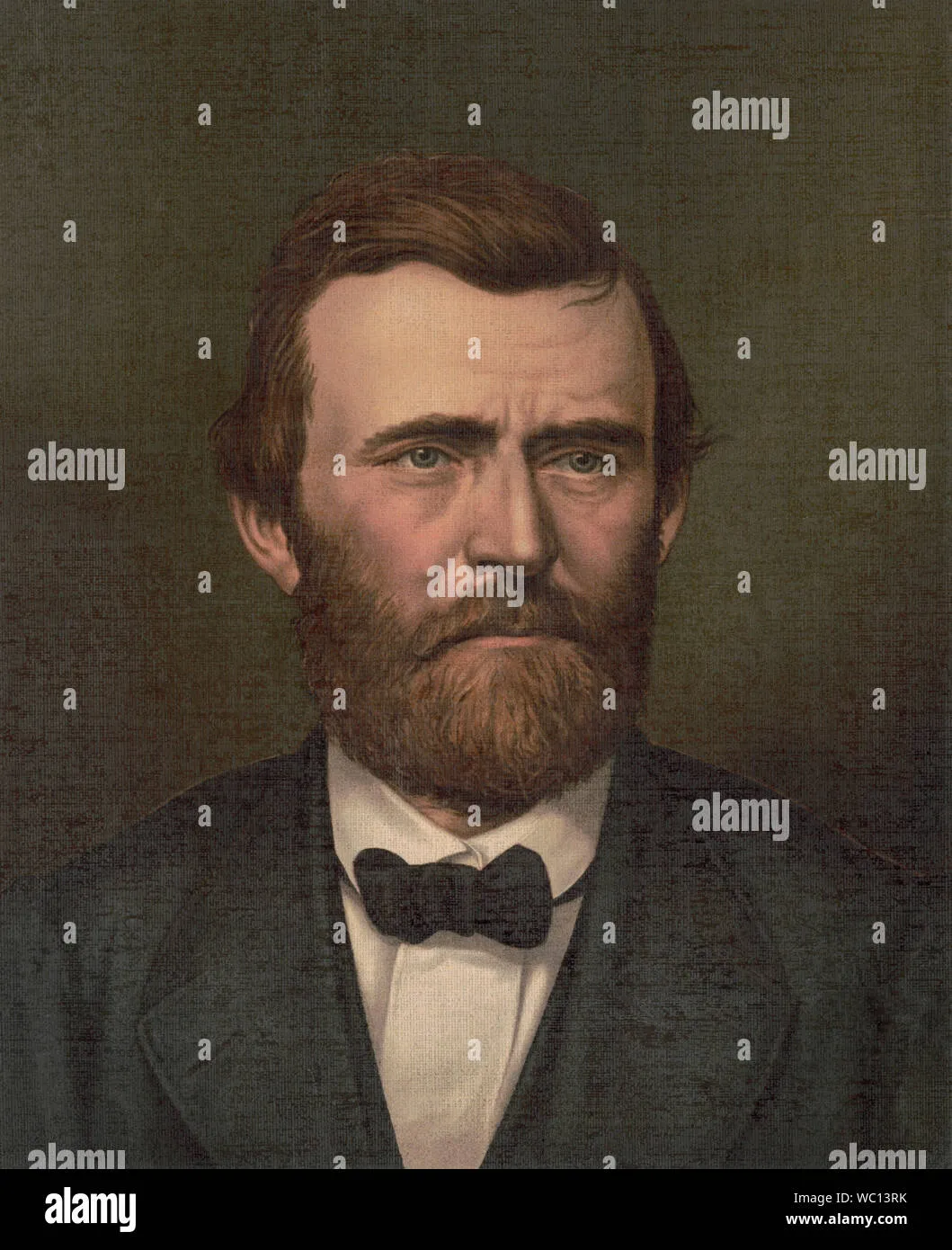 Photo: Ulysses Grant, via c8.alamy.com
But peacetime operates by different rules. The clarity that made Grant a military legend became a liability in the White House, where problems rarely yielded to direct assault and where political enemies could not be defeated through superior logistics. Grant's presidency became a case study in how wartime virtues translate poorly to civilian governance, yet the pattern would repeat with depressing regularity.
The Peacetime Translation Problem
Douglas MacArthur embodied this translation problem in its purest form. His Pacific Theater leadership during World War II established him as one of history's great military strategists, capable of managing complex coalitions across vast distances while maintaining the theatrical presence that modern warfare increasingly demanded. MacArthur understood that twentieth-century military leadership required performance as much as tactical brilliance.
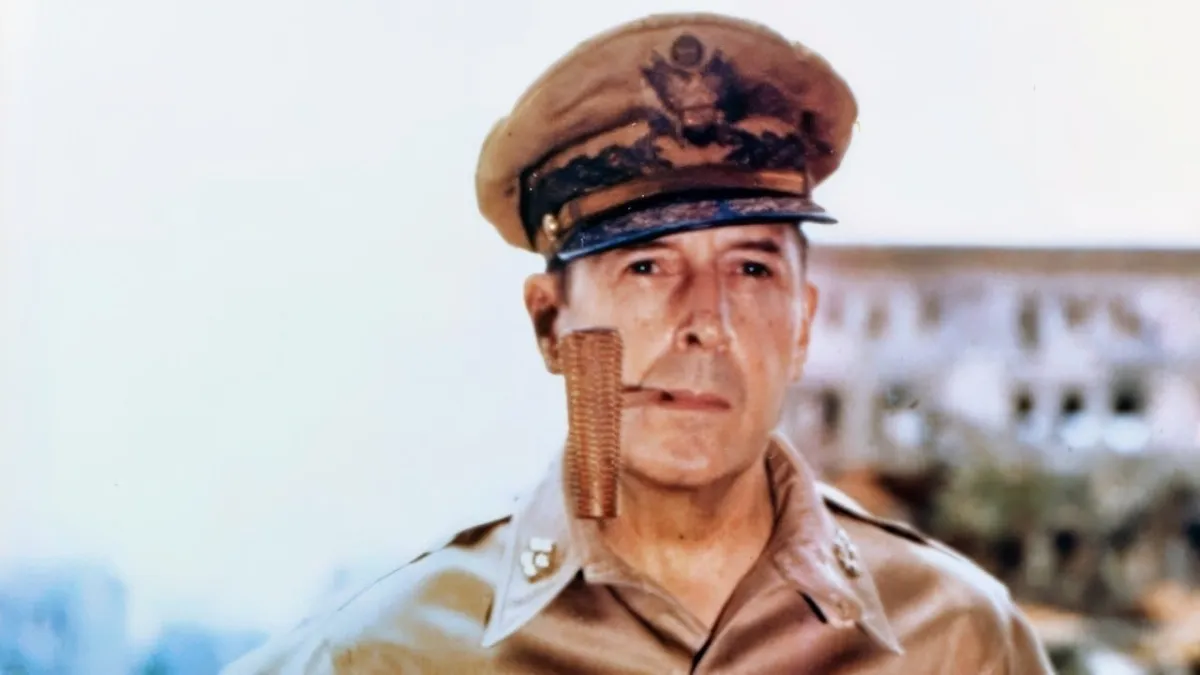 Photo: Douglas MacArthur, via www.19fortyfive.com
Yet the same theatrical instincts that served him well in wartime became politically toxic when applied to peacetime governance. MacArthur's public disputes with Truman over Korean War strategy reflected not personal arrogance but a fundamental misunderstanding of how authority operates in democratic systems. The general who could reshape entire theaters of war discovered that peacetime offered no equivalent stage for his particular form of leadership.
The Digital Age Amplification
The twenty-first century has not solved this ancient problem—it has amplified it through technology that makes military heroism more visible and peacetime failures more public. David Petraeus represented the pinnacle of modern military leadership: intellectually sophisticated, media-savvy, and politically astute enough to navigate Washington's complex bureaucracies while managing counterinsurgency campaigns in Iraq and Afghanistan.
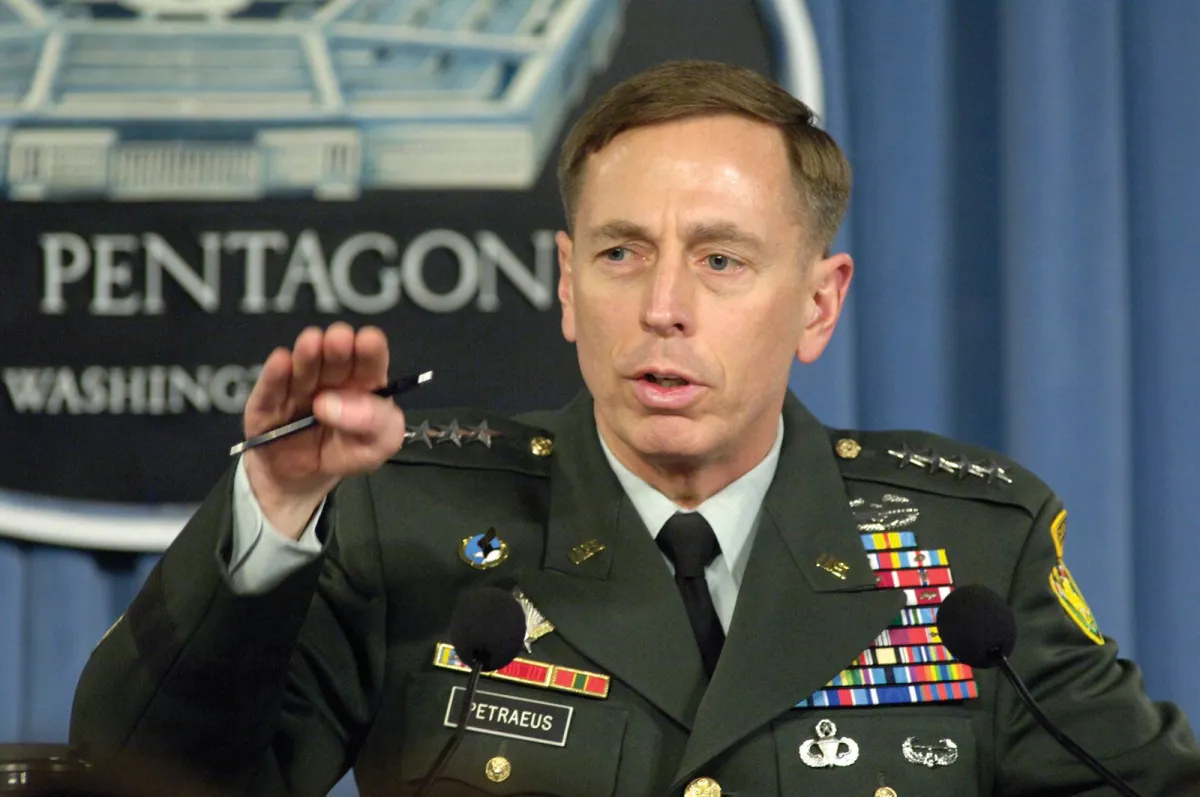 Photo: David Petraeus, via cdn.britannica.com
Petraeus seemed to represent evolution beyond the traditional hero problem. His academic credentials and policy expertise suggested he had solved the translation challenge that defeated previous military leaders. Yet his post-military career followed the same trajectory as his predecessors, ending in scandal and irrelevance once the context that created his legend disappeared.
The Structural Impossibility
The pattern persists because it reflects a structural impossibility rather than individual failings. Democratic societies need military heroes during existential crises, but they cannot provide those heroes with equivalent peacetime roles. The qualities that make someone effective at winning wars—decisive leadership, comfort with hierarchy, willingness to accept casualties for strategic objectives—translate poorly to the compromise and consensus-building that peacetime governance requires.
This creates what historians have termed the "Cincinnatus problem," after the Roman dictator who famously returned to his farm after saving the republic. The Cincinnatus model assumes that great military leaders can simply return to private life, but this ignores the psychological and social dynamics that wartime heroism creates. The society that elevates someone to mythic status cannot simply expect them to disappear when the crisis passes.
The Celebrity Solution That Failed
The modern era attempted to solve this problem by creating celebrity culture as an alternative outlet for military heroes. The theory was that peacetime media attention could provide the recognition and platform that former military leaders required without giving them actual political power. This approach worked temporarily for figures like Colin Powell, who translated military credibility into media prominence and diplomatic influence.
But celebrity status proved an inadequate substitute for the authority and purpose that military command provides. Media attention without real power often frustrated military heroes more than obscurity, leading to increasingly desperate attempts to remain relevant through controversial statements or political involvement that damaged their reputations and credibility.
The Republic's Eternal Dilemma
The fundamental problem remains unsolved because it may be unsolvable. Republics require military heroes during existential crises, but they cannot safely maintain those heroes once the crisis passes. The society needs the legend more than the legend needs a postwar role, creating an imbalance that consistently produces disappointment and often scandal.
This dynamic explains why American military heroes so often end their careers in controversy or irrelevance rather than continued service. It is not that military leadership attracts flawed individuals—it is that democratic societies create heroes they cannot sustain and legends they cannot safely preserve.
The Pattern Continues
The cycle will repeat because the underlying dynamics have not changed. Future crises will create new military heroes, and those heroes will face the same impossible translation to peacetime relevance that has defeated their predecessors for millennia. The republic's hero problem is not a bug in the system—it is a feature of how democratic societies manage existential threats while preserving civilian control of government.
Until someone solves the fundamental question of what democracies do with their legends when the shooting stops, the pattern will continue: wartime heroism followed by peacetime irrelevance, with the occasional scandal to remind everyone why the founders worried about standing armies in the first place.