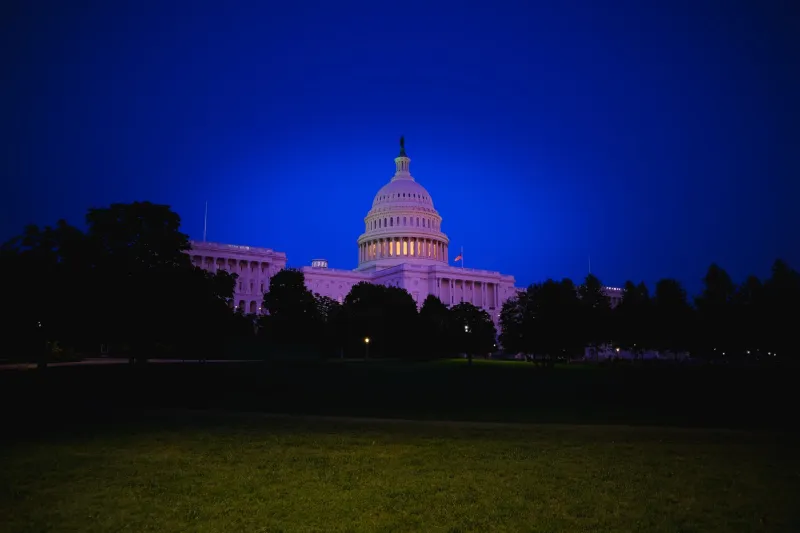
Political Zombies: When American Leaders Rise From Their Own Graves

The Premature Funeral Procession
In September 1952, Richard Nixon stood before television cameras to deliver what many assumed would be his political eulogy. The "Checkers Speech" was supposed to be damage control, a desperate attempt to salvage his place on Eisenhower's ticket after allegations of improper campaign financing. Political observers had already written him off. The Washington establishment had moved on. Twenty years later, he would occupy the Oval Office.
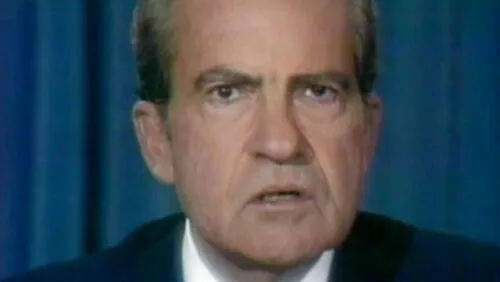 Photo: Richard Nixon, via cropper.watch.aetnd.com
This pattern—the premature political funeral followed by an improbable resurrection—represents one of American democracy's most reliable features. Not a bug, but a deliberate design element that rewards persistence over dignity and endurance over grace.
The Structural Advantage of the Written-Off
Consider the psychological mechanics at play. A leader declared politically dead operates with a unique form of freedom. Expectations vanish. Opposition research shifts to more viable targets. The press moves on to fresher stories. In this vacuum of attention, the supposedly finished politician can rebuild, recalibrate, and return when circumstances shift.
Harry Truman understood this dynamic better than most. By 1948, his approval ratings had cratered. The Democratic Party fractured into three pieces. Thomas Dewey's victory seemed so certain that newspapers printed the famous "DEWEY DEFEATS TRUMAN" headline before votes were fully counted. Truman's political obituary had been written by everyone except Truman himself.
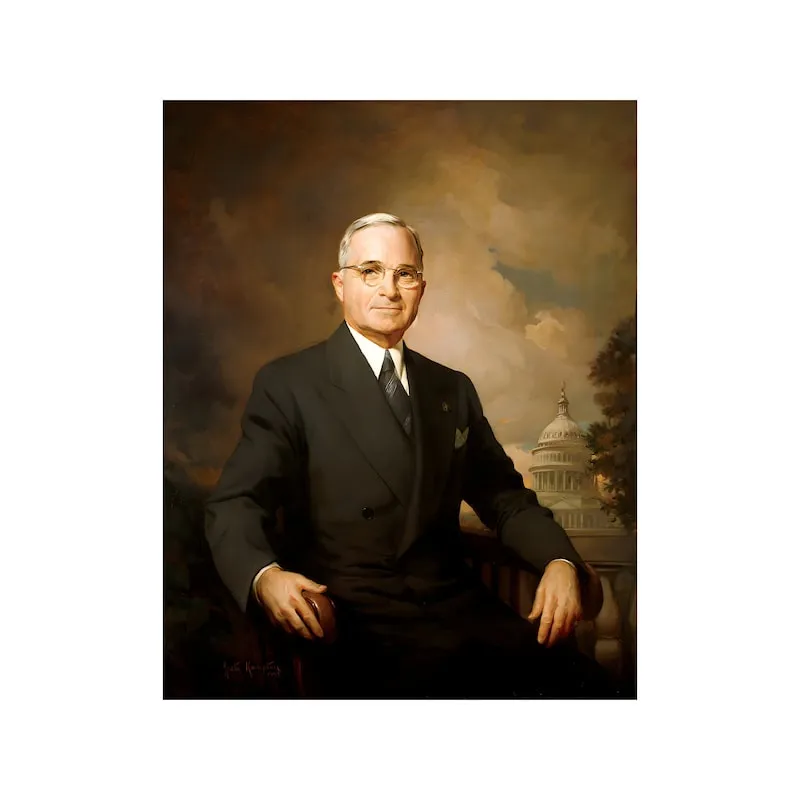 Photo: Harry Truman, via i.etsystatic.com
The president spent that campaign year behaving like a man with nothing to lose—because according to conventional wisdom, he had already lost everything. He attacked Congress with unprecedented directness. He took positions his advisors considered politically suicidal. He campaigned with the desperation of someone whose career was already over.
This freedom proved decisive. Voters responded to authenticity born of apparent hopelessness. The man everyone had buried delivered one of American history's greatest electoral upsets.
The Comeback Kid Mythology
Bill Clinton perfected the art of political resurrection so thoroughly that "Comeback Kid" became his unofficial title. But Clinton's talent lay not in avoiding political death, but in recognizing that American voters have always been attracted to leaders who rise from their own ashes.
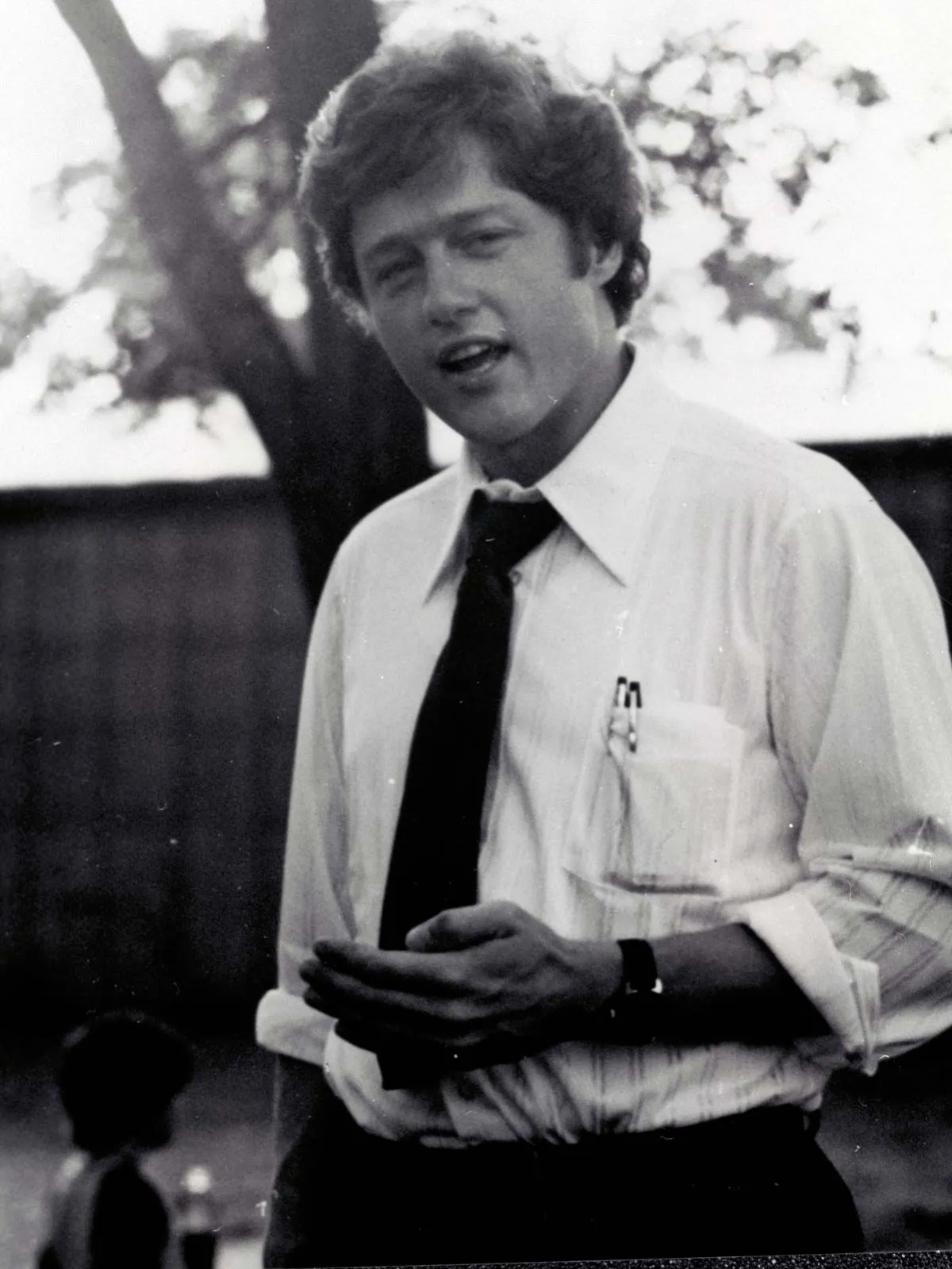 Photo: Bill Clinton, via cdn.britannica.com
The 1992 New Hampshire primary should have ended Clinton's presidential ambitions. The Gennifer Flowers allegations, combined with questions about Vietnam-era draft avoidance, created what political professionals call a "death spiral." Campaign funds dried up. Endorsements evaporated. Staff began updating their résumés.
Clinton's response revealed deep intuition about American political psychology. Instead of defensive damage control, he embraced the role of the wounded fighter. His second-place finish in New Hampshire—a loss by any objective measure—became a narrative victory through sheer force of reframing.
The Institutional Rewards for Persistence
American political institutions structurally reward leaders who refuse to accept their own irrelevance. The federal system creates multiple pathways back to power. A governor written off nationally can rebuild credibility through state-level success. A senator dismissed by presidential campaigns retains six years to craft a comeback. A House member can survive scandal after scandal simply by maintaining local support.
This institutional design reflects the Founders' understanding of human nature. They knew that political careers would experience dramatic swings between triumph and disaster. The system they created assumes that today's pariah might be tomorrow's statesman—and vice versa.
John McCain's career exemplifies this dynamic. His 2000 presidential campaign imploded so spectacularly that political professionals declared him finished. By 2008, he had secured the Republican nomination. The intervening years weren't spent in exile but in methodical rehabilitation, building relationships and waiting for circumstances to shift.
The Graveyard of Premature Obituaries
Political history is littered with confident predictions of permanent irrelevance. Lyndon Johnson was finished after his disastrous 1960 presidential campaign—until Kennedy needed a Southern running mate. Ronald Reagan was too old and too conservative to win a general election—until Carter's failures created an opening for exactly Reagan's message.
Even Nixon's actual resignation in 1974 wasn't the end. He spent the following decades rebuilding his reputation as an elder statesman, ultimately achieving a form of rehabilitation that seemed impossible during Watergate's darkest moments.
The Patience of the Politically Dead
What separates successful political resurrections from permanent failures is understanding that American politics operates on longer cycles than daily news coverage suggests. The leader declared dead today might find vindication in next year's crisis, next decade's shift in public mood, or the next generation's historical reassessment.
This patience requires a specific form of courage—the willingness to endure public humiliation while maintaining private conviction that circumstances will eventually change. It demands faith in the American system's capacity for second acts, third acts, and beyond.
The Long Game of Political Survival
The lesson for contemporary politics is clear: in a system designed for comebacks, the only truly fatal mistake is accepting your own obituary as accurate. American democracy rewards those who understand that today's conventional wisdom becomes tomorrow's historical footnote, and that the patient politician who refuses to stay buried often lives to attend the funerals of those who declared him dead.