Words That Shook Nothing: The Myth of Presidential Rhetoric as Historical Force
The Gettysburg Address Nobody Noticed
Abraham Lincoln's Gettysburg Address is routinely cited as American oratory's finest moment, a speech so powerful it redefined the war's moral purpose and galvanized Union resolve. The historical record tells a more sobering story: most newspapers barely covered the event, the crowd's response was polite but hardly ecstatic, and Lincoln himself worried that his brief remarks had fallen flat.
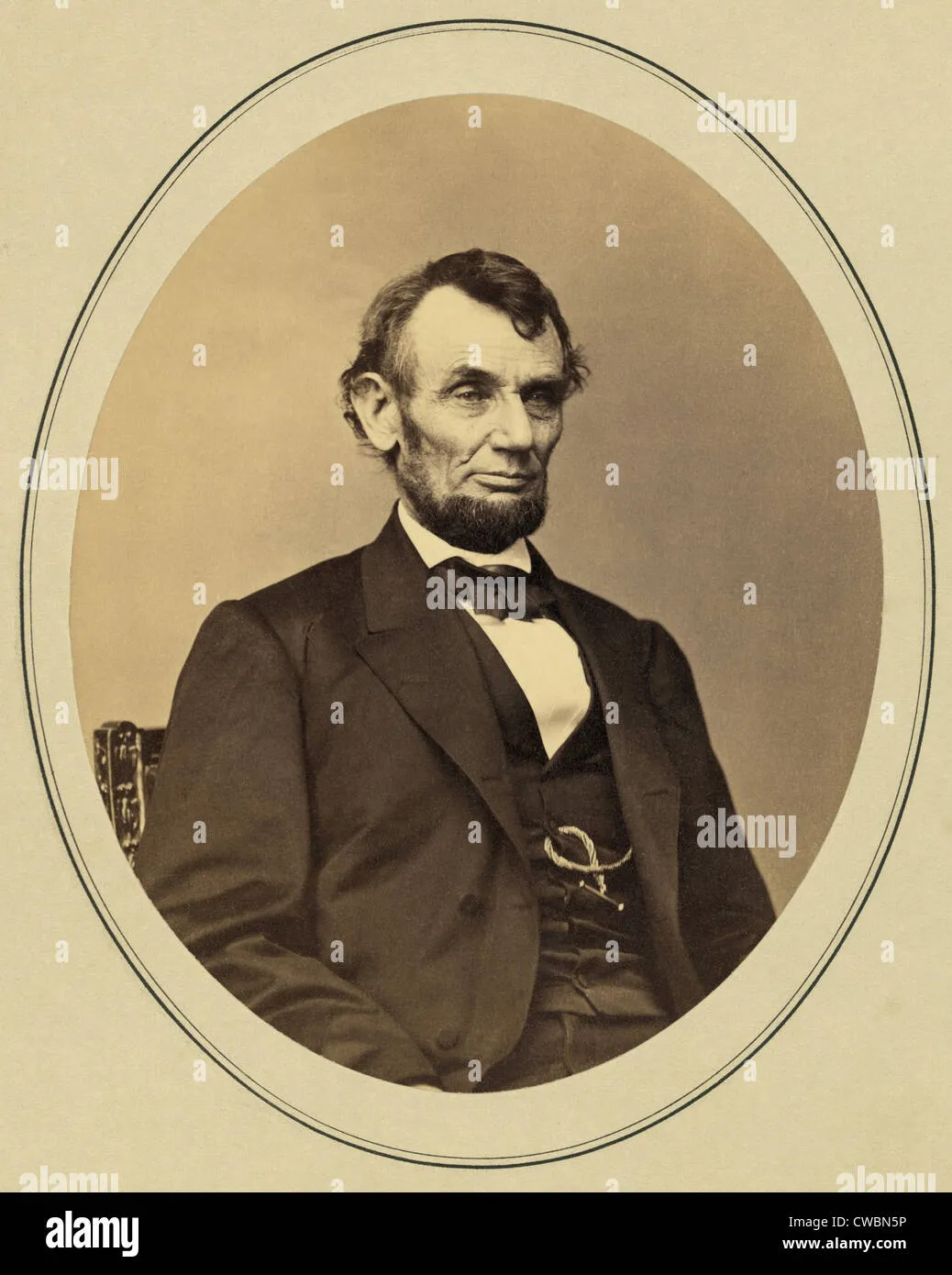 Photo: Abraham Lincoln, via c8.alamy.com
The Chicago Times dismissed the speech as "silly, flat, and dishwatery." The Harrisburg Patriot-News called it a failure. Even friendly coverage focused more on the ceremony's other speakers than on Lincoln's two-minute contribution. The Address gained legendary status decades later, when historians and textbook writers needed a clean narrative about leadership and moral clarity.
This gap between mythical impact and measurable effect characterizes virtually every speech historians have elevated to world-changing status. The words we remember as pivotal moments of persuasion typically persuaded no one who wasn't already convinced.
FDR's Fireside Chats: Preaching to the Choir
Franklin Roosevelt's fireside chats represent the gold standard for presidential communication, credited with calming national panic and building support for New Deal policies. Roosevelt's mastery of radio is undeniable, but the chats' actual persuasive power has been vastly overstated.
Polling data from the 1930s reveals that Roosevelt's radio addresses primarily reinforced existing opinions rather than changing minds. Democrats who already supported the president found the chats reassuring. Republicans who opposed him remained skeptical. The vast middle ground of genuinely persuadable voters shifted only marginally, if at all.
More tellingly, Roosevelt's approval ratings followed economic indicators far more closely than they tracked his speaking schedule. When unemployment fell, his popularity rose regardless of rhetorical strategy. When economic conditions deteriorated, even his most eloquent appeals failed to arrest declining support.
The fireside chats succeeded not because they converted opponents but because they energized supporters and provided a framework for understanding complex policies. This distinction matters enormously for understanding how presidential communication actually functions versus how we imagine it works.
The Berlin Wall That Rhetoric Didn't Topple
Ronald Reagan's 1987 "tear down this wall" speech at Brandenburg Gate has become shorthand for the power of presidential rhetoric to shape global events. The speech is routinely credited with accelerating the Berlin Wall's fall and hastening the Soviet Union's collapse.
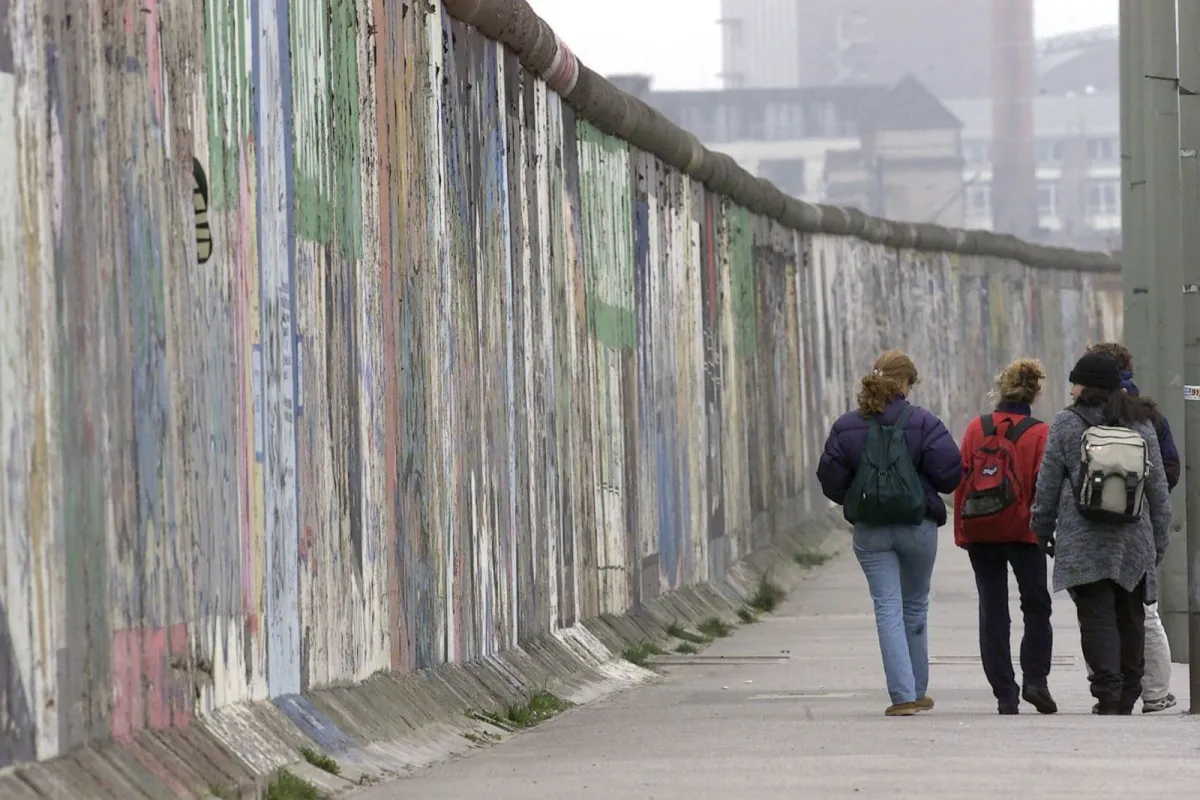 Photo: Berlin Wall, via abcnews.go.com
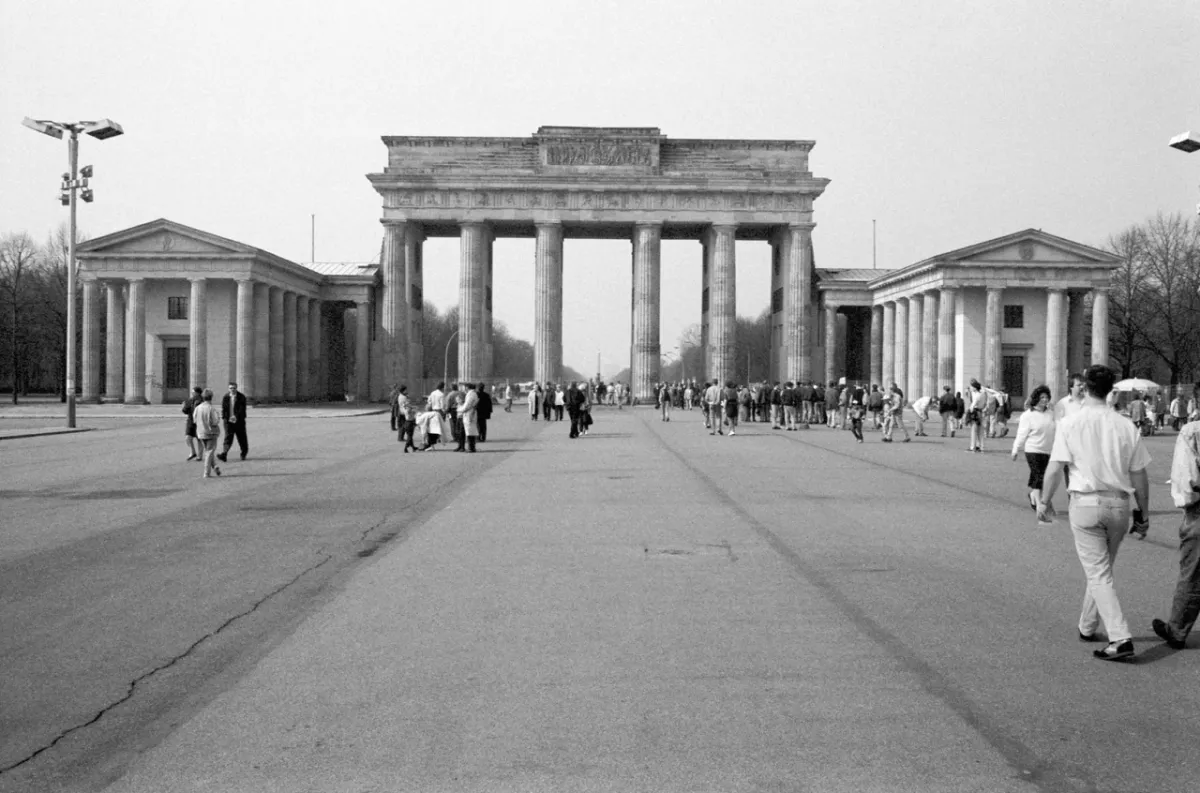 Photo: Brandenburg Gate, via 64.media.tumblr.com
Contemporary coverage tells a different story. Major newspapers treated the speech as routine diplomatic theater. European allies dismissed Reagan's rhetoric as unhelpful grandstanding. Soviet officials ignored it entirely. Even Reagan's own staff had low expectations for the address, viewing it primarily as domestic political positioning.
The Berlin Wall fell two years later due to internal Soviet political dynamics, East German economic pressures, and miscommunicated government policies—not because Reagan's words had somehow weakened concrete and barbed wire. The causal relationship between speech and outcome was constructed retrospectively by observers who needed to explain complex geopolitical changes through simpler narratives about leadership and rhetoric.
This pattern—dramatic speech followed by unrelated positive outcome, later connected by historians seeking clean causation—appears throughout the presidential communication canon.
JFK's Inaugural: Style Over Substance
John Kennedy's inaugural address, with its memorable "ask not" formulation, is remembered as a generational call to public service that inspired countless Americans to dedicate their lives to civic engagement. The speech's immediate impact was far more modest.
Congressional voting patterns before and after the inaugural show no meaningful shift toward Kennedy's legislative priorities. Public opinion surveys detected no surge in support for foreign aid, space exploration, or civil rights—the key initiatives Kennedy had outlined. Even Peace Corps applications, the most direct measure of the speech's supposed inspirational power, remained steady rather than spiking dramatically.
What the inaugural address accomplished was establishing Kennedy's image as an eloquent, inspiring leader. This reputation proved valuable for governing, but not because the words themselves had moved policy or public opinion. Instead, the speech created a reservoir of goodwill that Kennedy could draw upon during actual political battles.
The Congressional Reality Check
Perhaps the most telling evidence of presidential rhetoric's limited power lies in Congressional behavior. Lawmakers, who presumably pay closer attention to presidential speeches than average citizens, show remarkably little responsiveness to even the most celebrated addresses.
Lyndon Johnson's 1965 speech to Congress calling for voting rights legislation is remembered as a moral thunderbolt that shamed reluctant legislators into action. The actual vote count tells a different story: support for voting rights legislation was already solid among Democrats and largely absent among Republicans before Johnson spoke. The speech changed few minds in the chamber where it mattered most.
Similarly, George W. Bush's post-9/11 addresses to Congress are credited with building bipartisan support for military action. In reality, Congressional authorization for military force had been virtually guaranteed by the attacks themselves. Bush's rhetoric provided political cover for decisions already made rather than persuading skeptics to change their positions.
The Audience That Wasn't Listening
Modern research on political communication reveals why presidential speeches so rarely move public opinion: most Americans simply don't pay attention. Even historically significant addresses typically attract audiences representing less than 20 percent of the adult population. Those who do tune in are disproportionately partisan supporters already aligned with the president's position.
This self-selection bias means that presidential speeches function more like campaign rallies than genuine persuasion attempts. They energize the base, provide talking points for allies, and generate media coverage—all valuable political functions, but far removed from the transformative power attributed to them by historical mythology.
The speeches we remember as game-changing typically succeeded not because they persuaded opponents but because they occurred at moments when underlying political and economic forces were already creating change. The rhetoric provided a convenient explanation for transformations that would have happened regardless.
The Narrative Imperative
Why do historians and journalists consistently overstate presidential rhetoric's impact? The answer lies in storytelling's fundamental requirements. Complex historical changes driven by economic trends, demographic shifts, and institutional dynamics make for poor narratives. Great speeches delivered by charismatic leaders provide the dramatic moments that coherent stories require.
This narrative imperative shapes not only how we remember the past but how we evaluate contemporary leadership. Presidents are judged partly on their ability to deliver memorable phrases and inspiring rhetoric, even though evidence suggests these skills bear little relationship to governing effectiveness.
The myth of transformative presidential rhetoric persists because it serves psychological needs for both leaders and citizens. Presidents want to believe their words can reshape reality. Citizens want to believe that eloquence and moral clarity can overcome entrenched interests and institutional inertia.
The Long Game of Gradual Influence
This is not to argue that presidential communication is meaningless. Words matter, but they work through slow, indirect processes rather than dramatic conversion moments. Repeated themes and consistent messaging can gradually shift the boundaries of acceptable political discourse. Rhetorical frameworks can provide voters and legislators with new ways of understanding complex issues.
But these effects unfold over years or decades, not in the immediate aftermath of celebrated speeches. They operate through cultural and institutional channels rather than direct persuasion. And they depend far more on underlying political and economic conditions than on rhetorical skill alone.
The long game of presidential communication involves patient cultivation of themes and images rather than expectation of immediate transformation. The speeches we remember as historically pivotal typically succeeded not because they changed minds in the moment but because they provided useful symbols for changes already underway.
Understanding this distinction matters for evaluating both historical leadership and contemporary political strategy. The president who expects a single speech to reshape public opinion will be disappointed. The one who uses rhetoric to reinforce broader political trends while building institutional support for policy goals will find words a valuable but limited tool in the larger project of democratic governance.