The Mandate Trap: Why America's Biggest Electoral Wins Predict Its Messiest Presidencies

The Illusion of Unanimous Consent
In November 1972, Richard Nixon achieved one of the most decisive electoral victories in American history, winning forty-nine states and securing 520 electoral votes against George McGovern. The margin suggested a nation unified behind Nixon's vision of governance. Within two years, that same president would resign in disgrace, his administration consumed by scandals that made his landslide victory seem like a distant memory from a different political era.
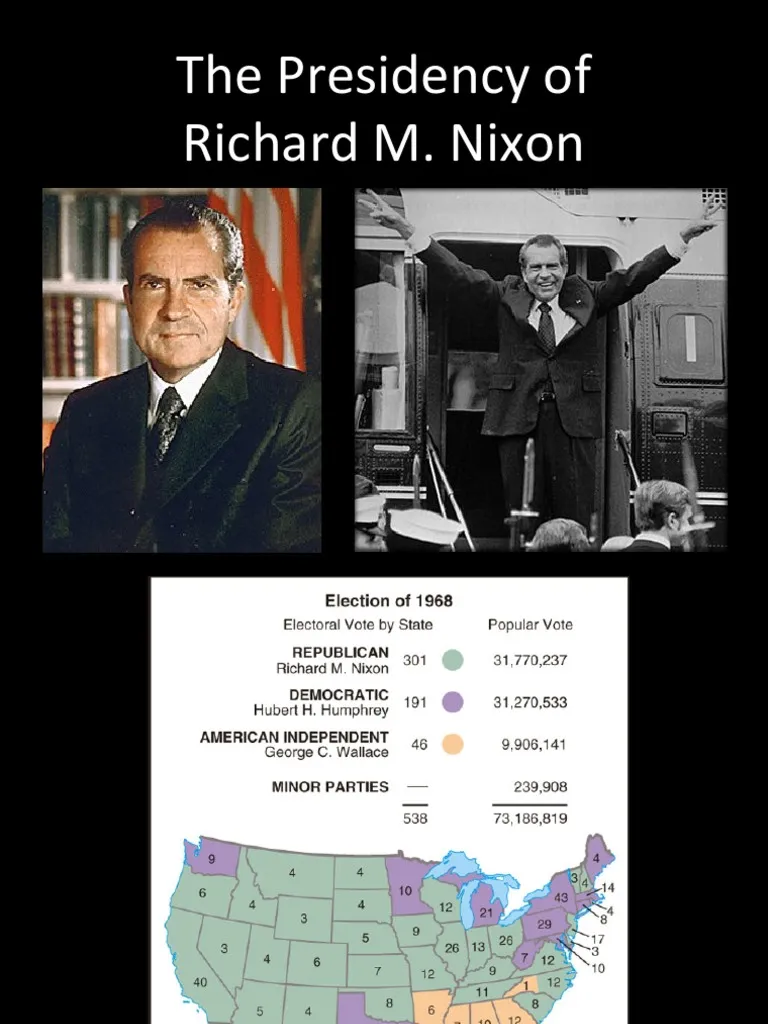 Photo: Richard Nixon, via imgv2-1-f.scribdassets.com
Nixon's trajectory from historic triumph to unprecedented defeat illustrates a pattern that spans American electoral history: the biggest wins consistently predict the most turbulent presidencies. This counterintuitive relationship suggests something fundamental about how electoral mandates actually function in American democracy.
The Psychology of Overwhelming Victory
Landslide victories create a dangerous psychological dynamic for winners and their teams. When voters deliver overwhelming margins, presidents and their advisors interpret the results as blanket endorsement of their entire agenda rather than what they typically represent: temporary coalitions united more by opposition to the alternative than enthusiasm for the winner.
Warren Harding's 1920 victory exemplifies this misinterpretation. His sixteen-percentage-point margin over James Cox seemed to validate his promise of a "return to normalcy" after the tumultuous Wilson years. Harding and his team read the landslide as permission to govern without significant opposition, leading to the corruption and scandal that would define his abbreviated presidency. The voters who delivered his landslide had been rejecting Wilson's progressive activism, not necessarily embracing Harding's particular vision of conservative governance.
The Overreach Imperative
Landslide winners face unique pressures that narrow victors avoid. Close elections force presidents to govern cautiously, building coalitions and compromising with opposition forces that retain significant influence. Overwhelming victories eliminate these natural constraints, creating an imperative for ambitious action that often exceeds what the electoral coalition actually supports.
Lyndon Johnson's 1964 landslide over Barry Goldwater perfectly illustrates this dynamic. Johnson's sixteen-percentage-point victory and the accompanying Democratic congressional gains seemed to provide unlimited political capital for expanding the Great Society. Johnson interpreted his mandate as permission to simultaneously fight a war on poverty and a war in Vietnam, confident that his electoral coalition would support both endeavors.
The reality proved more complex. Johnson's landslide had been built primarily on voters' rejection of Goldwater's perceived extremism rather than enthusiasm for Johnson's expansive domestic agenda or escalating military involvement in Southeast Asia. When the costs of both wars became apparent, the coalition that had delivered the landslide evaporated with stunning speed.
The Certainty Premium
American voters do not reward competence with landslides—they reward the appearance of certainty. This distinction explains why the most overwhelming electoral victories often go to candidates who project confidence rather than demonstrate nuanced understanding of complex policy challenges.
Ronald Reagan's 1984 landslide exemplifies the certainty premium in action. Reagan's forty-nine-state victory over Walter Mondale reflected voters' appreciation for his projected confidence and optimism rather than detailed policy analysis of his first-term record. Reagan had mastered the art of appearing certain about uncertain situations, a skill that proved invaluable for electoral politics but created governance challenges when reality failed to match the certainty he had projected.
 Photo: Ronald Reagan, via www.worldatlas.com
The landslide victory reinforced Reagan's instincts toward bold action and simplified messaging, contributing to second-term overreach on issues like Iran-Contra that ultimately damaged his historical legacy. The same certainty that delivered overwhelming electoral victory became a liability when applied to complex international situations that required nuanced responses.
The Coalition Contradiction
Landslide victories require assembling temporary coalitions that extend far beyond a candidate's core supporters. These expanded coalitions are inherently unstable because they include voters whose primary motivation is opposition to the alternative rather than enthusiasm for the winner's agenda.
Franklin Roosevelt's 1936 landslide illustrates both the power and fragility of these expanded coalitions. His forty-six-state victory over Alf Landon seemed to validate the New Deal's expansion of federal authority and social programs. Roosevelt interpreted the results as permission to pursue even more ambitious reforms, including his ill-fated court-packing plan.
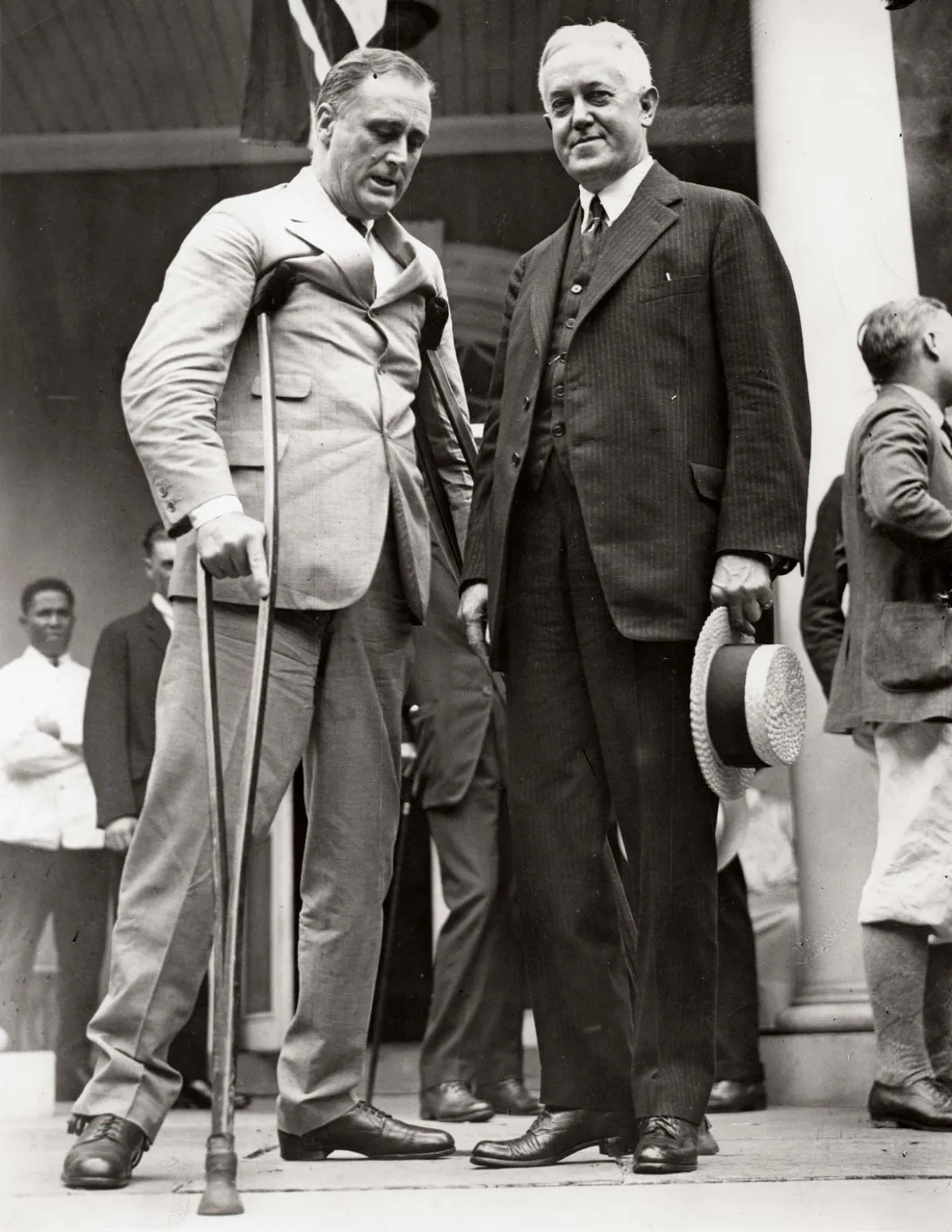 Photo: Franklin Roosevelt, via cdn.britannica.com
The court-packing controversy revealed the limitations of Roosevelt's electoral coalition. Many voters who had supported him in 1936 did so because they appreciated specific New Deal programs, not because they endorsed unlimited expansion of presidential power. When Roosevelt overreached, his coalition fragmented, leading to significant Democratic losses in the 1938 midterm elections and effectively ending the New Deal's expansion.
The Expectation Trap
Landslide victories create impossibly high expectations for presidential performance. Narrow winners can claim success through incremental progress and modest achievements. Overwhelming winners face pressure to deliver transformational change that justifies their historic mandate.
This expectation trap explains why landslide winners so often disappoint their supporters and provide ammunition for their critics. The same electoral margin that seemed to promise unlimited political capital becomes a burden when presidents must deliver results that match their victory's historic proportions.
The Historical Lesson
The pattern across American electoral history suggests that overwhelming victories are symptoms of temporary political conditions rather than indicators of sustainable governing coalitions. Landslides typically occur when one party's message resonates perfectly with momentary public concerns, but those same conditions rarely persist long enough to support the ambitious governance that landslide winners typically attempt.
Voters who deliver landslide victories are not necessarily endorsing radical change—they are often expressing temporary satisfaction with apparent certainty in uncertain times. When that certainty proves illusory or when circumstances change, the coalitions that created landslides dissolve with remarkable speed.
The Paradox Persists
Future landslide winners will likely repeat the same mistakes as their predecessors because the psychological and political dynamics that create overwhelming victories have not changed. The candidates capable of assembling landslide coalitions are typically those who project certainty and promise transformational change—exactly the qualities that lead to overreach once in office.
Until American political culture learns to distinguish between electoral mandates and governing coalitions, landslide victories will continue to predict chaotic presidencies rather than successful ones. The mandate trap remains one of American democracy's most persistent and counterintuitive patterns.