When Defeat Becomes Victory: The Historical Power of Presidents Who Lost Their Jobs
The Midnight Hour of Maximum Authority
On March 2, 1801, just two days before Thomas Jefferson's inauguration, President John Adams spent his final evening in office signing commissions for forty-two new federal judges. These "midnight judges" would plague Jefferson's administration for years, cementing Federalist control over the judiciary long after the party had lost both the presidency and Congress. Adams had discovered something that would echo through American history: electoral defeat does not diminish presidential power—it merely removes the political incentives that normally constrain it.
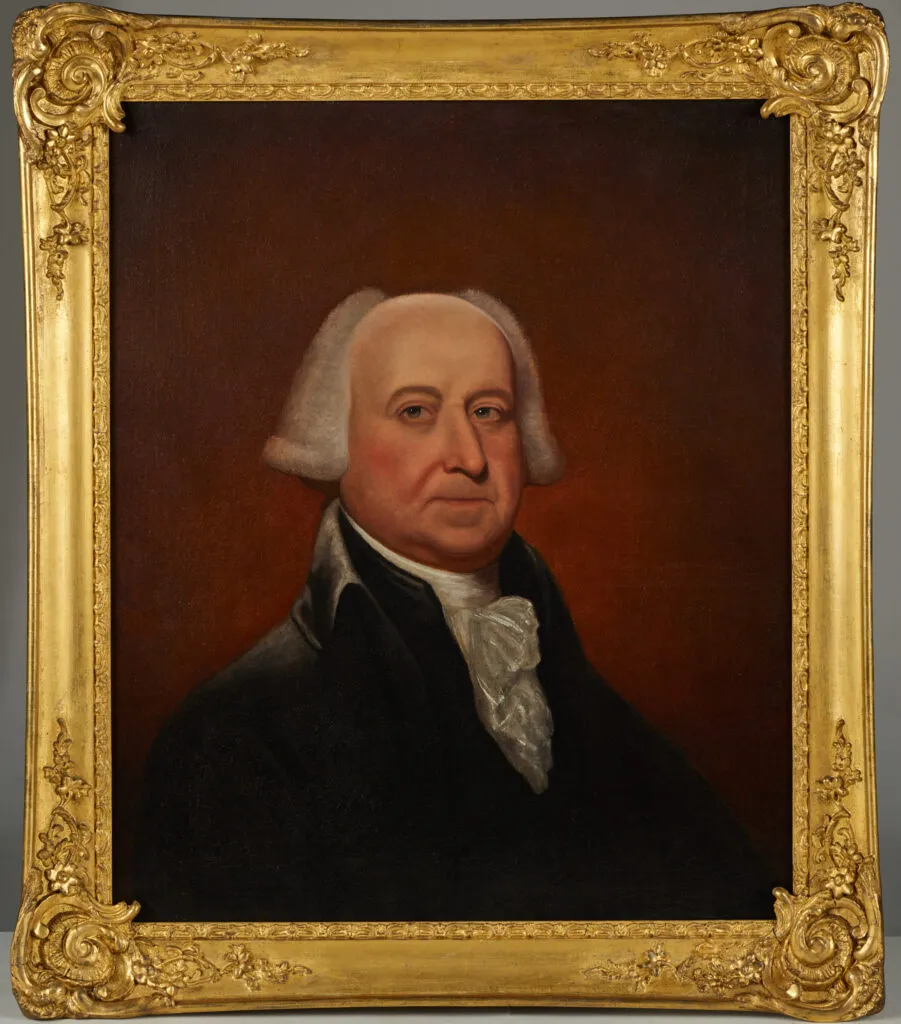 Photo: John Adams, via www.kellykinzleantiques.com
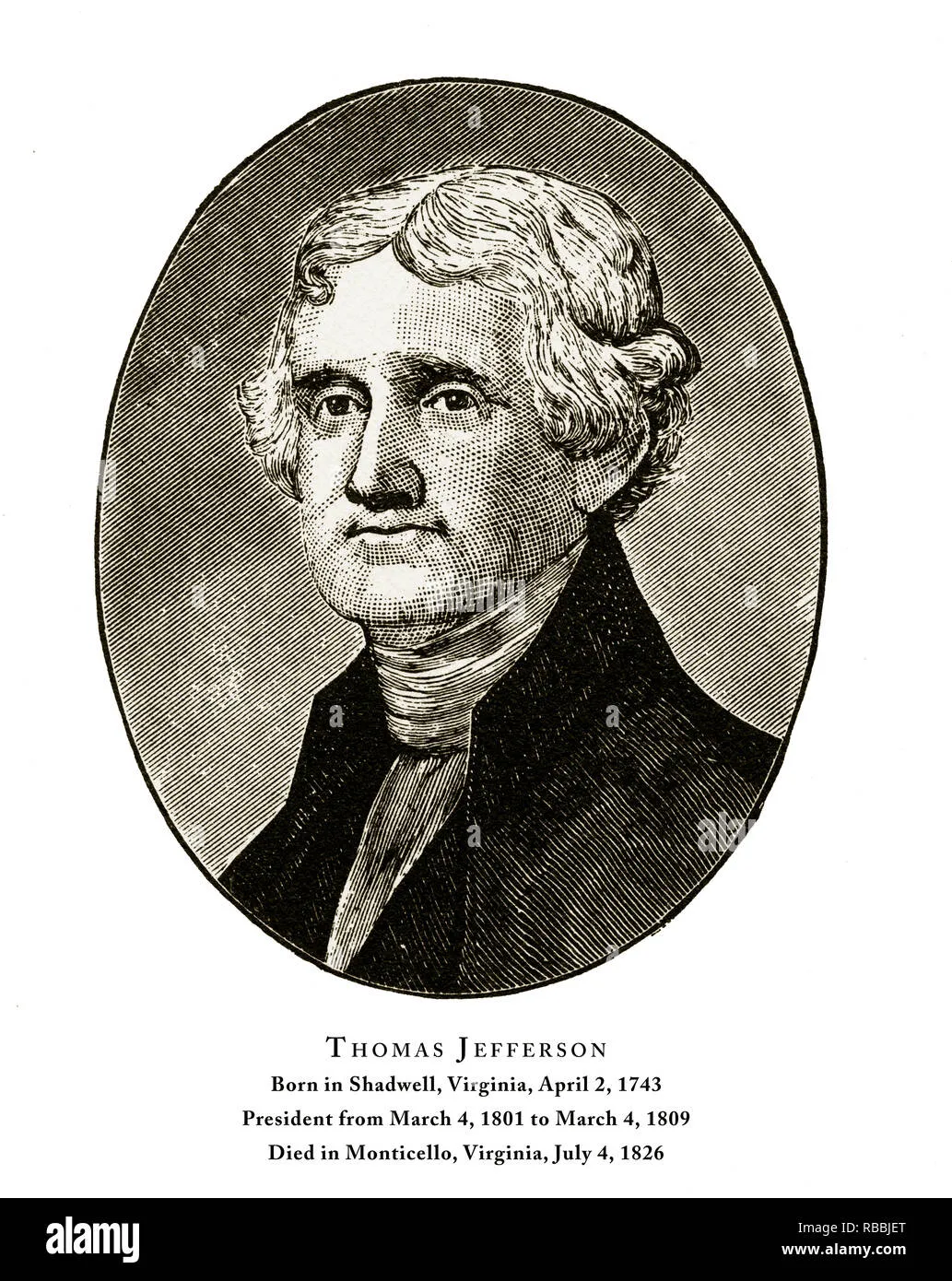 Photo: Thomas Jefferson, via c8.alamy.com
The pattern Adams established has repeated with unsettling consistency across two centuries. Presidents who lose reelection bids consistently govern their final months as if the voters never spoke, wielding the full authority of their office to cement policies, reshape institutions, and launch initiatives that their successors will inherit whether they like it or not. The "lame duck" metaphor that dominates political commentary fundamentally misunderstands the nature of presidential power in defeat.
The Psychology of Rejected Authority
Human psychology has not changed since the Roman Republic faced similar dilemmas with proconsuls who refused to acknowledge their recall. The defeated leader experiences a peculiar liberation: freed from the need to build coalitions for future elections, constrained only by the calendar and the Constitution's explicit prohibitions, they discover that losing a job is very different from losing the power that comes with it.
Consider Benjamin Harrison's final months in 1893. Despite losing decisively to Grover Cleveland, Harrison used his remaining time to establish forest reserves totaling thirteen million acres—more than any president before him. He signed legislation creating the first national forest system and appointed commissioners who would shape federal land policy for decades. Cleveland inherited a dramatically transformed landscape, quite literally, because Harrison treated electoral defeat as a mandate for unilateral action rather than graceful retreat.
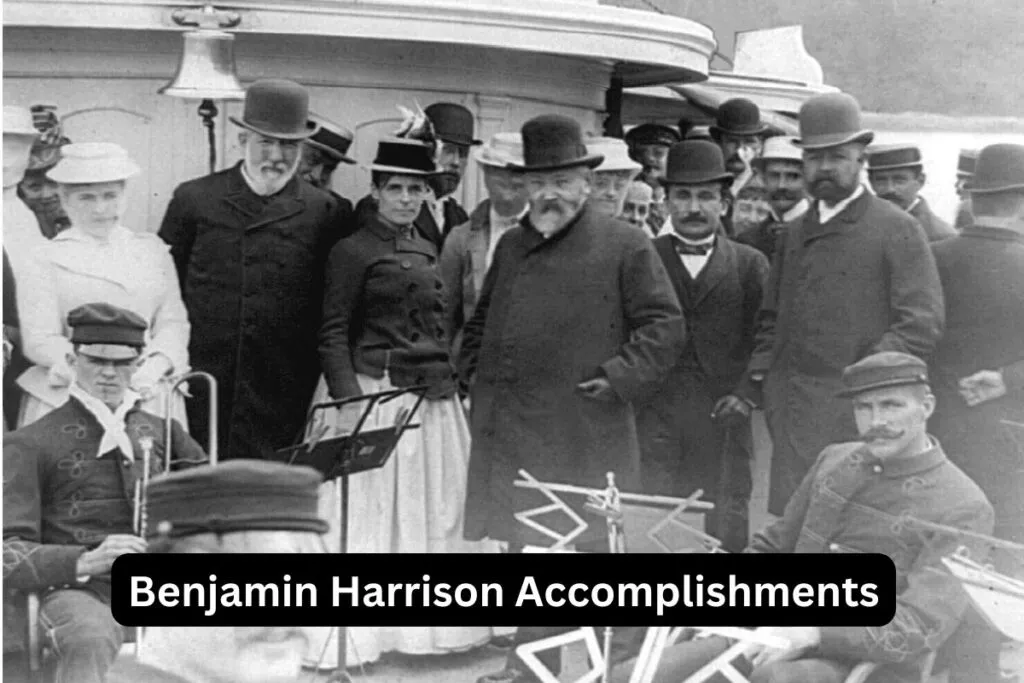 Photo: Benjamin Harrison, via www.havefunwithhistory.com
The Modern Amplification
The twentieth century exponentially increased the stakes of this historical pattern. Harry Truman, after choosing not to seek reelection in 1952, spent his final months expanding Social Security, increasing the minimum wage, and establishing the National Security Agency. Lyndon Johnson, effectively driven from office by Vietnam, used his lame duck period to sign the Fair Housing Act and push through the final Great Society programs that Richard Nixon would spend years trying to dismantle.
The contemporary presidency has made this dynamic even more pronounced. Modern presidents command vast regulatory apparatus, control thousands of appointments, and wield executive authorities that the founders never envisioned. When electoral defeat removes the political calculation from these powers, the results can reshape American governance in ways that dwarf the original election's significance.
The Institutional Blindness
American political culture consistently fails to anticipate this pattern, despite its historical regularity. Voters celebrate the rejection of an incumbent as if the election itself resolves the policy disputes that drove their decision. Opposition parties plan for transition as if defeated presidents will spend their remaining months in quiet reflection rather than aggressive action.
This blindness stems from a fundamental misunderstanding of how power operates in democratic systems. The presidency is not a job that can be taken away gradually—it exists in full until the moment it disappears entirely. A president who loses reelection on November 4th wields identical authority on November 5th, but with dramatically different incentives for how to use it.
The Constitutional Trap
The founders designed the transition period to ensure continuity of government, but they wrote the Constitution in an era when presidential power was far more limited and the federal government's reach was minimal. They could not have anticipated how their seventy-seven-day transition period would interact with the modern administrative state.
Every expansion of presidential authority over the past century has simultaneously expanded the potential for lame duck mischief. The president who can launch military operations, reshape entire industries through regulation, and control the federal bureaucracy does not lose these powers simply because voters have chosen someone else to wield them next year.
The Permanent Campaign's Revenge
The rise of permanent campaigning was supposed to solve this problem by making presidents constantly accountable to electoral pressure. Instead, it has made the lame duck period even more dangerous. Presidents who spend four years calculating every decision's political impact often experience their post-defeat months as a form of liberation, finally free to govern according to conviction rather than polling.
This liberation consistently produces overreach. Presidents use their final months to implement the policies they avoided during their reelection campaign, sign the controversial legislation they had been postponing, and make the appointments they knew would generate opposition research for their opponents.
The Lesson History Keeps Teaching
The pattern is clear across centuries: electoral defeat does not diminish presidential power, it redirects it. Voters who celebrate the rejection of an incumbent should prepare for the possibility that the president's most consequential months lie ahead, not behind. The lame duck who wouldn't quack has become one of American democracy's most predictable and dangerous traditions.
Until Americans acknowledge that losing an election changes nothing about having power—only about the incentives for using it—they will continue to be surprised by defeated presidents who govern as if the verdict never came in.