The Power of Powerlessness: How America's Transition Periods Became Democracy's Blind Spot

The Constitutional Twilight Zone
Every four years, American democracy enters a strange liminal space where accountability dissolves and consequences multiply. The transition period between Election Day and Inauguration Day creates a unique form of political authority: power without responsibility, influence without oversight, and decision-making without electoral consequence. History suggests that human nature abhors this vacuum, and ambitious leaders have consistently filled it with their most audacious moves.
The framers never anticipated this problem because they never imagined the modern presidency. In 1789, George Washington took office on April 30, nearly eight months after his election by the Electoral College. The leisurely pace reflected a simpler reality: the federal government barely existed, and presidential transitions required little more than moving personal belongings. Two centuries later, the machinery of state had grown exponentially while the constitutional framework remained frozen in amber.
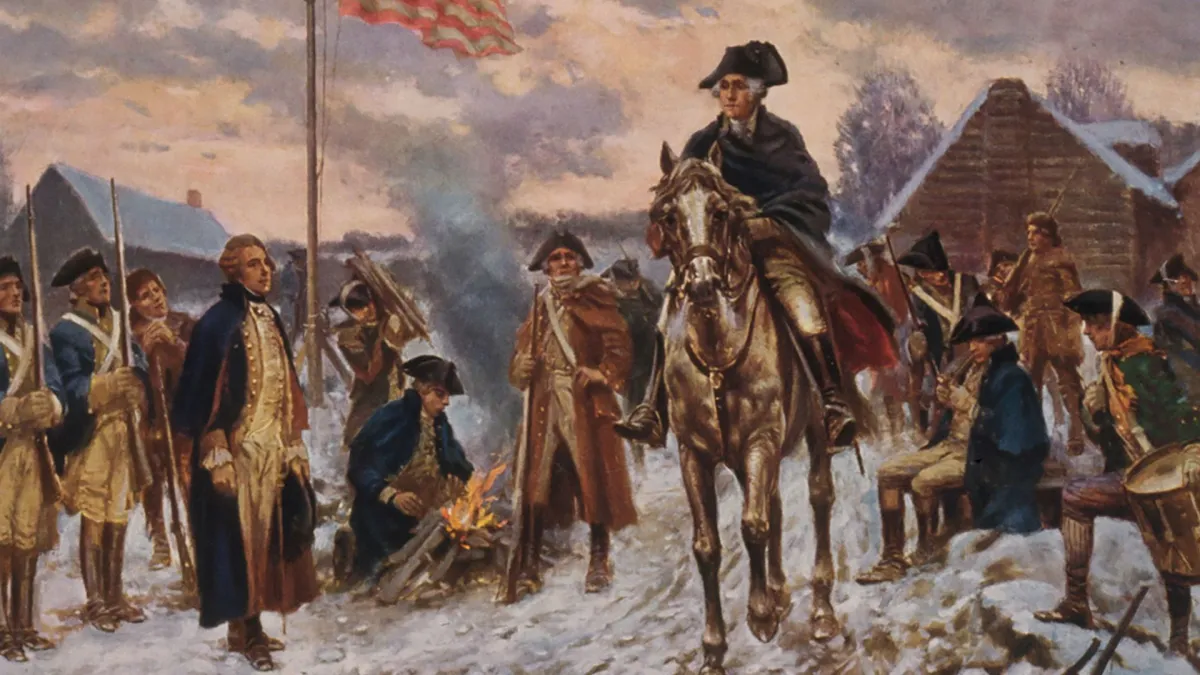 Photo: George Washington, via cdn.britannica.com
The Precedent of Paralysis
James Buchanan established the template for transition-period dysfunction during the secession crisis of 1860-61. Between Lincoln's election in November and his inauguration the following March, seven states left the Union while Buchanan proclaimed himself constitutionally powerless to stop them. His attorney general had convinced him that states could not legally secede, but that the federal government lacked authority to prevent secession by force. This legalistic paralysis allowed the Confederacy to organize, seize federal property, and prepare for war while the legitimate government watched helplessly.
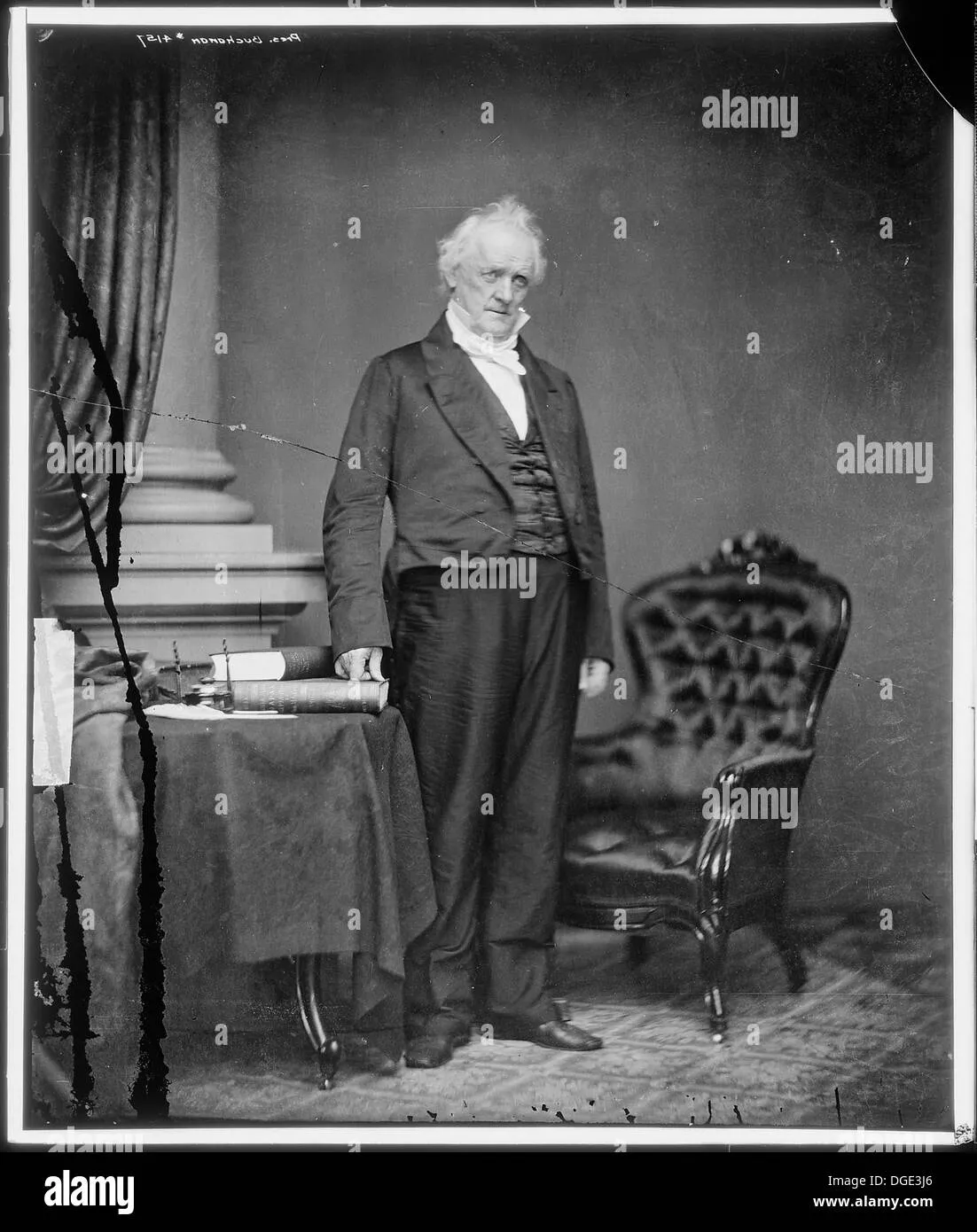 Photo: James Buchanan, via c8.alamy.com
Buchanan's inaction was not mere incompetence—it reflected the deeper structural problem of transition authority. A defeated president lacks the political capital to make controversial decisions, while his successor cannot yet exercise constitutional power. The four-month gap created a leadership vacuum at the moment when decisive action might have prevented civil war.
The Banking Crisis Laboratory
The Great Depression provided an even more dramatic illustration of transition-period dangers. Herbert Hoover lost the 1932 election in November, but Franklin Roosevelt would not take office until March 1933. During those four months, the banking system collapsed while the two men engaged in a constitutional standoff that nearly destroyed American capitalism.
 Photo: Franklin Roosevelt, via images.deepai.org
Hoover desperately wanted Roosevelt to publicly endorse his policies, believing that confidence from the president-elect could stabilize the markets. Roosevelt refused, calculating that any association with Hoover's failures would contaminate his own presidency before it began. The result was paralysis: Hoover lacked the credibility to act effectively, while Roosevelt lacked the authority to act at all.
State after state declared banking holidays as depositors rushed to withdraw their savings. By Inauguration Day, the entire financial system had essentially ceased to function. Roosevelt's first act as president was to declare a national bank holiday—a policy Hoover could have implemented months earlier if he had possessed the political standing to do so.
The Modern Machinery of Mischief
The Twentieth Amendment, ratified in 1933, shortened the transition period from four months to two, but it did not eliminate the fundamental problem. If anything, the compressed timeline has intensified the pressure on outgoing presidents to act quickly while they still can.
Richard Nixon's final months in office demonstrated how a cornered president might use his remaining authority. Facing certain impeachment, Nixon continued to make consequential foreign policy decisions, including escalating bombing in Cambodia and maintaining diplomatic initiatives with China and the Soviet Union. His successors inherited policies they had no role in creating but could not easily abandon.
More recently, the 2008 financial crisis occurred during another presidential transition, forcing George W. Bush to coordinate emergency responses with Barack Obama's team. The collaboration worked reasonably well, but it highlighted the inherent awkwardness of governing during handover periods.
The Accountability Gap
The transition period creates a unique form of moral hazard in American politics. Outgoing presidents can make decisions with long-term consequences while bearing minimal political cost for their choices. Incoming presidents inherit the results but cannot influence the process. Voters who selected the new leadership must live with choices made by leaders they have already rejected.
This accountability gap explains why transition periods have consistently produced some of the most controversial presidential decisions in American history. From Andrew Jackson's removal of federal deposits during his final year to Donald Trump's flurry of pardons and policy changes after the 2020 election, lame duck periods have become laboratories for testing the limits of presidential power.
The Persistence of Human Nature
The pattern persists because the underlying psychological incentives remain unchanged. Defeated leaders face the natural human desire to secure their legacy and settle scores before departing. Incoming leaders want to avoid inheriting problems they cannot solve or policies they cannot defend. The constitutional framework provides no mechanism for resolving these competing interests.
History offers no easy solutions because the problem reflects deeper tensions within democratic governance itself. The peaceful transfer of power requires some period of transition, but any transition period creates opportunities for mischief. The framers designed a system of checks and balances for normal times, but they provided no guidance for the abnormal period when power itself is in transition.
The lame duck paradox will persist as long as human ambition exceeds constitutional wisdom—which is to say, indefinitely.