The Violence That Validates: How American Unrest Has Consistently Strengthened the System It Appears to Challenge
The Paradox of Productive Chaos
Political violence presents itself as the ultimate challenge to established authority, but American history tells a more complex story. The spectacle of disorder has consistently strengthened rather than weakened the very institutions it appears to threaten. This paradox reflects a deeper truth about human psychology: when confronted with chaos, most people will choose order, even imperfect order, over continued uncertainty.
The pattern emerges clearly when examined across decades rather than days. Moments of civil unrest that feel existentially threatening to incumbent leaders often prove to be their political salvation, while the movements that produce the violence typically find themselves marginalized and discredited. The riot serves not as a weapon of revolution but as an advertisement for the value of stability.
The Laboratory of 1968
The year 1968 provides the clearest illustration of this dynamic. Urban riots, antiwar protests, and the chaos at the Democratic National Convention in Chicago created an atmosphere of national crisis that should have doomed the party in power. Instead, it elected Richard Nixon on a platform of law and order, despite his association with the unpopular war in Vietnam.
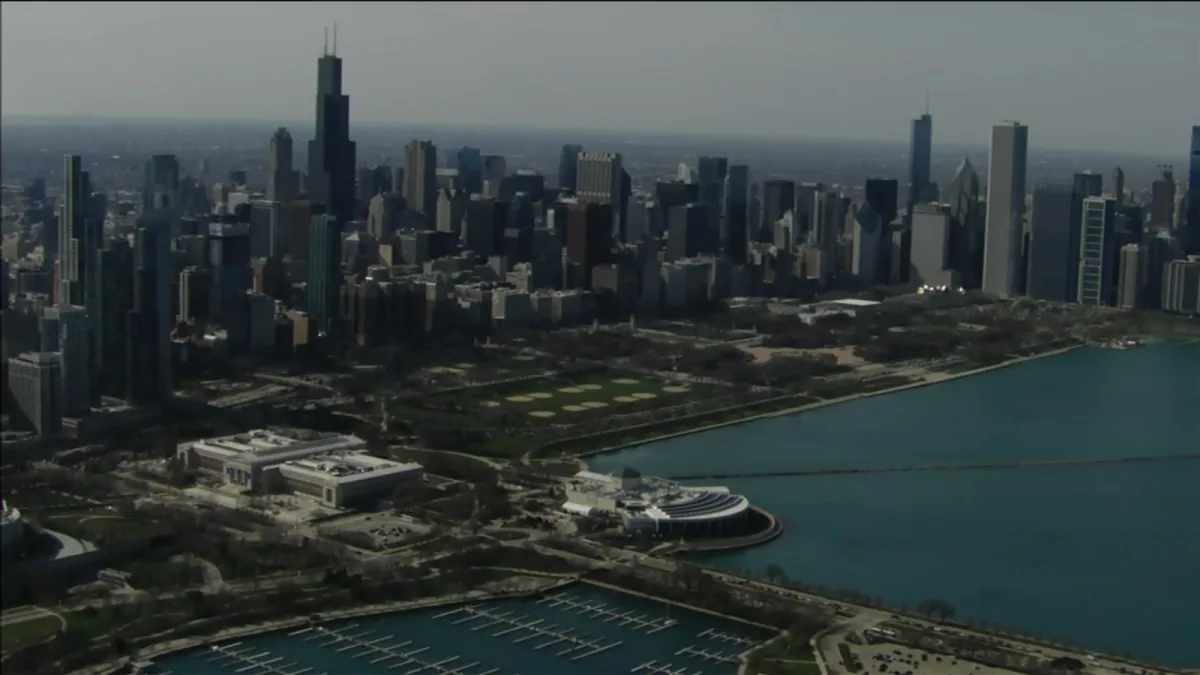 Photo: Democratic National Convention in Chicago, via cdn.abcotvs.com
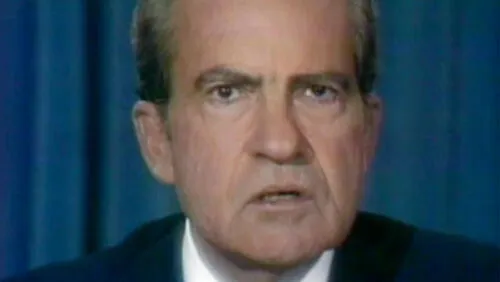 Photo: Richard Nixon, via cropper.watch.aetnd.com
The riots following Martin Luther King Jr.'s assassination were particularly devastating to the civil rights movement's political prospects. The violence occurred in dozens of cities simultaneously, creating the impression of coordinated insurrection rather than spontaneous grief. Television coverage emphasized burning buildings and looting rather than the underlying causes of urban frustration, transforming a moment of national mourning into a symbol of social breakdown.
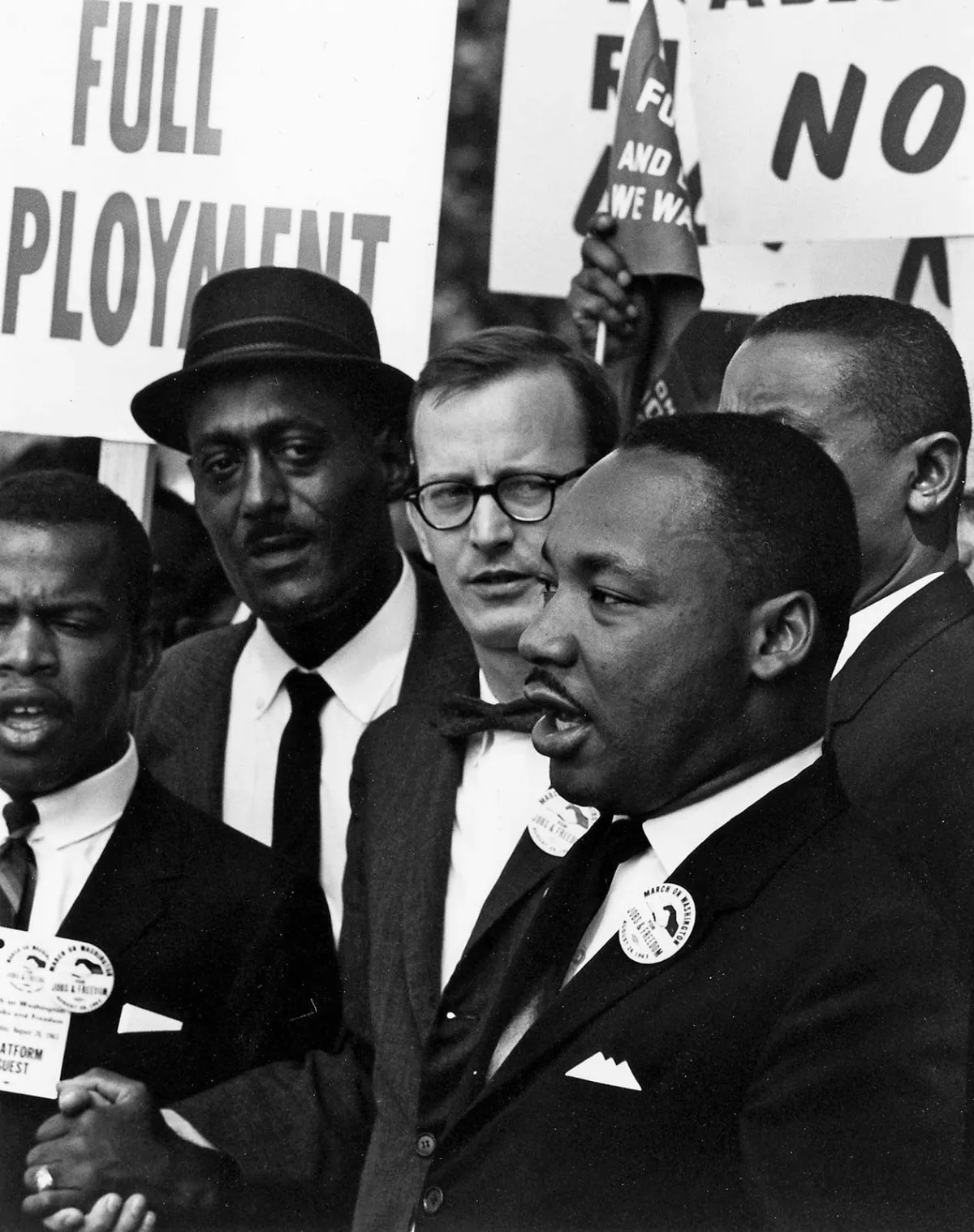 Photo: Martin Luther King Jr., via cdn.britannica.com
Nixon understood immediately how to exploit this imagery. His campaign advertisements did not need to mention race explicitly—they simply juxtaposed scenes of urban chaos with promises of restored order. The message was clear: vote for stability or accept continued violence. The strategy worked because it appealed to the fundamental human desire for predictability, even among voters who sympathized with civil rights goals.
The Union Movement's Self-Inflicted Wounds
The history of American labor organizing reveals the same pattern. The most violent episodes in labor history consistently strengthened business interests and weakened worker movements, even when the violence was initiated by corporate security forces rather than union organizers.
The Pullman Strike of 1894 demonstrated how quickly public sympathy could shift. The strike began with broad support as workers protested wage cuts during an economic depression. But when the conflict escalated to include property destruction and clashes with federal troops, public opinion turned decisively against the strikers. The violence allowed business leaders and politicians to reframe a labor dispute as a threat to social order, justifying harsh government intervention that broke the strike and imprisoned its leaders.
Similarly, the sit-down strikes of the 1930s succeeded precisely because they avoided violence. Workers occupied factories but maintained discipline and order, making it difficult for opponents to characterize them as dangerous radicals. The moment labor movements turned to confrontational tactics, they lost the moral authority that made their economic arguments persuasive.
The Television Effect
The advent of television news amplified this dynamic by changing how Americans experienced political violence. Before electronic media, most people learned about riots and protests through newspaper accounts written hours or days after events occurred. Television brought the chaos into living rooms in real time, creating a sense of immediate threat that newspaper coverage could not match.
The 1965 Watts riots marked a turning point in this regard. For the first time, Americans could watch urban violence unfold on their television screens, seeing the flames and hearing the sirens as if they were present at the scene. The visceral impact of these images overwhelmed more analytical coverage that attempted to explain the underlying causes of urban frustration.
Television's visual grammar favored dramatic footage over complex explanations. Burning buildings made better television than discussions of housing discrimination. Confrontations between police and protesters were more compelling than policy debates about urban renewal. The medium's inherent bias toward spectacle ensured that the most extreme elements of any movement received disproportionate attention.
The Backlash Mechanism
The political effectiveness of the backlash against violence reflects deeper patterns in human psychology that have remained constant across centuries. When social order appears threatened, people instinctively seek protection from established authorities, even if those same authorities bear responsibility for the conditions that produced the unrest.
This psychological mechanism explains why incumbent politicians have learned to welcome rather than fear moments of civil disorder. A president or governor who appears calm and decisive during a crisis can transform political liability into electoral asset. The violence provides an opportunity to demonstrate leadership while simultaneously discrediting political opponents who might be associated with the disorder.
The key insight is that most Americans experience political violence as television viewers rather than participants. From this perspective, the violence appears to threaten their personal safety and social stability, regardless of its actual causes or legitimate grievances. Politicians who promise to restore order will always have an advantage over those who attempt to explain or justify the underlying frustrations that produced the chaos.
The Modern Manifestation
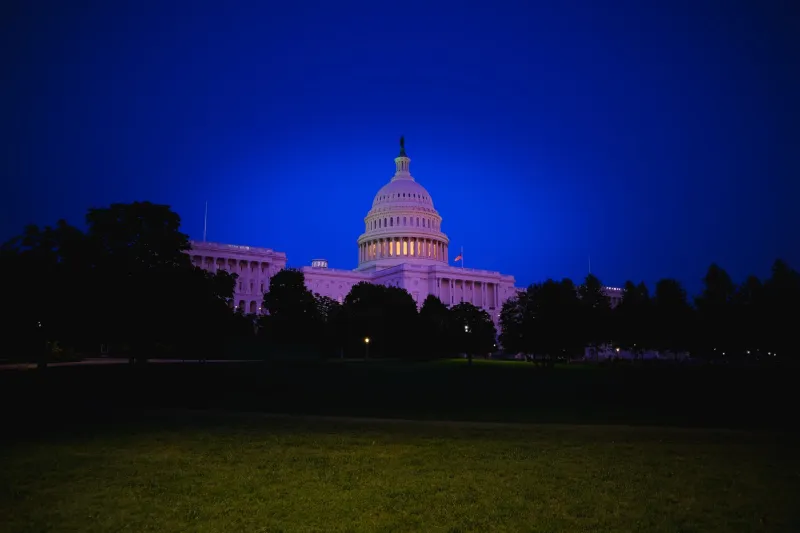
Contemporary American politics continues to follow this historical pattern. The January 6, 2021 attack on the Capitol initially appeared to threaten Republican political prospects, but the long-term effects may prove more complex. While the violence damaged some Republican leaders in the short term, it also provided the party with an opportunity to distance itself from its most extreme elements while maintaining the loyalty of voters who prioritize order over other considerations.
Similarly, the 2020 protests following George Floyd's death began with broad public support across racial and partisan lines. But as some demonstrations escalated to include property destruction and confrontations with police, that support eroded among moderate voters who became more concerned with immediate order than with long-term justice.
The Eternal Cycle
This pattern will persist because it reflects unchanging aspects of human nature rather than specific political circumstances. Most people value stability over justice when forced to choose between them, particularly when the instability appears to threaten their personal security. Politicians understand this preference and consistently exploit it, regardless of their party affiliation or ideological commitments.
The tragic irony is that political violence typically undermines the very causes it claims to advance. Movements that turn to confrontational tactics may achieve short-term attention, but they sacrifice the broad public support necessary for lasting change. The violence becomes the story, overshadowing whatever legitimate grievances motivated it in the first place.
American history suggests that sustainable political change requires patience, organization, and careful attention to public opinion rather than dramatic gestures that feel satisfying but prove counterproductive. The riot may capture headlines, but it is the reaction to the riot that determines political outcomes.