Before the Boxes Were Unpacked: How the Press Verdict on a Presidency Arrives Before the Furniture
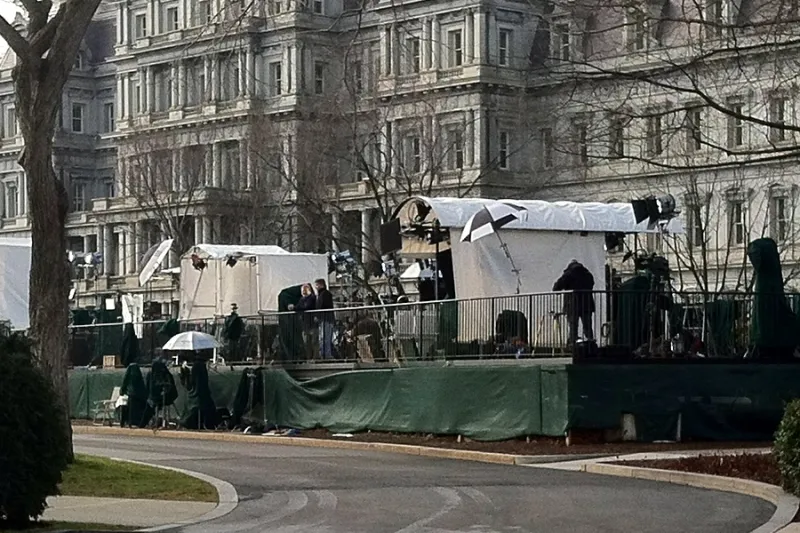
Photo: RadioFan (talk), CC BY-SA 3.0, via Wikimedia Commons
There is a ritual comfort to the phrase 'presidential honeymoon.' It implies a civilized pause — a collective agreement among the powerful to withhold judgment while a new administration finds its footing. Political scientists have written about it. Campaign veterans have counted on it. And incoming presidents, almost without exception, have believed in it with the confidence of men who have never actually read the coverage from the first two weeks of any administration that preceded their own.
The historical record does not share their confidence.
The Narrative Hardens in Days, Not Months
Woodrow Wilson entered the White House in March 1913 with a Democratic majority in both chambers and a reform mandate that seemed, to his supporters, nearly irresistible. The press greeted him warmly enough on inauguration day. Within eleven days, however, the New York Sun had already published a piece questioning whether Wilson's professorial temperament was suited to the practical demands of executive governance. The framing — cerebral but cold, visionary but inflexible — would persist for the entirety of his two terms. It did not develop gradually. It arrived almost fully formed.
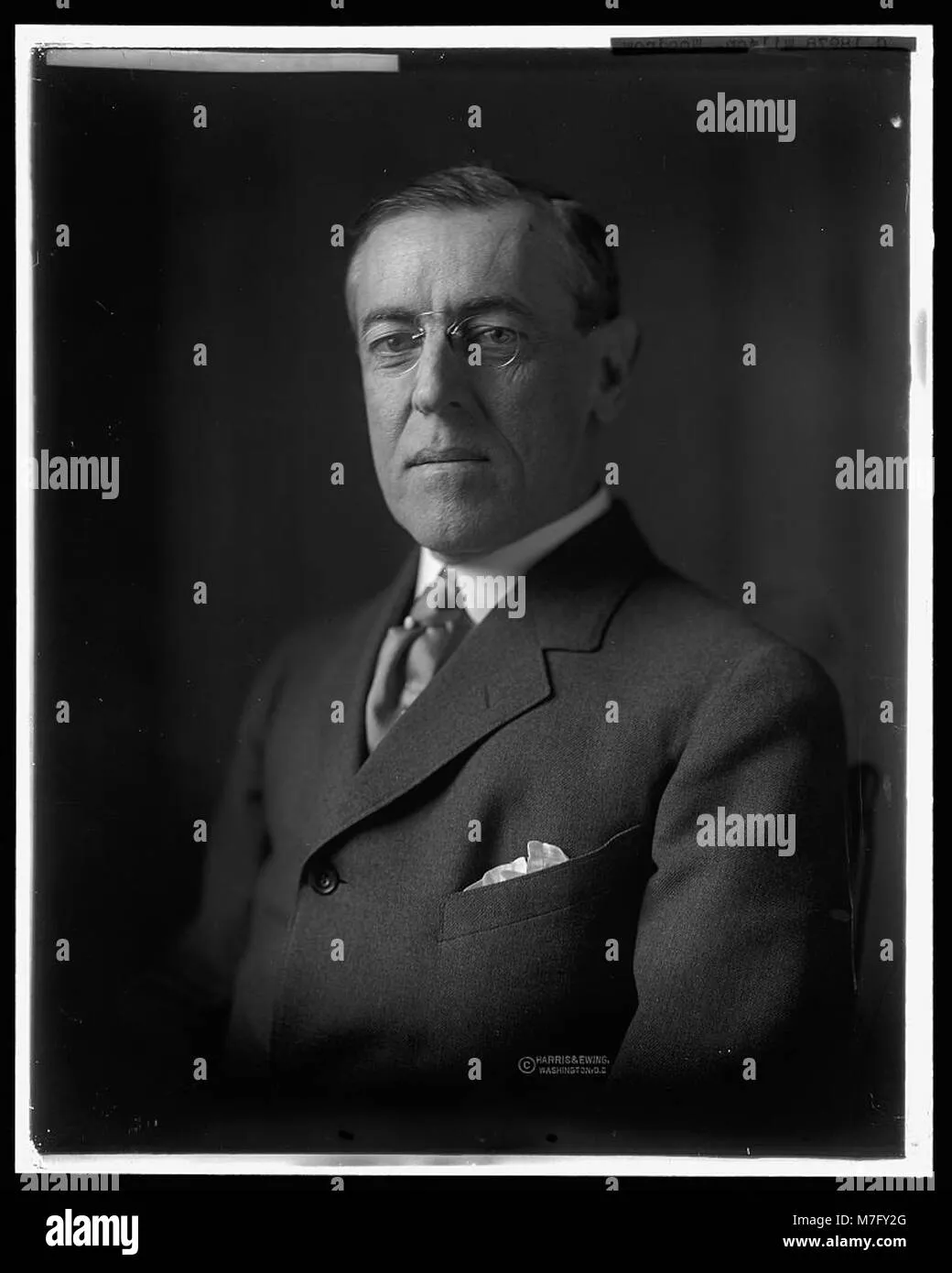 Photo: Woodrow Wilson, via c8.alamy.com
This is not an isolated case. It is a pattern so consistent across administrations that it demands explanation.
When Franklin Roosevelt took office in 1933, the famous 'hundred days' mythology obscures a more complicated early press dynamic. The major newspaper proprietors who had supported his election — many of them conservative businessmen who had decided Hoover was unsalvageable — began expressing reservations about the pace and scope of New Deal legislation within the first three weeks. The honeymoon, such as it was, had an expiration date measured in days. The legend of FDR's effortless early dominance was largely constructed in retrospect, by admirers who needed the story to be cleaner than it was.
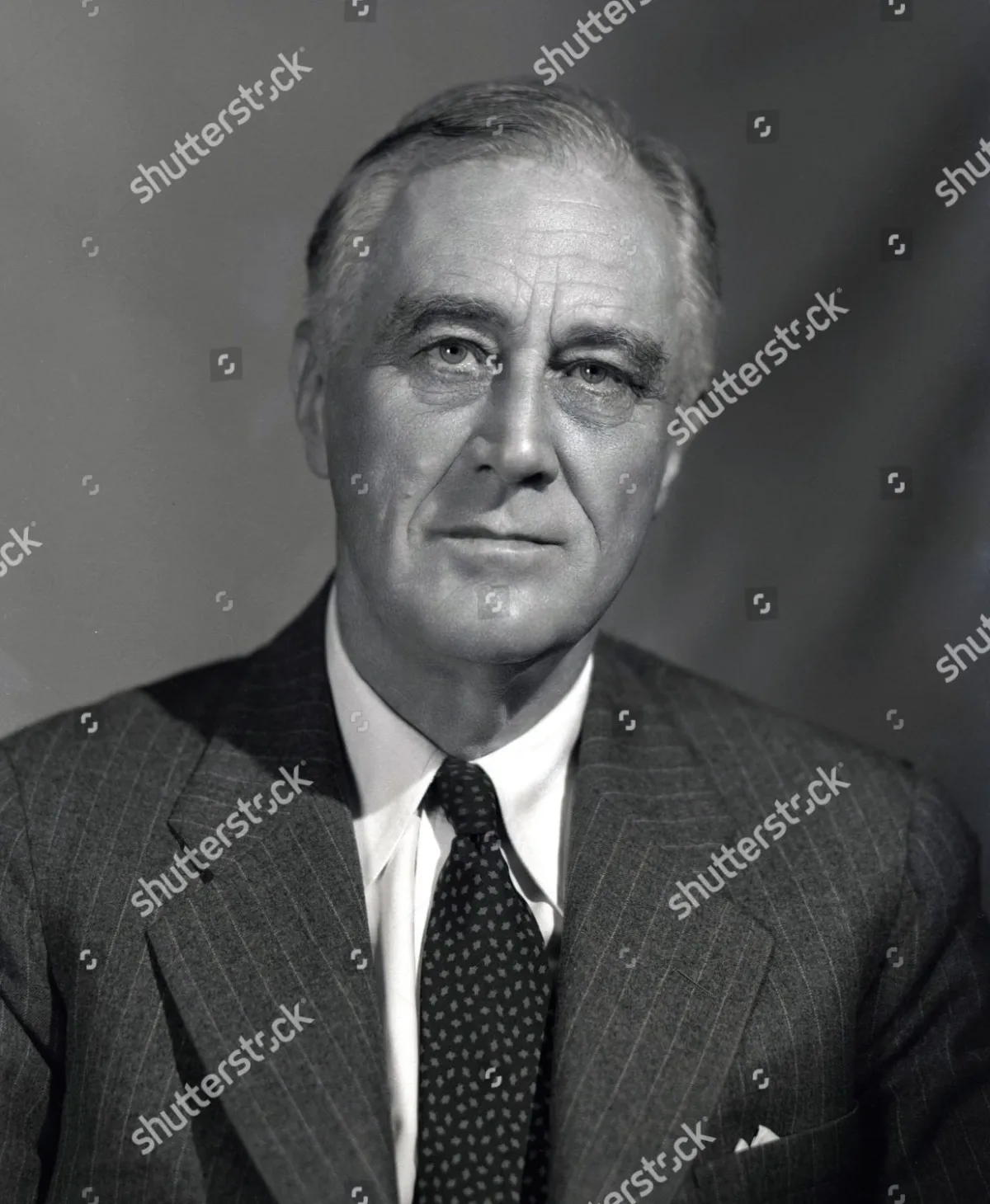 Photo: Franklin Roosevelt, via editorial01.shutterstock.com
What the Winners Said About Why They Lost It
The 'honeymoon' concept derives much of its durability from a particular source: the memoirs and post-mortems of defeated administrations. When a presidency struggles, its architects frequently reach for the honeymoon frame as an explanatory device. They argue that the grace period was squandered, that the opposition moved too quickly, that the press turned before the administration had a fair opportunity to establish itself. This is a psychologically understandable response to failure. It is also, historically speaking, largely a confabulation.
Human beings have always constructed coherent narratives around chaotic outcomes. The ancient Athenians blamed their catastrophic Sicilian expedition on the premature departure of Alcibiades rather than on the fundamental strategic miscalculation that preceded it. The instinct to locate a specific moment of deviation — a point at which things went wrong after having been right — is not a political instinct. It is a human one. The honeymoon myth is simply its contemporary American expression.
Jimmy Carter's team, reflecting on the administration's early difficulties, pointed repeatedly to a press corps that had turned hostile before the administration had time to govern. What the retrospective accounts consistently underweighted was that the narrative frame — Carter as a well-intentioned outsider unprepared for Washington's specific gravitational field — had been established by major political correspondents before the inauguration was complete. The coverage did not sour during a honeymoon. It arrived already carrying the seeds of the verdict it would eventually render.
The Press Corps Was Always Deciding
To understand why this happens, it is necessary to understand what the political press corps actually is and what it has always been doing. It is not, and has never been, a neutral observation platform. It is a community of professionals with acute social intelligence, deep institutional memory, and powerful incentives to be correct about the story they are telling. Correspondents who cover a new administration are not waiting to see what happens. They are testing a hypothesis they formed during the campaign, the transition, and the first cabinet appointments.
This is not a modern pathology. It is the natural behavior of any group of experienced observers who have watched multiple cycles of the same phenomenon. A political reporter who has covered three or four administrations carries an internalized model of how presidencies succeed and fail. The new president's early signals — who gets which office, which promises get quietly revised, how the new team treats career staff — are read against that model almost immediately. The verdict is not announced publicly in week one. But it is forming.
When the Eisenhower administration began in 1953, the press corps had spent twenty years covering Democratic governance. The adjustment was genuine and the coverage was broadly favorable early. But the underlying frame — Eisenhower as a popular but passive executive, a chairman of the board rather than a hands-on operator — was visible in the coverage within the first month and never substantially changed.
What the Long Game Actually Reveals
The deeper lesson here is not that the press is unfair, or that honeymoons should be longer, or that incoming presidents deserve more patience. The deeper lesson is that the press narrative about a presidency is not primarily a response to what a president does. It is a response to what a president appears to be — and that appearance is evaluated against a template that arrives fully assembled on inauguration day.
Presidents who understood this have occasionally managed it. Ronald Reagan's team was extraordinarily sophisticated about the symbolic grammar of early governance, ensuring that the images and gestures of the first weeks reinforced a coherent identity rather than a complicated one. They were not managing a honeymoon. They were managing a first impression, which is a meaningfully different and considerably more demanding task.
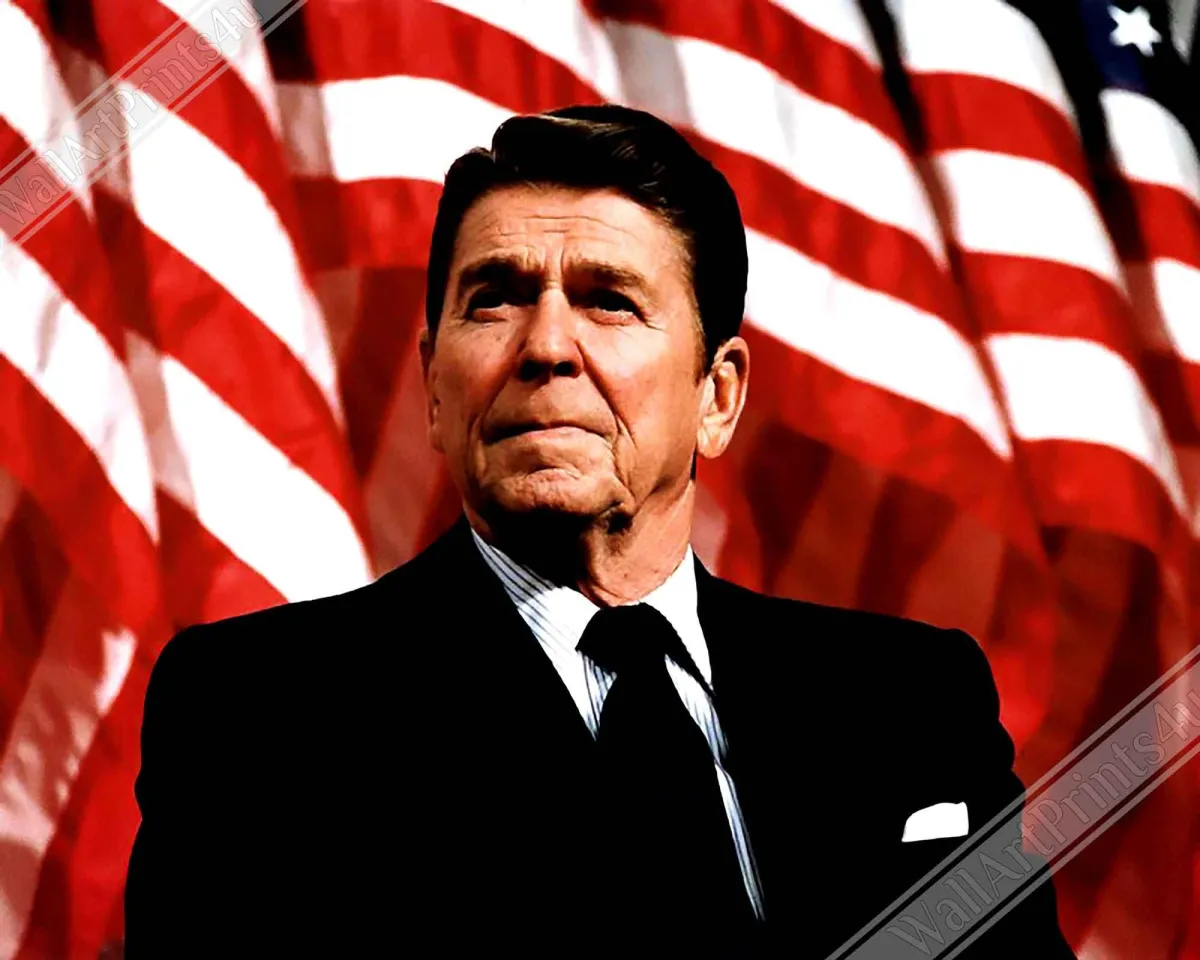 Photo: Ronald Reagan, via wallartprints4u.com
The administrations that struggled earliest were, almost uniformly, the ones that believed the honeymoon was real — that the grace period was a structural feature of the political environment rather than a narrative convenience that existed only in campaign folklore. They spent the first weeks governing as though the press was watching and waiting. The press was watching and deciding. The distinction matters enormously, and history has been trying to communicate it for over a century.
The boxes, in other words, were never going to be fully unpacked before the verdict came in. They never were.